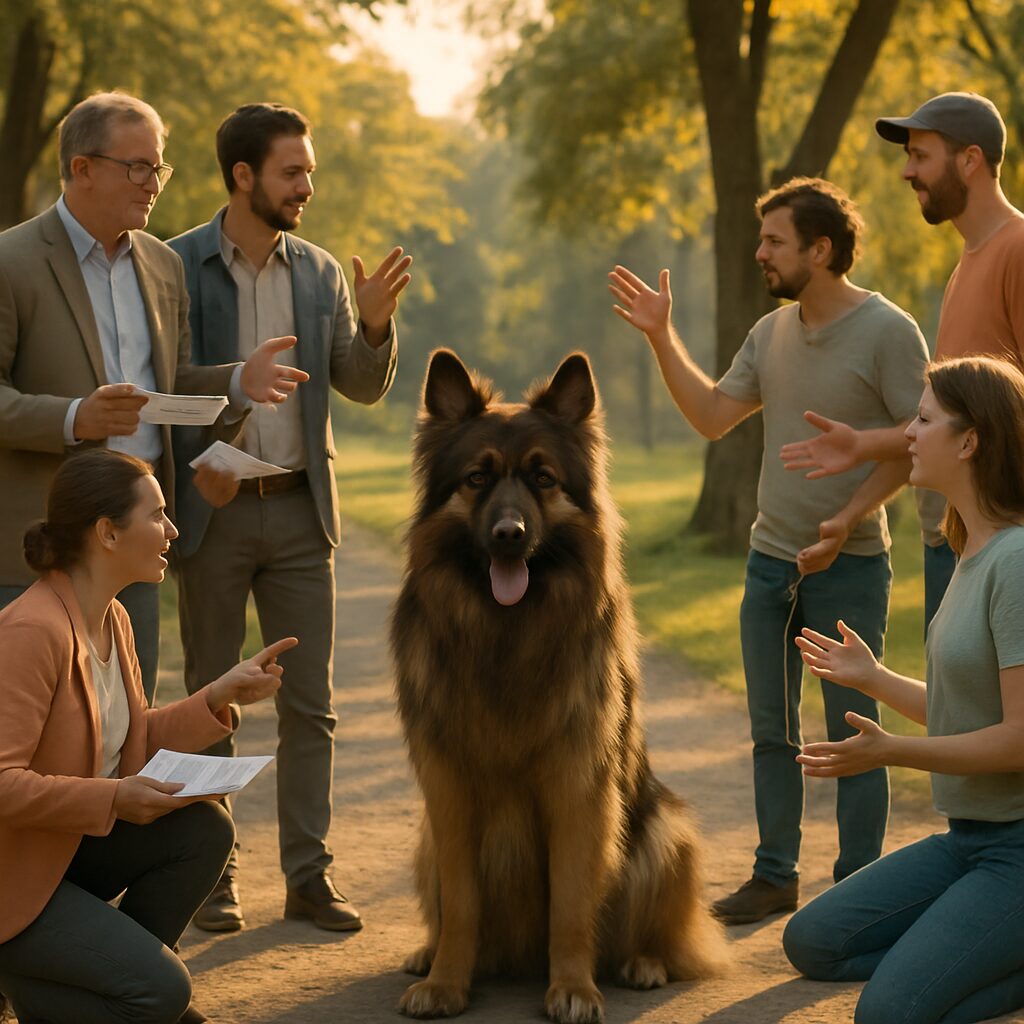
For several decades, the Altdeutscher Schäferhund has sparked as much enthusiasm as controversy. At first glance, it resembles the traditional German Shepherd, but behind its appearance lie bold breeding choices that are often questioned. Between enthusiasts eager to preserve an authentic lineage and defenders of canine welfare, the debate remains intense. This article explores the historical roots of the breed, the differing standards, and the ethical issues that animate the canine community.
In brief
🚀 Historical lineage: The Altdeutscher Schäferhund draws its roots from the first shepherd dogs of Germany, before any standardization, with an emphasis on work versatility and character.
🎯 Divergent standards: While some federations insist on appearance (backline, angulation), others prioritize temperament and health, creating a rift between breeders and judges.
⚖️ Ethical debate: Inbreeding, the use of genetic tests, and selection methods are subject to sharp criticism; the question of animal welfare remains at the heart of concerns.
Origins and characteristics of the Altdeutscher Schäferhund
Historical lineage and selection
At the dawn of the 20th century, the first German Shepherds were not conceived as show dogs, but rather as robust working companions for shepherds, police, or rescuers. The term “Altdeutscher Schäferhund” refers to those lineages prior to 1950, selected for their versatility rather than a standardized morphology. Passionate breeders have preserved certain lines closer to the dogs of yesteryear, refusing to adopt the overly pronounced back curves or extreme angulation imposed by modern judges. Thus, the Altdeutscher Schäferhund embodies a balance between agility, endurance, and protective character.
Physical traits and temperament
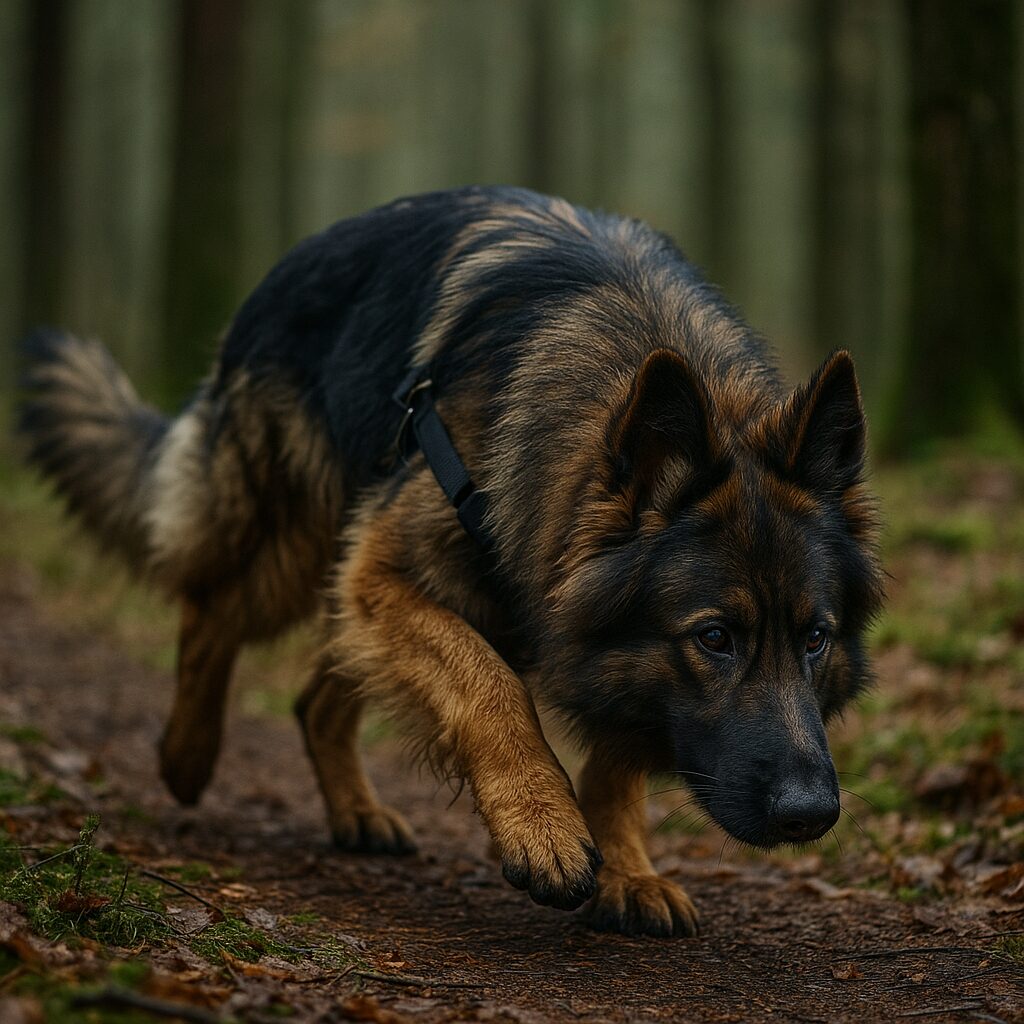
From an aesthetic point of view, the Altdeutscher Schäferhund displays the appearance of an athletic dog, without the hyper-flexibility – and sometimes fragility – of the most recent lines. The back remains rather straight, the chest moderately developed, and the tail carriage sober. Even more decisive is its character: lively, attentive, sometimes wary of strangers, but ready to collaborate with humans. This “work-leisure” balance makes it a privileged partner for canine activities (tracking, obedience, or agility).
Debates on breed standards
Aesthetic and functional criteria
German and international cynological clubs differ border to border. For some, harmony and balance will prevail, meaning a silhouette neither too angular nor too heavy. Others emphasize the spectacular aspect, both for shows and resale. Consequence: breed standard descriptions vary according to federations, creating a patchwork of definitions. Like a mismatched wardrobe, each breeder often faces contradictory requirements.
Constraints Related to Dog Shows
During competitions, the topline becomes an almost obsessive criterion. An excessively marked slope scores points, much to the dismay of purists who see it as a compromise of the bone structure in the long term. Presentation methods (pumping the coat, placing the dog on a special table) can mask the anatomical reality, fueling distrust. Some breeders end up shaping a “dog-object” to the detriment of health and natural temperament.
Ethical Issues and Animal Welfare
Consequences of Inbreeding
Maintaining a “pure” lineage can lead to an increase in the inbreeding coefficient. Financial and sometimes controversial DNA tests aim to limit genetic defects, but they do not eliminate all risks: hip dysplasia, heart problems, or neurological disorders may persist. In response, more and more breeders are adopting a more open approach, mixing lineages to reduce risks and improve overall robustness.
Alternatives and Good Breeding Practices
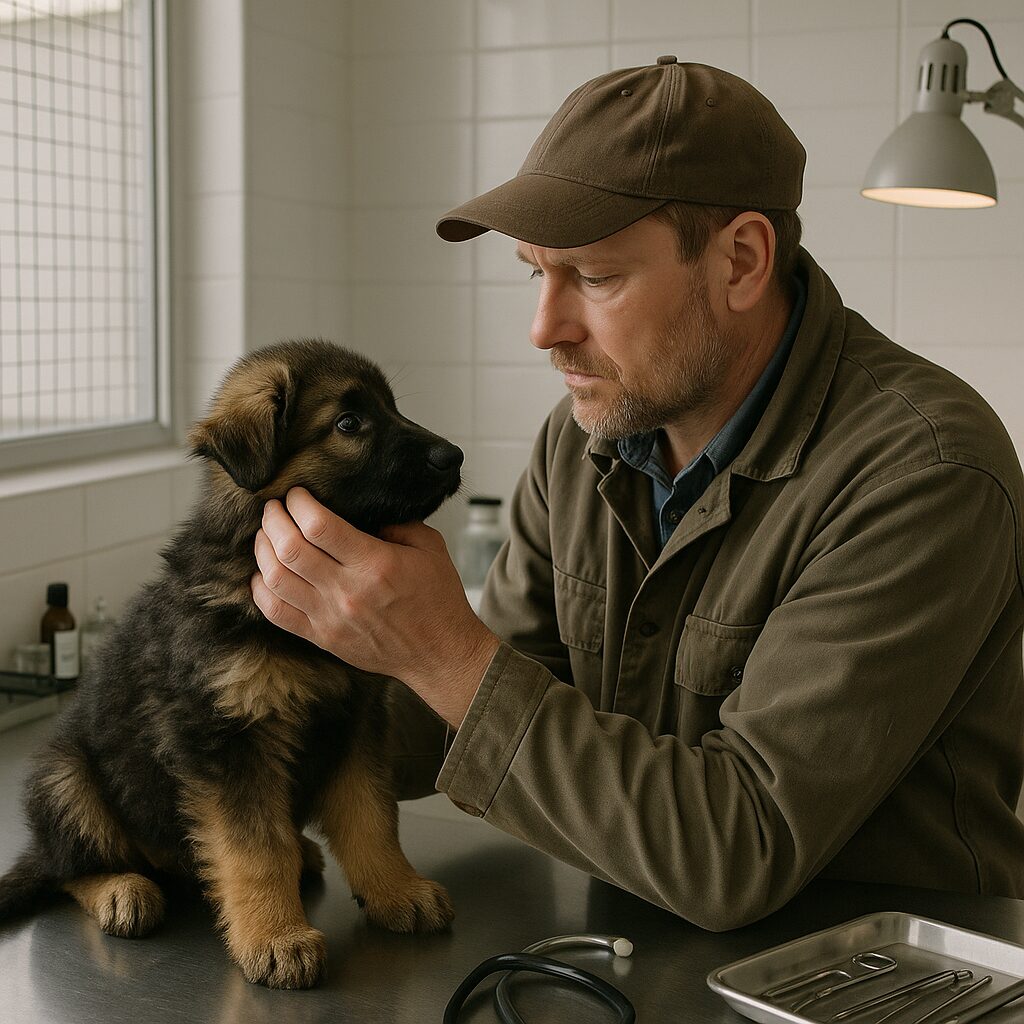
For some, the solution lies in implementing controlled cross-breeding programs, where the Altdeutscher Schäferhund is crossed with other lineages to limit defects without giving up its identity. Others advocate for strengthening health tests (X-rays, cardiac assessments, behavioral monitoring) before any breeding. In all cases, pedigree transparency and honest communication with the buyer remain essential to ensure respect for the dog as a living being, not just a consumer product.
FAQ
- What really distinguishes the Altdeutscher Schäferhund from the classic German Shepherd?
- The Altdeutscher Schäferhund is closer to the historical lineages, selected for work, with a straighter back and a balanced temperament, whereas the modern German Shepherd may have a more pronounced angulation and a physique more suited to competitions.
- Is inbreeding inevitable in these lineages?
- No. By following rigorous health programs and occasionally opening the lineages, it is possible to maintain the purity of the breed while limiting the inbreeding coefficient and associated genetic disorders.
- How to find an ethical Altdeutscher Schäferhund breeder?
- Look for a breeding operation transparent about its practices: health test results, behavioral monitoring, clear contracts, and the possibility of visits. Breeders involved in recognized clubs or dedicated associations are often a good starting point.