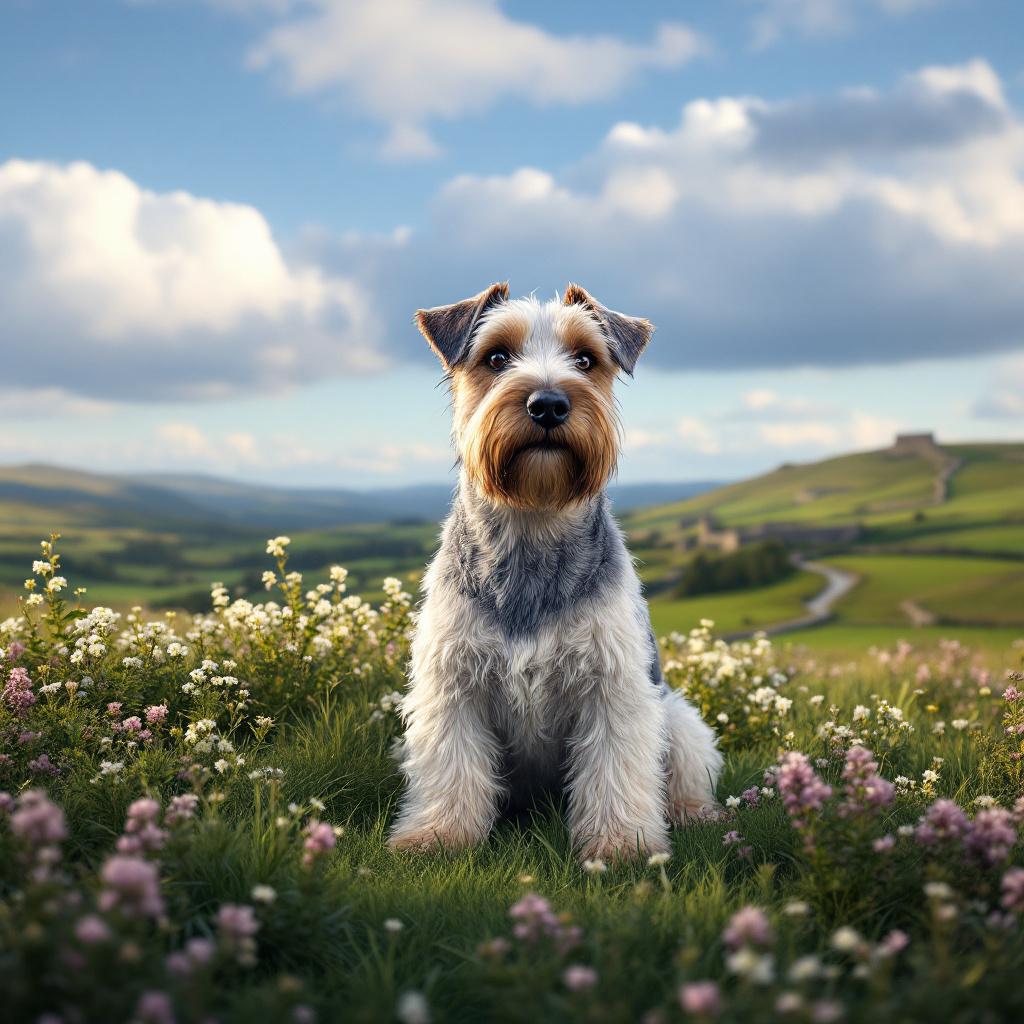
The Glen of Imaal Terrier, a small Irish terrier little known to the general public, charms with its rustic appearance, calm temperament, and astonishing robustness. It does not have the ostentatious elegance of popular breeds, but it possesses a grounded personality — discreet, loyal, and capable of surprising with its courage and tenacity. This article dissects its history, physical traits, practical needs, and what makes it different from other terriers; a complete guide for those considering adopting or simply better understanding this dog off the beaten path.
🟩 Origin: Irish working dog, bred for fox and vermin hunting, known for its robustness and adaptability in difficult terrains.
🟦 Physical characteristics: medium size, strong bone structure, square head, hard and dense coat often brindle or blue-gray.
🟨 Temperament: independent but affectionate, quiet, vigilant without being hyperactive; excellent family companion for consistent owners.
🟧 Care & health: regular grooming to maintain the coat, watchfulness for some hereditary conditions; thrives with moderate exercise and mental stimulation.
History and origin: a terrier shaped by the terrain
The Glen of Imaal Terrier finds its roots in the rugged valleys of Wicklow and Glen of Imaal in Ireland. Unlike other breeds photographed on podiums, it was created to be functional: to hunt, root out, work in wet and sometimes hostile conditions. One might think it is simply a “little bulldog,” but its profile is the product of pragmatic selection — robustness, courage, and endurance rather than aesthetic finesse. Over the centuries, its population has remained modest, which explains why it remains uncommon outside Ireland and the United Kingdom.
Appearance and standards: sober and robust
Silhouette and proportions
The Glen displays a compact silhouette, low to the ground, with a solid bone structure. Its head is rather wide and square, the stop moderate, almond-shaped eyes often give it a mischievous but calm expression. The chest is deep without exaggeration, the limbs powerful — everything in its morphology evokes an animal designed for demanding work rather than decoration.
Coat and fur
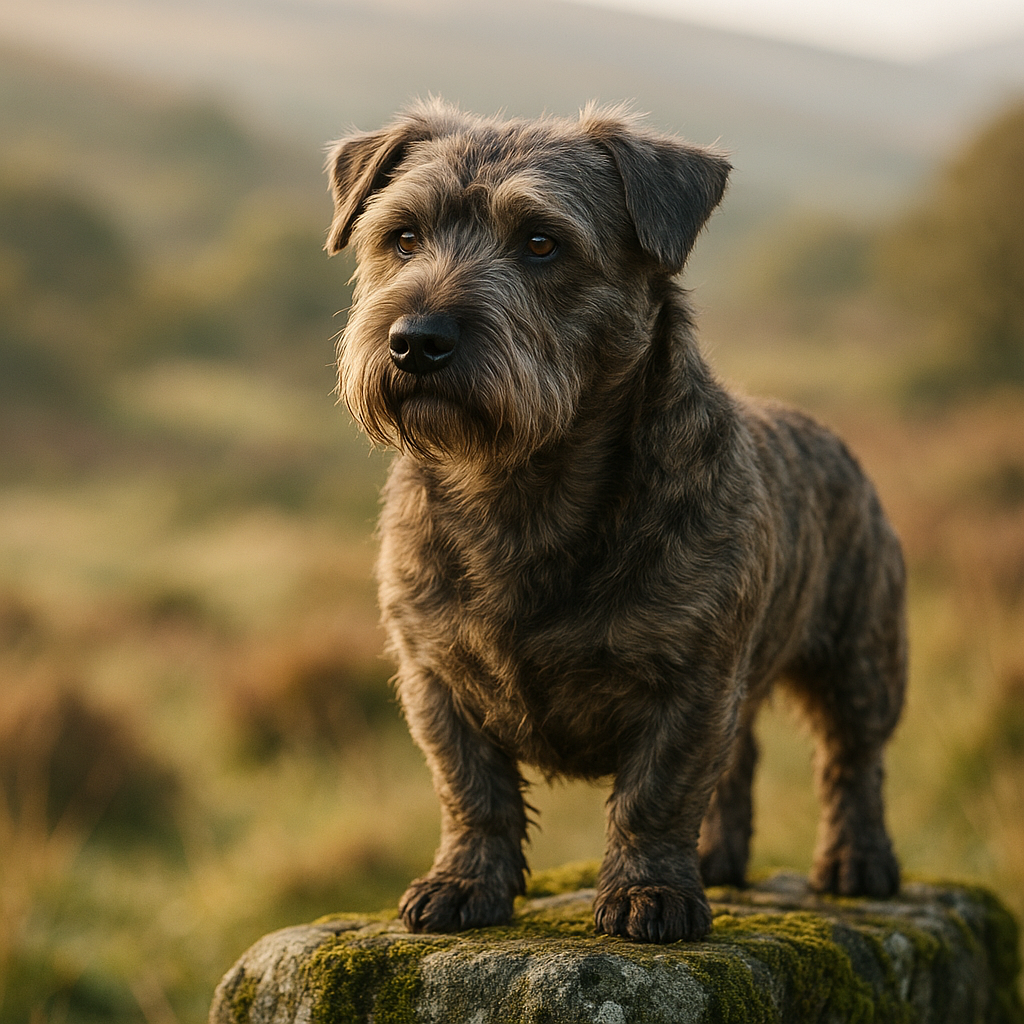
The coat is one of the Glen’s hallmarks: dense, hard on the surface, and fairly short, sometimes with a softer undercoat. Colors range from brindle to blue-gray to wheaten; white is tolerated in small markings. This coat is not only aesthetic — it protects against moisture and brambles, which is why grooming mainly consists of maintaining the texture rather than polishing the fur.
Character and Behavior: Between Independence and Devotion
Basic Temperament
The Glen of Imaal Terrier is not a caricature of a hyperactive terrier: it combines marked independence with sincere attachment to its family. It may seem reserved with strangers, and it retains a strong tendency to dig or follow a scent — remnants of its role as a small game hunter. What sets it apart is its moderation: it knows how to be courteous in daily life, without that meaning it is passive. In short, it wants to participate but in its own way.
Socialization and Training
It appreciates firm, consistent, and respectful training. Purely coercive methods do not work; on the other hand, rewards and structured routines yield very good results. With other animals, it can coexist, but its hunting instinct must be anticipated with gradual introductions and well-practiced recalls.
Daily Care: Coat, Exercise, Diet
Grooming and Care
Weekly brushing is generally sufficient to remove dead hair and dirt, supplemented by occasional stripping if one wants to maintain the ideal coat texture. The ears should be checked regularly, and the teeth maintained to prevent tartar and gingivitis. The Glen tolerates harsh climates quite well, but it appreciates a dry and warm shelter during prolonged wet periods.
Physical and Mental Activity
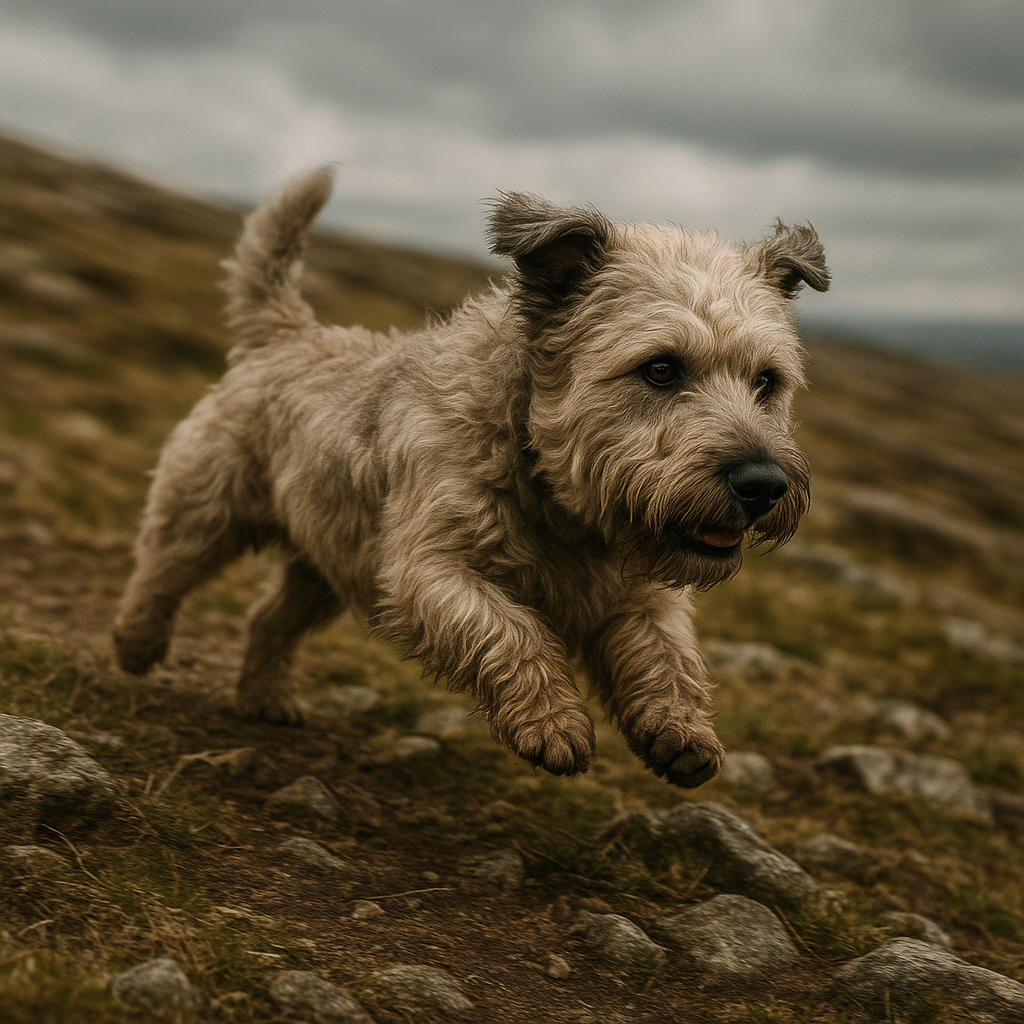
Unlike some hyper-energetic breeds, the Glen does not require hours of daily running, but it needs stimulating walks, tracking exercises, and games that awaken its intelligence. A mentally well-occupied dog will be less inclined to dig or get bored. Tracking activities, moderate agility, or search games are perfect for channeling its energy and scenting ability.
| Aspect | Average Need |
|---|---|
| Daily Exercise | 30–60 minutes, varied walks |
| Grooming | Brushing 1×/week, occasional stripping |
| Independence | Moderate, can stay alone for a few hours |
| Child Compatibility | Good if socialized, patient but firm |
Health and Longevity: Points of Caution
This is generally a robust breed with a life expectancy around 12 to 14 years. Nevertheless, some conditions deserve monitoring: hip dysplasia is uncommon but possible, eye disorders, and predispositions to certain endocrine diseases in some lines. Screening in breeding dogs and regular veterinary follow-up help limit risks and ensure a peaceful old age. In practice, choosing a serious breeder who performs the appropriate tests makes a big difference.
Who Is It Suitable For?
The Glen is suitable for owners who want a dog with character, capable of independence but present daily. It thrives equally well in a house with a garden or in an apartment provided stimulating outings are ensured. It is not the ideal breed for someone looking for a “velcro” dog 24 hours a day, nor for a beginner owner who would not accept setting firm and consistent rules from the start.
Practical Education: Tips for Effective Learning
- Start early: socialization with humans and animals, exposure to different environments.
- Reinforced recalls: work on obedience to recall with rewards, as the hunting instinct can take over.
- Mental tasks: food puzzles, search games, short and varied sessions rather than long monotonous hours.
- Consistent leadership: clear rules, routines, but without punitive rigidity.
Adoption and Purchase: Where and How?
Adopting a Glen of Imaal Terrier can be done through breed associations, specialized shelters, or reputable breeders. Checking the health certificates of the parents, requesting the pedigree, and observing the temperament of puppies and adults is essential. A visit to the breeding facility, questions about early socialization and breeding conditions help avoid unpleasant surprises. Finally, the ongoing maintenance cost (food, veterinary care, grooming) should be anticipated as with any medium-sized dog breed.
In Brief
The Glen of Imaal Terrier is a rustic and discreet companion, ideal for owners seeking a dog that is both independent and loyal. Its maintenance is reasonable, its temperament requires consistency and respect, and its robustness makes it an excellent choice for outdoor activities. In short, a terrier that charms by its substance rather than by flashiness.
FAQ
What is the average size of a Glen of Imaal Terrier?
Males generally measure between 33 and 38 cm at the withers, females slightly less. It is an ideal size to maintain agility and power.
Is it easy to live with in an apartment?
Yes, provided it is offered stimulating and varied outings. Its domestic calm makes it compatible with city life if its exercise needs are met.
Does it shed a lot?
The Glen is not an excessive shedder; weekly brushing is generally sufficient. Occasional stripping keeps the coat healthy.
Is it suitable for families with children?
Overall, yes: it is patient and affectionate, but children must be taught to respect boundaries and rough play should be supervised, as with any dog.