The Welsh Springer Spaniel, built for action and endowed with unwavering loyalty, surprises with its natural elegance and lively temperament. Originating from the Welsh countryside, this red and white spaniel has preserved a rich hunting heritage while becoming a top companion for active families. Between its passion for water, its need for daily exercise, and its strong attachment to its human, every day spent by its side promises discoveries, laughter, and bonding. While its frank gaze and alert gait leave no one indifferent, understanding its deep needs remains the key to harmonious coexistence. Let’s discover together the origins, physical characteristics, temperament, and essential advice to offer the Welsh Springer Spaniel the active life it deserves.
🐶 Welsh origin: directly descended from 18th-century British spaniels, specialized in small game hunting.
📐 Medium size: 43–48 cm at the withers, 18–25 kg depending on sex, an ideal balance between robustness and mobility.
❤️ Loyal and affectionate: great need for human presence, thrives within an active family ready to take it on walks.
💪 Boundless energy: at least two hours of daily exercise, hunting, swimming, or scent games to channel its enthusiasm.
Origins and historical background
The history of the Welsh Springer Spaniel roots itself in the heart of the Welsh moorlands. Very early on, this dog proved to be a valuable assistant in flushing out partridge and pheasant in the tall heather. Like its English cousins, it shares a common ancestor with the English Springer Spaniel but has retained a more uniform coat and a slightly more reserved temperament. In the 19th century, Welsh breeders worked to isolate this variety to preserve its robust character and strong hunting ability in wet terrain.
The official admission of the Welsh Springer Spaniel by the British Kennel Club in 1902 marked international recognition, opening the way to shows where its athletic silhouette and refined head carriage quickly charmed judges. Today, it remains quite rare in continental Europe, which enhances its status as a canine treasure to discover.
Physical characteristics
Size, weight, and proportions
The breed standard sets the ideal height at the withers between 45 cm and 48 cm for males, and 43 cm to 46 cm for females. As for weight, males generally weigh between 20 kg and 25 kg, compared to 18 kg to 23 kg for females. This build gives it excellent endurance while maintaining a harmonious silhouette, without excess bulk or excessive thinness.
| Criterion | Male | Female |
|---|---|---|
| Height at withers | 45–48 cm | 43–46 cm |
| Weight | 20–25 kg | 18–23 kg |
| Life expectancy | 12–14 years | |
Characteristic coat and grooming
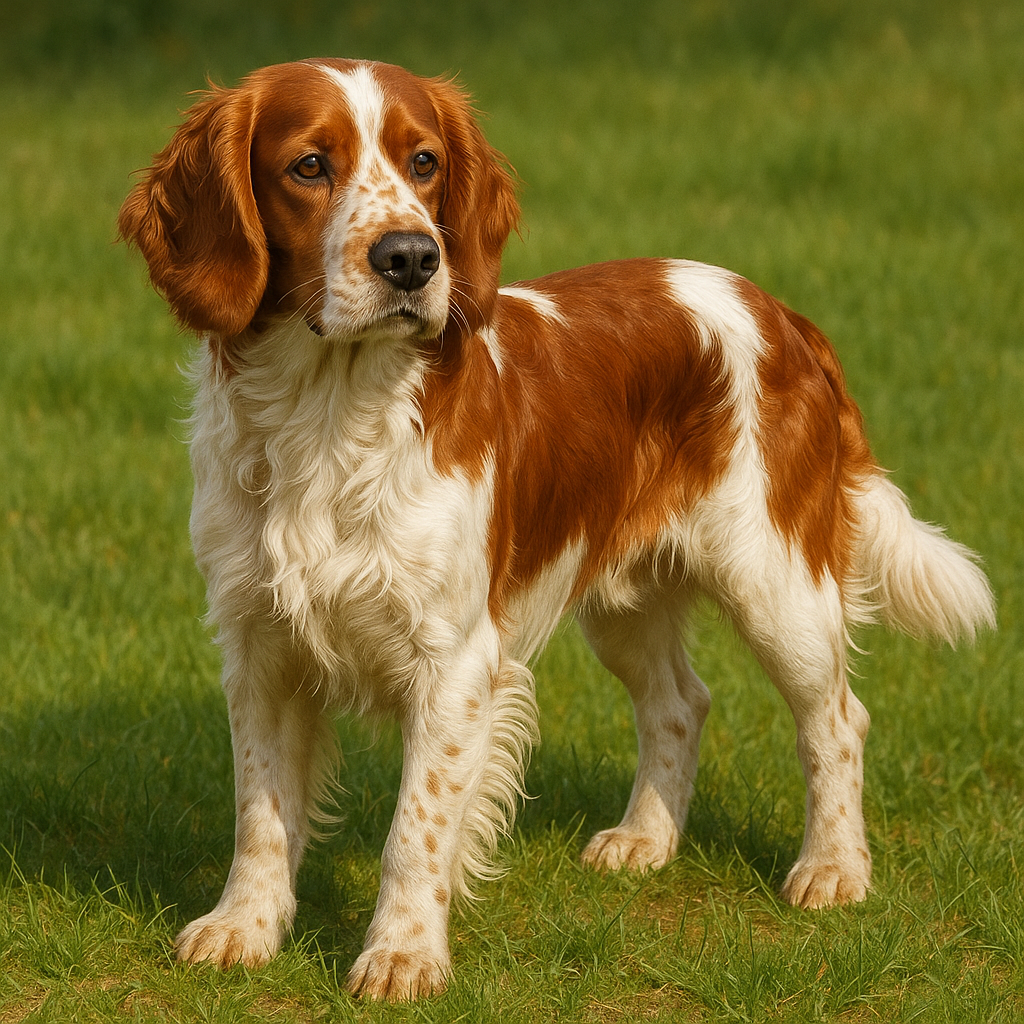
The Welsh Springer Spaniel’s coat is distinguished by clear red-white patches, without any black spots. The hair, soft and dense, effectively protects against bramble scratches and moisture. Brushing two to three times a week is enough to remove dead undercoat and prevent the formation of mats, particularly behind the ears and under the tail.
Temperament and Sociability
While some enthusiasts of beautiful walks will look for a companion as stubborn as committed on the pheasant trail, most owners primarily mention the deep loyalty and emotional attachment of the Welsh Springer Spaniel. Very sensitive, he senses the moods of those around him and reacts with rare gentleness, even if it means sometimes being a bit clingy.
- Outgoing with children: patience and playful spirit.
- Hunter at heart: formidable scent, loves helping with tracking sessions or scent-based hide-and-seek games.
- Reserved with strangers: a touch of initial wariness before revealing his friendly temperament.
- Potential hyperactivity: needs stimulating daily activities.
- Sensitive to tension: prefers a calm family environment.
Health and Life Expectancy
Overall robust, the Welsh Springer Spaniel can still be prone to certain hereditary conditions. Hip dysplasia remains the main point of concern, as well as chronic ear infections linked to his long ears. Regular veterinary check-ups and optimal hygiene (cleaning the ear canals after each bath or walk in the rain) are essential.
| Health Issue | Incidence | Preventive Measure |
|---|---|---|
| Hip Dysplasia | Medium | Screening X-rays, selective breeding |
| Ear Infections | Frequent | Regular cleaning, dry ears |
| Obesity | Low | Physical activity, controlled diet |
Daily Life
Maintaining a Welsh Springer Spaniel means combining long outings, water games, and positive training sessions. This companion thrives equally well in rural or suburban settings, provided he is offered a garden or sufficient freedom areas. A firm but caring owner, who knows how to vary the stimulations (tracking, recall, amateur agility), will see his dog gain confidence and balance.
- Exercise: 1 to 2 hours of active walking or play per day.
- Diet: premium kibble rich in proteins, portion adapted to activity level.
- Training: patience and rewards, a gentle voice enhances his willingness to cooperate.
FAQ
What is the life expectancy of a Welsh Springer Spaniel?
On average, this breed lives between 12 and 14 years. A healthy lifestyle, regular exercise, and periodic veterinary check-ups are the keys to maximizing its longevity.
Is this dog suitable for children?
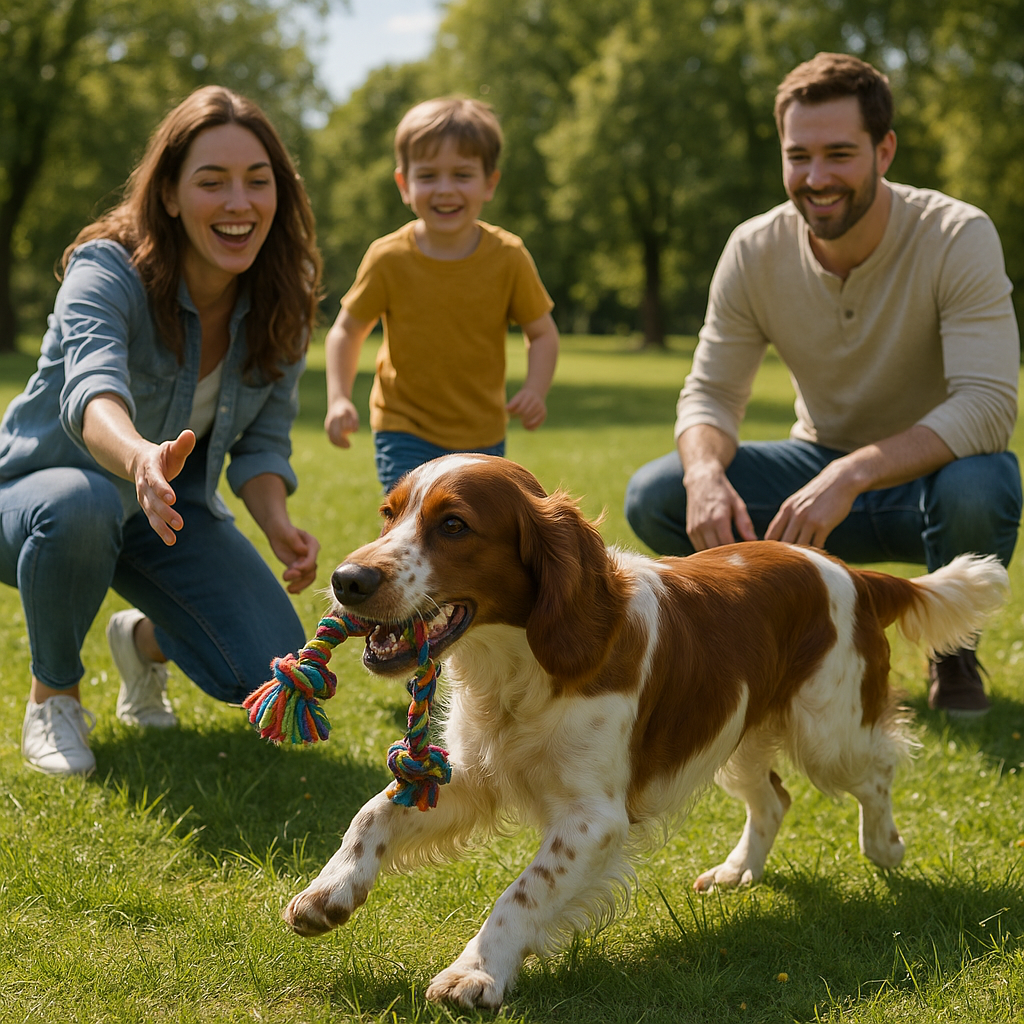
Very playful and protective, the Welsh Springer Spaniel generally gets along very well with children, provided they learn to treat him with respect. Early socialization promotes calm behavior.
Can the Welsh Springer Spaniel live in an apartment?
Theoretically yes, but only if you are ready to compensate for the limited space with frequent walks and stimulating play sessions. Without this, he risks getting bored and developing undesirable behaviors.
How often should I bathe my spaniel?
No more than two to three baths per year, except for specific needs (extreme mud, presence of allergens). Regular brushing limits the frequency of baths and preserves the quality of the coat.