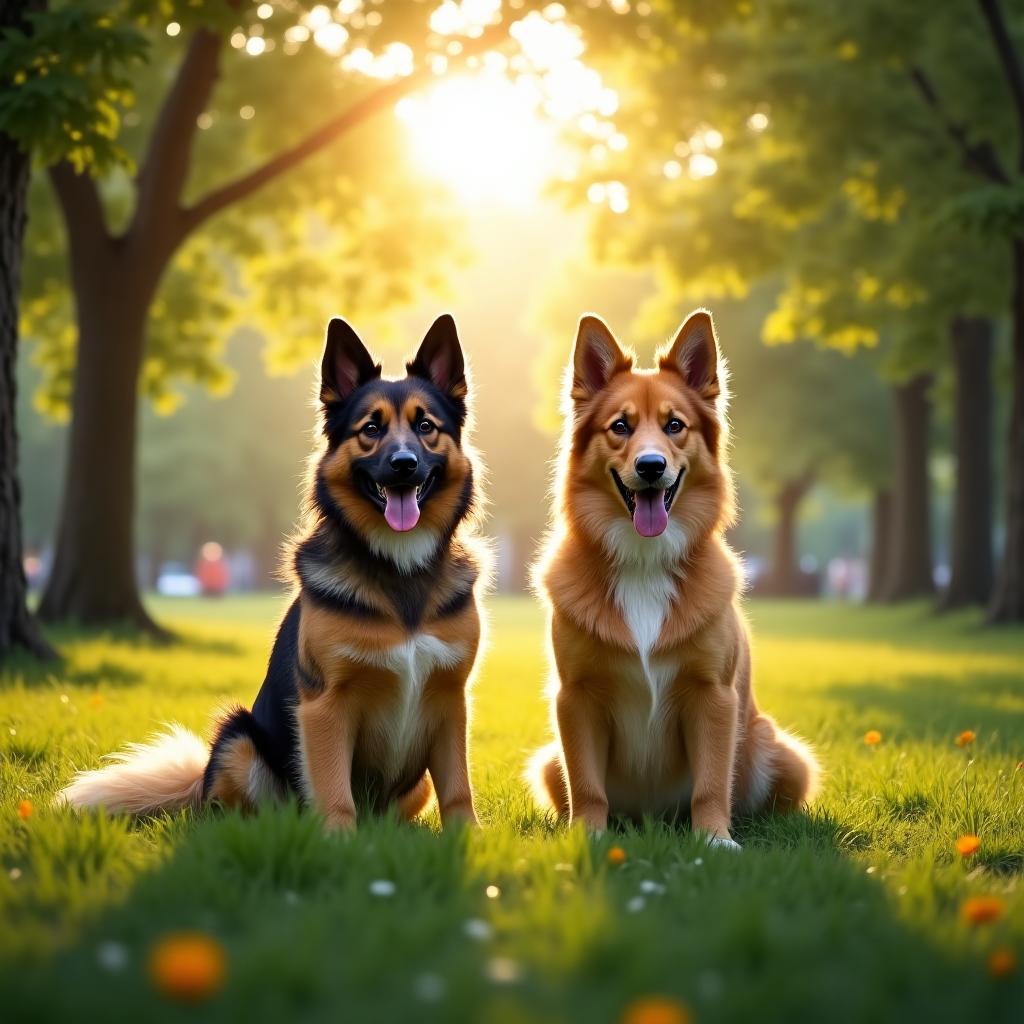
Choosing a dog is embarking on a long-term adventure. When hesitating between the Altdeutscher Schäferhund, this old-time shepherd, and the contemporary German Shepherd, you face two worlds: one rooted in tradition, the other shaped by decades of selection. Exploring their histories, needs, and temperament guides you toward the companion that will fit your daily life.
In Brief
🐕 Altdeutscher Schäferhund: square silhouette, sturdy bone structure, guardian instinct, high sporting needs, and longevity often exceeding 12 years.
🎯 Modern German Shepherd: angular appearance, fuller coat, more marked sociability, excellent for varied training, life expectancy around 10–11 years.
📊 Ideal profile: the Altdeutscher is made for an active, patient owner attracted to a “traditional” dog; the modern German Shepherd adapts better to novices and families.
✅ In summary: compare daily energy, available space, and training expectations to make the right choice.
Origins and Evolutions of the Two Lineages
Before bonding with a dog, diving into its history sheds light on its behaviors. The Altdeutscher Schäferhund, or original German shepherd, dates back to the first selections of the 19th century in Bavaria. Its initial purpose? To guard herds, alert in case of intrusion, and face wide-open spaces. Conversely, the modern German Shepherd was shaped throughout the 20th century, emphasizing aesthetics, versatility, and an increased aptitude for canine sports.
Genesis of the Altdeutscher Schäferhund
Pioneer breeders, like Max von Stephanitz, advocated for an enduring dog, close to the ground and endowed with a strong character. Their selection focused less on coat color or fineness, and more on bone solidity and muscular robustness. Result: an animal rarely prone to joint diseases and often capable of working several hours without faltering.
Selection of the Modern German Shepherd
After World War II, enthusiasm for beauty and artistic versatility gave rise to more slender lineages. Standards evolved toward an angular profile, with a pronounced arch of the back. Simultaneously, sociability was encouraged to make this dog a perfect family companion, suitable for agility, obedience, or tracking competitions.
Physical and Temperament Comparison
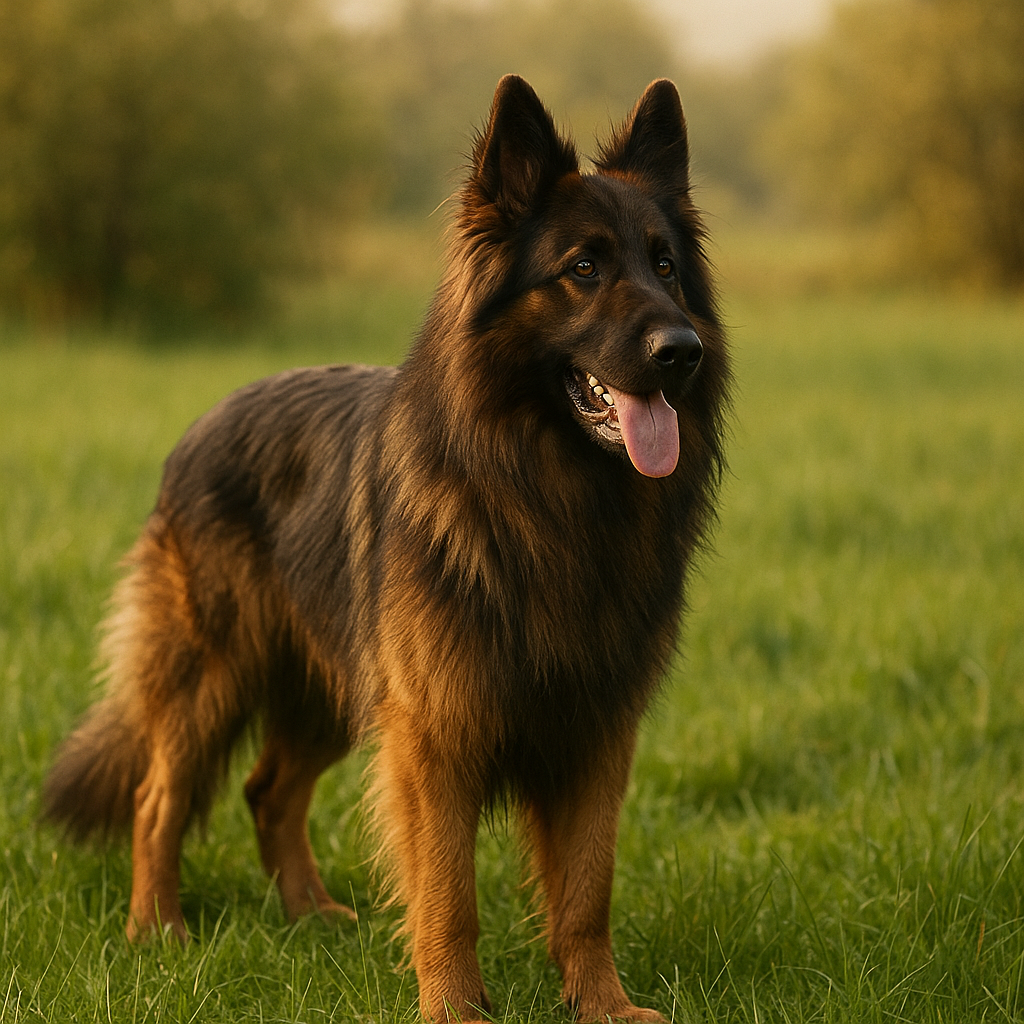
Appearance often betrays the spirit: a robust body announces a determined character, while a light bone structure suggests aptitude for jumping and speed. The contrast between these two shepherds is palpable at first glance.
Silhouette, Coat, and Gait
- Altdeutscher: straight line, strong teeth, short to medium-length coat, varied shades (from mahogany to black). Its head carriage, frank and vertical, inspires confidence.
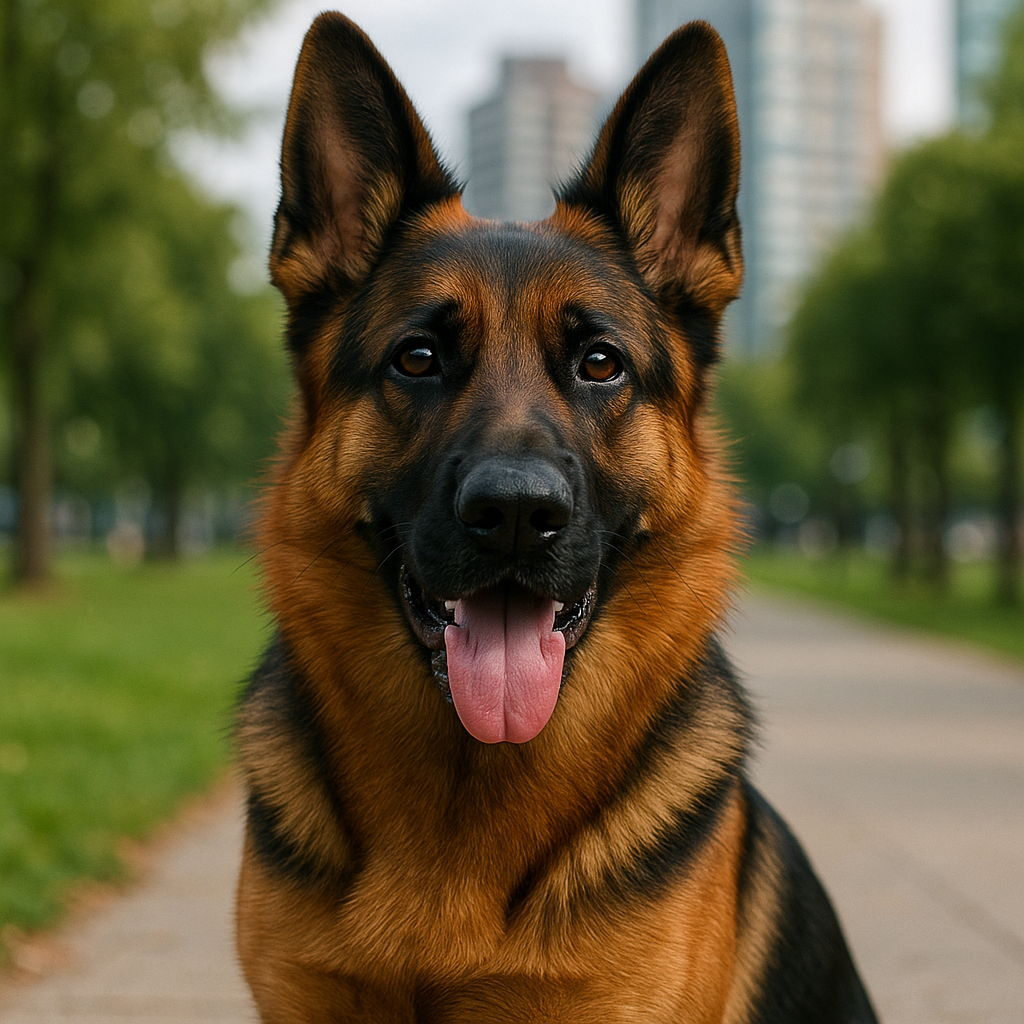
- Modern Shepherd: sloping back, muscular hindquarters, longer coat on chest and thighs. Sable and black & tan coats are favored in shows.
Personality and Sociability
The Altdeutscher is reserved towards strangers and vigilant as soon as the gate is opened. This mistrust, inherited from its protection duties, requires a confident owner capable of setting clear rules. On the other hand, the modern Shepherd benefits from easier socialization: while maintaining a sense of guarding, it will more easily approach visitors, children, and other animals.
Their common trait remains a remarkable intelligence and robustness, making them excellent partners for sports and work in canine environments.
Exercise and Environment Requirements
A dog is not a piece of furniture: physical activity is crucial. But expectations vary depending on the lineage.
Activity Needs of the Altdeutscher
This “purebred” shepherd demands at least 2 hours of daily effort: long hikes, pulling, tracking… Its muscles and mind thrive in structured tasks. The absence of stimulation quickly leads to boredom, and boredom to mischief.
Adaptability of the Modern Shepherd
Less demanding, it accepts urban walks, some agility sessions, and ball games. However, vigilance is necessary: 1 to 1.5 hours of exercise remains essential to maintain its physical and emotional balance.
Health and Longevity
In all lineages, hip or elbow dysplasia can occur. However, the older selection favored stronger joints in the Altdeutscher, whereas the modern Shepherd may more frequently suffer from extreme color ranges and conformations.
Genetic Predispositions of the Altdeutscher
Less common in intensive breeding, it often benefits from rigorous lineage monitoring, limiting hereditary diseases. The average lifespan easily exceeds 12 years.
Common Issues in the German Shepherd
Besides dysplasia, there are sometimes problems with deafness or skin allergies, especially in light-colored coats. Predisposition to Cushing’s syndrome or autoimmune diseases must be monitored.
Training and Education
Educating these two dogs is not limited to a few basic commands: it involves maintaining a continuous dialogue.
Methods Adapted to the Altdeutscher
Its strong personality demands a firm but kind hand. Positive reinforcement works very well, provided consistency is maintained. Utility sports (tracking, ring) suit its nature and strengthen the owner-dog bond.
Approach for the Modern German Shepherd
More eager to please, it responds quickly to playful methods (clicker training, search games). Short and varied sessions keep its motivation without tiring it.
Which Companion for Which Owner?
Ultimately, it is your lifestyle that decides. If you have free time, a garden, and solid canine experience, the Altdeutscher Schäferhund will become a faithful partner, almost an extension of yourself. Conversely, if you are a beginner, live in the city, or seek a gentler temperament with children, the modern German Shepherd will likely be easier to integrate.
Before taking the plunge, evaluate:
- Your availability for daily exercise
- Your experience with working dogs
- Your living space and walking areas
- Your goals (sport, companionship, protection…)
FAQ
- What size do they typically reach?
- Male Altdeutscher often reach 65–70 cm at the withers, compared to 60–65 cm for the modern German Shepherd.
- Which one is easier to groom?
- The Altdeutscher, with its shorter coat, brushes quickly. The modern Shepherd requires more frequent maintenance, especially during shedding.
- Can they live in an apartment?
- The Altdeutscher will suffer from cramped spaces, while the modern Shepherd tolerates limited housing better provided it is taken out regularly.
- What budget should be planned?
- Expect €1,200 to €1,800 for purchase, plus €800 to €1,200 per year for food, veterinary care, and activities.