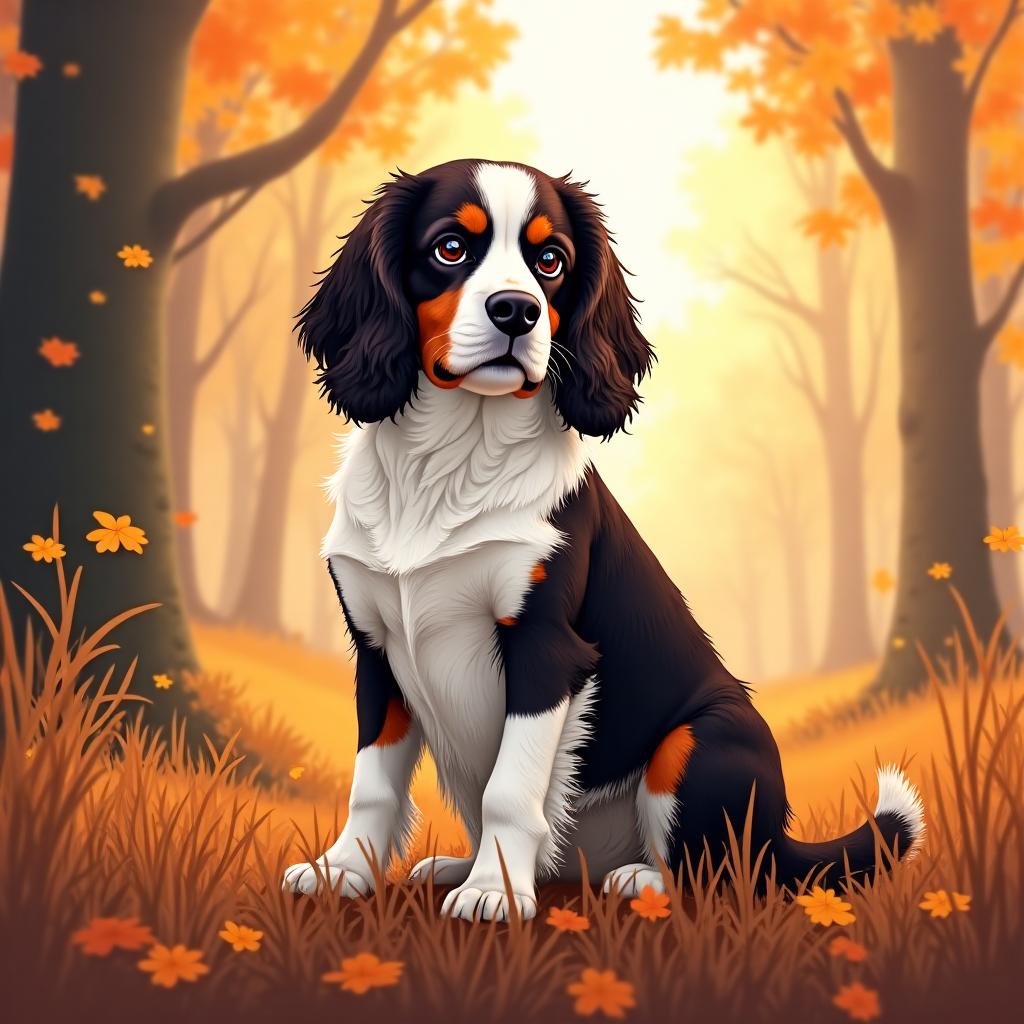
The French Spaniel, or French hunting spaniel, embodies the combination of rustic elegance and effectiveness in the field. Heir to a long line of pointing dogs, he captivates with his noble appearance, balanced temperament, and versatility. More than just a hunting companion, he is a faithful partner for those who enjoy combining an active life with moments of companionship.
📌 Origin dating back to the 16th century: this dog is one of the oldest spaniels in France, designed for team hunting and varied terrain.
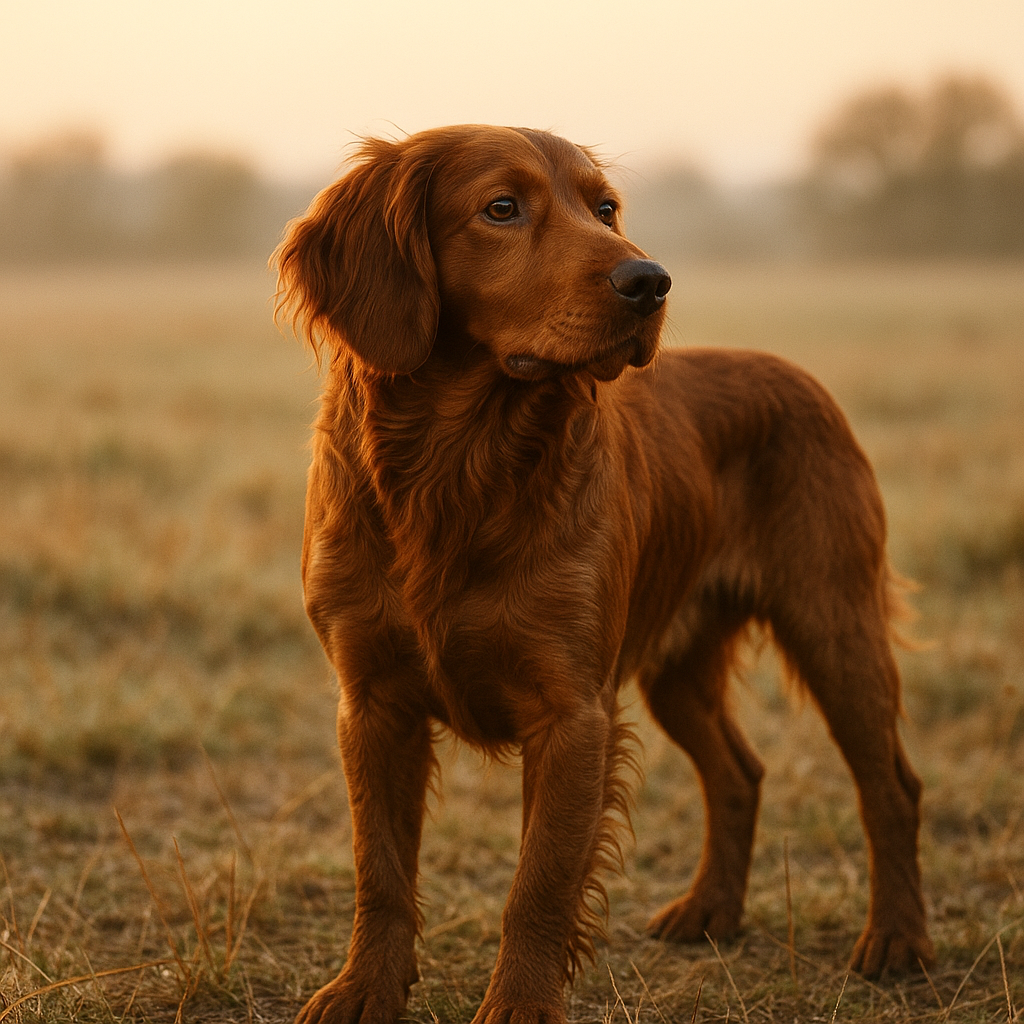
🔍 Robust morphology: solid brown-orange coat, harmonious appearance, medium build (25–30 kg) combining endurance and agility.
⚙️ Calm temperament: sociable, affectionate, endowed with a remarkable nose for small game, but also adapted to family life.
🐾 Reasonable maintenance: regular brushing, daily physical activity, and veterinary follow-up are enough to preserve his balance.
Origins of the French Spaniel
The French Spaniel has its roots at the heart of royal hunts, where it was already seen alongside valets and huntsmen. Resulting from crosses between English spaniels and native dogs, it stood out as early as the 16th century for its ability to work in packs, withstand gunfire, and retrieve game without damaging it.
From the Middle Ages to French nobility
Its trace is found in several hunting treatises: it appears as a reliable, robust dog, capable of keeping pace with horses and adapting to marshes, moors, and forests. At the Revolution, the breed nearly disappeared, saved by a few enlightened enthusiasts who maintained the lines in Normandy and Picardy.
Appearance and physical characteristics
Its silhouette evokes an athlete: black nose, bright brown eyes, drooping ears, and straight back. Muscular shoulders extend into strong limbs, suited for sustained running. The coat, dense and slightly wavy, protects against brush and moisture.
Sizes and proportions
| Sex | Height at withers | Weight |
|---|---|---|
| Male | 58–61 cm | 27–30 kg |
| Female | 55–58 cm | 25–28 kg |
Coat and colors
The most common shade is solid brown-orange, sometimes mixed with lighter hues on the chest and limbs. No white is allowed in the standard, which gives the French Spaniel a monochrome and elegant appearance.
Temperament and Hunting Skills
Its character is both gentle and determined. In a pack, it knows how to coordinate without noise; when hunting, its scent is formidable for flushing out pheasants or woodcocks.
Socialization and Bonding
- With humans: attached and respectful, it seeks proximity and shows obedience when the game is clear.
- With its peers: it is an ideal teammate, never excessively dominant.
- With children: patient and protective, it willingly participates in family activities.
Hunting Techniques
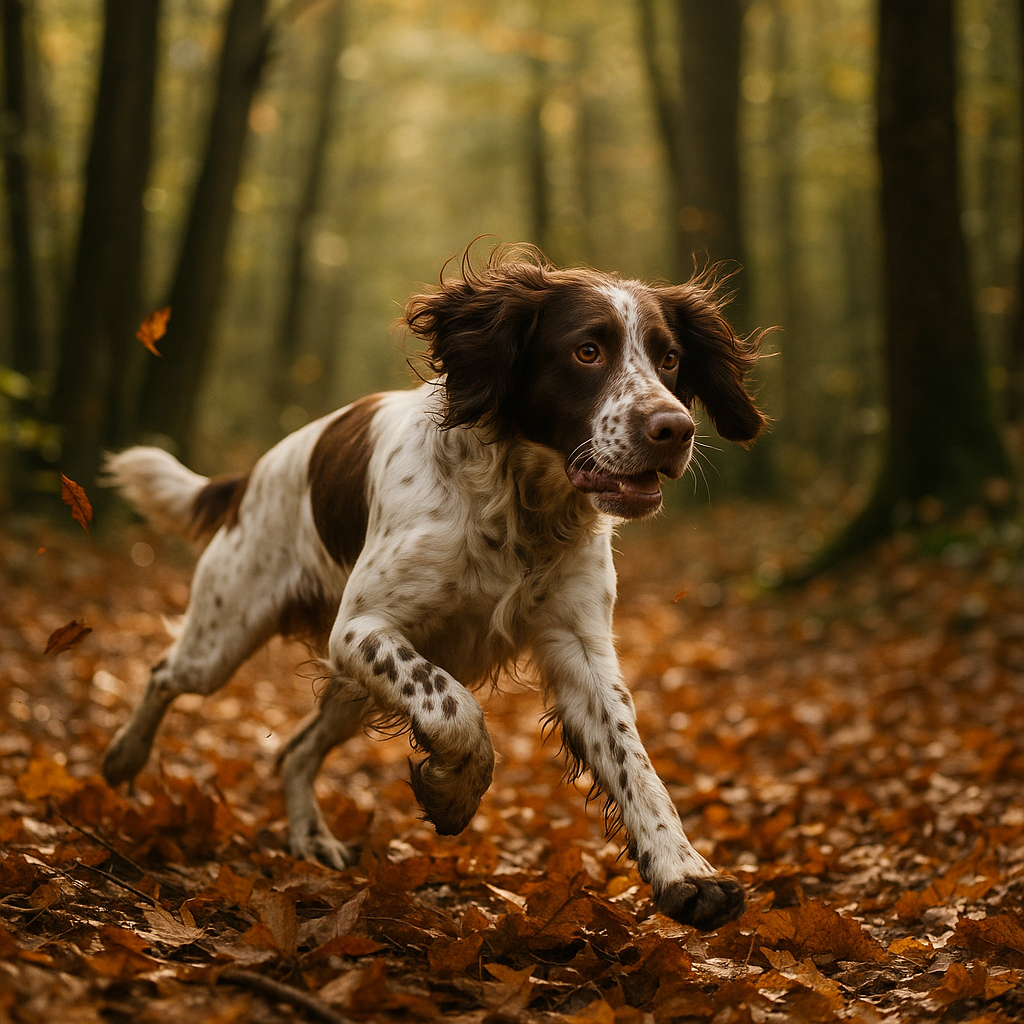
Its specialty: pointing at small game. Rather than tracking over kilometers, it methodically searches the cover. In action, it operates in a “progressive” mode, conserving its energy to remain effective all day long.
Care and Needs
The French Spaniel does not require extraordinary care but needs an active living environment. Between hunting outings, it enjoys walking, trotting, and playing to stimulate its muscles and mind.
Grooming and Hygiene
- Weekly brushing to remove dead hair and limit tangles.
- Regular ear checks to prevent otitis.
- Occasional baths, only when it is really dirty.
Physical Activity
In the absence of hunting, this is supplemented by cani-cross sessions, playful tracking, or retrieving games. A French Spaniel left confined quickly shows boredom and may find… damaging activities.
Health and Longevity
Robust, the French Spaniel often reaches 12 to 14 years. Some conditions require vigilance: hip dysplasia, hereditary eye problems, and general sensitivity to parasites.
Prevention and Veterinary Follow-up
- Control X-rays before breeding.
- Annual eye examination by a canine ophthalmologist.
- Parasite protection adapted according to the region.
Adopting a French Hunting Spaniel
Before any step, it is important to understand the commitment this dog represents: a great need for physical exercise, early socialization, and a secure environment. Serious breeders often offer to integrate the puppy into the pack from a very young age, ensuring a balanced temperament.
Choosing Your Companion
- Select a breeder registered with the French Book of Origins (LOF).
- Observe the bloodlines: verify the absence of hereditary conditions.
- Favor early socialization to noises, children, and other animals.
FAQ
What is the temperament of the French hunting spaniel?
It combines calm and dynamism: very sociable, it loves sharing activities with its owner while remaining composed at home.
Is it necessary to have a yard to accommodate it?
A fenced garden is ideal, but long daily outings can compensate for limited space, provided they are regular.
How to manage its hunting instinct in the city?
Prioritize recall training, secure tracking games, and walks in areas where it can express itself without disturbing wildlife.