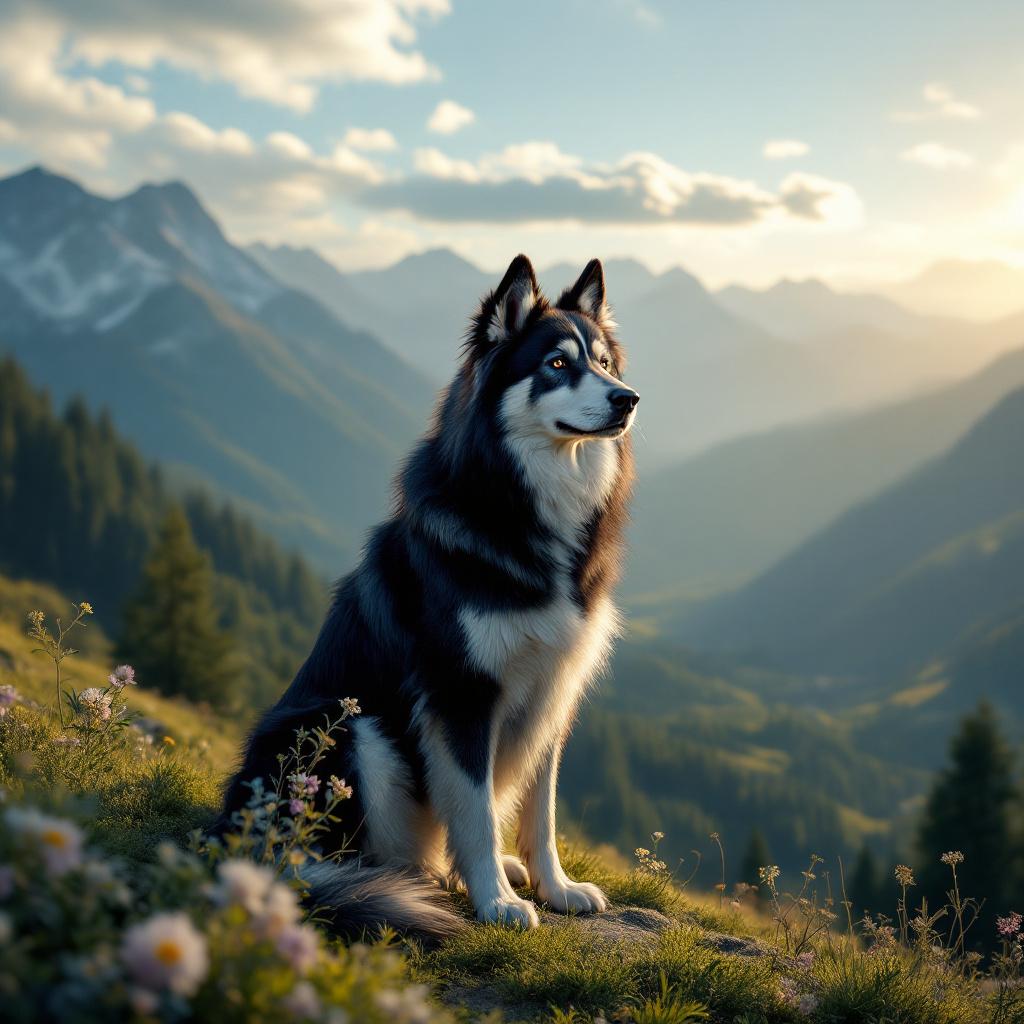
The Tornjak surprises with its imposing appearance and its historical role as a protector of flocks in the Dinaric Alps. Between age-old traditions and recent revival, this Bosnian and Croatian shepherd dog now appeals far beyond its original regions. Let’s discover together its strengths, character, and essential advice for welcoming a Tornjak into daily life.
🐾 Ancient origins: flock guardian dog in Bosnia-Herzegovina and Croatia, rediscovered in the 20th century to preserve a unique genetic heritage.
👐 Balanced temperament: protective but sociable, courageous without being aggressive, endowed with great family adaptability.
🎨 Physical characteristics: height from 60 to 70 cm, dense white and brindle coat, confident gait, robust silhouette.
🔧 Maintenance and practical life: needs daily exercise, regular grooming during shedding periods, predispositions to certain joint conditions.
The Tornjak: a living heritage of Bosnia-Herzegovina and Croatia
Origins and revival
In the heart of the Dinaric valleys, shepherds have been selecting for centuries a vigilant dog, capable of working in all weather and deterring predators. The word Tornjak would come from the local term designating the mountain. This breed was reconstituted after World War II from scattered populations, once threatened with extinction due to the intensification of industrial farming. Passionate breeders then gathered the specimens still present on the plateaus, relaunching an ambitious conservation program.
Recognition and popularity
The Tornjak was officially recognized by the Fédération Cynologique Internationale (FCI) in 1969. Since then, it has gradually gained breeding grounds in Western Europe and North America, appreciated for its loyalty and guarding aptitude. Specialized clubs highlight its non-aggressive character towards humans, even if it remains very reserved with strangers. This duality makes it a reliable guardian, capable of cooperating closely with its master.
Character and temperament
Endowed with practical intelligence, the Tornjak shows measured autonomy: it knows how to take initiatives while respecting instructions. Its protection of the flock is based on a strong territorial instinct, but it is never blind aggression. Courteous with children and patient with other domestic animals, it develops a deep bond with the “human pack” it integrates.
- Loyal: devoted guardian to home and loved ones.
- Serene: rarely prone to separation anxiety.
- Vigilant: sharp observation skills, reacts without warning.
- Independent: appreciates freedom of initiative for patrolling.
“Having a Tornjak is sharing an ancient bond with the mountain,” likes to remind a Croatian breeder. This phrase well illustrates the intimate connection between the breed and its original environment.
Appearance and Standards
Overview of the Standard
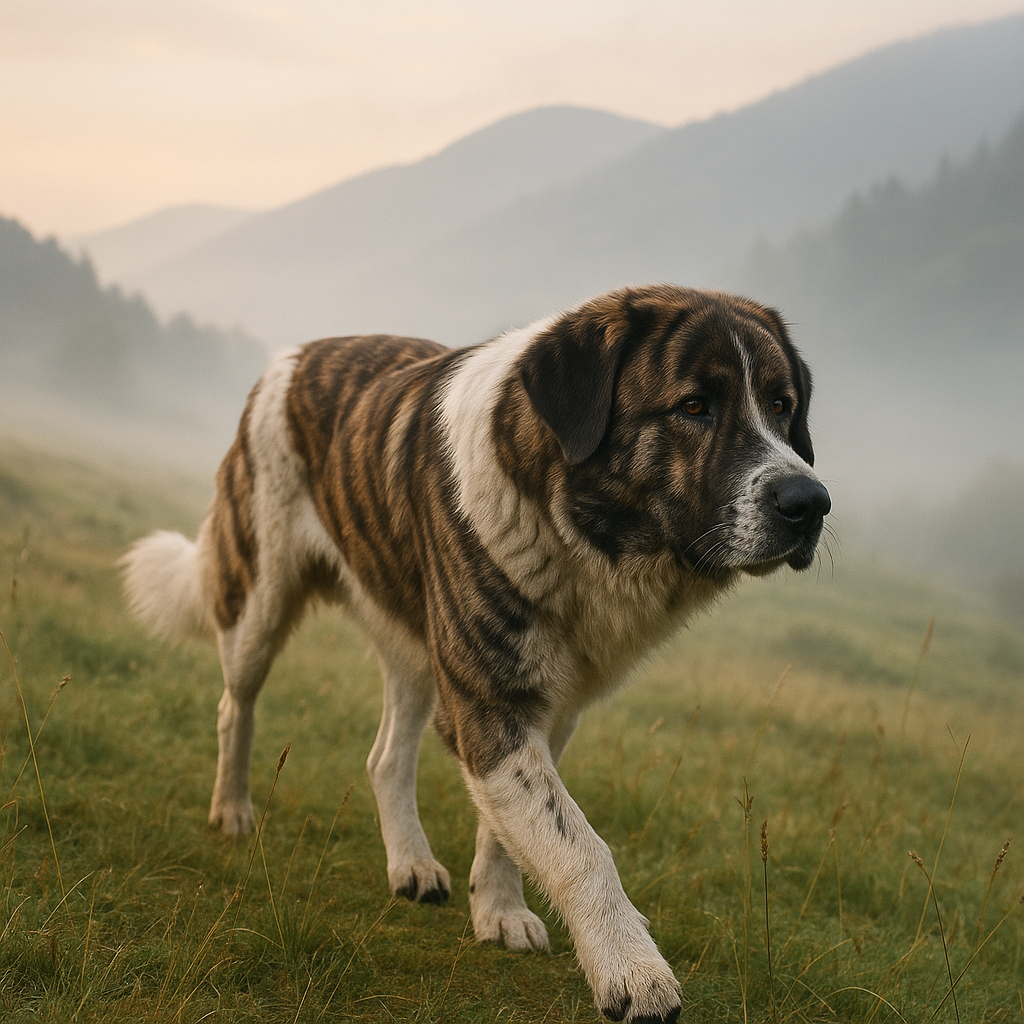
The Tornjak displays an imposing stature: the height at the withers generally ranges between 60 and 70 cm for the male, and from 58 to 65 cm for the female. The body, slightly longer than tall, remains harmonious, without excessive heaviness. The coat is dense, forming a protective collar around the neck, the coat often white with brindle, fawn, or gray patches.
Comparative Table of Main Characteristics
| Characteristic | Male | Female |
|---|---|---|
| Height at withers | 60–70 cm | 58–65 cm |
| Weight | 30–45 kg | 25–40 kg |
| Coat color | White with brindle or fawn patches | |
| Life expectancy | 10–12 years | |
Training and Daily Life
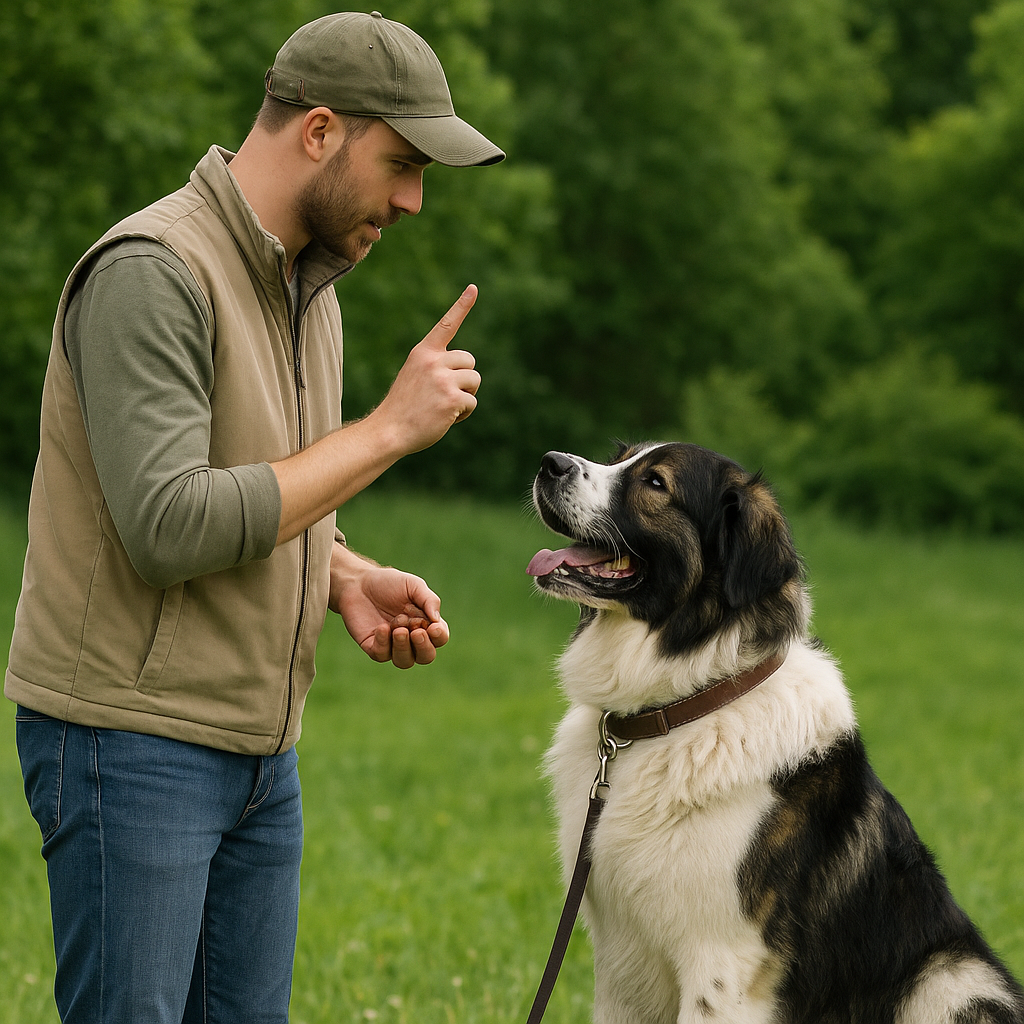
The Tornjak responds well to training based on mutual respect. Positive methods, using rewards and encouragement, work perfectly with this breed sensitive to vocal intonation. On the other hand, any brutality or inconsistency in commands risks hindering its motivation.
- Early socialization: essential to temper its protective instinct.
- Regular exercise: long walks and large spaces, ideally a fenced area.
- Mental stimulation: tracking or orientation games make it more balanced.
- Stable routines: reassuring structure for a herding dog accustomed to landmarks.
Health and Longevity
The Tornjak generally enjoys good robustness, but some joint problems, such as hip dysplasia, may appear. Regular veterinary follow-up, combined with adapted nutrition and maintained weight, prevents the onset of chronic disorders.
- Dysplasia control: X-rays before breeding.
- External parasites: dense coat requiring frequent brushing to avoid ticks and fleas.
- Dental health: brushing or dental treats to limit tartar.
The Tornjak in Daily Life: Needs and Practical Advice
In the city, its adaptation remains possible provided substantial outings and access to a large park are offered. In rural areas, it will naturally find its place in an orchard or pasture. At mealtime, it prefers a ration adapted to its size and effort, divided into two daily meals to spare its joints.
Ideal Environment
The Tornjak thrives in cool to temperate climates. The fresh air, forests, or plains are its domain. In an apartment, the absence of external obstacles can trigger boredom and excessive barking. Furthermore, properly fencing the garden is essential: its patrol instinct pushes it to explore vast territories.
FAQ
1. Is the Tornjak suitable for families with young children?
Absolutely. Its patience and gentleness make it an excellent companion for children, provided there is early socialization and usual supervision during play.
2. What activity should I prioritize for my Tornjak?
Hiking in nature and tracking games. This dog loves to explore independently while remaining attentive to your call.
3. Should the hair under the paws be cut?
It is better to simply maintain the long hair by brushing it to avoid tangles and check that no stones or debris are stuck.
4. Is the Tornjak noisy?
Its voice generally remains moderate. It alerts but does not adopt systematic howling. A good training of the “quiet” command is enough to control unnecessary barking.
5. What is the shedding period of the Tornjak?
Twice a year, the Tornjak loses its undercoat: intensive brushing (three times a week) considerably limits hair on the floor.