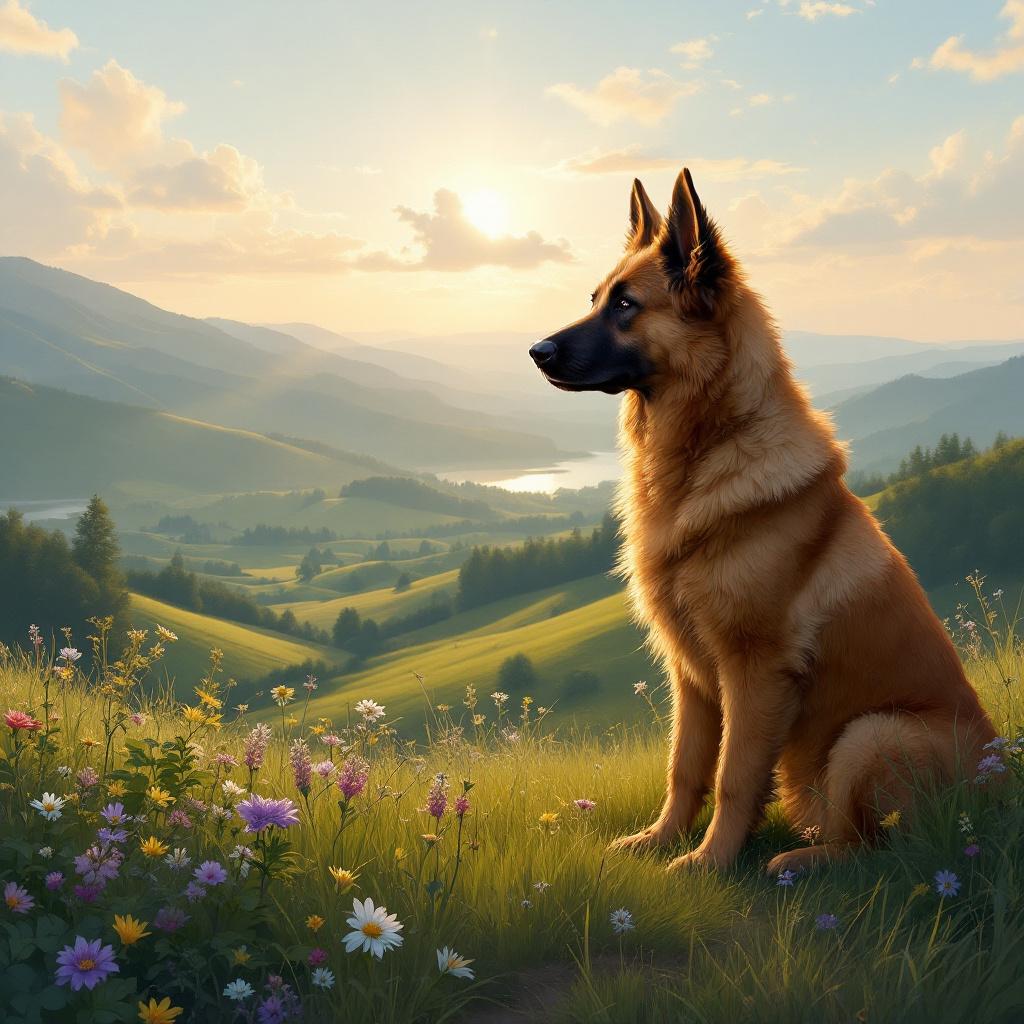
Halfway between rustic authenticity and natural elegance, the Belgian Laekenois stands out as the most original of the four Belgian shepherds. Its fawn, bristly coat, almost thistle-like, gives it the air of an ancestral sentinel. Yet behind this rustic look hides a companion of unwavering loyalty and energy to be channeled with respect. Let us discover this breed that deserves as much attention as it gives to its masters.
In brief
🐕 Belgian origin: originating from the Laeken district in Brussels in the 19th century, this shepherd served in the Civic Guard, confirming its robustness and sense of duty.
💪 Tireless temperament: hyperactive as desired, it excels in canine activities (agility, tracking), while remaining affectionate and protective towards its family.
🌳 Rustic maintenance: its coarse coat requires few baths but regular brushing; a real plus for lovers of dogs with a wild look.
Origins and history of the Laekenois
Birth in the Laeken region
In the mid-19th century, Belgian breeders sought to standardize local shepherd dogs. In the suburb of Laeken, north of Brussels, some rural breeders selected individuals with rough coats for their resistance to cold and brushwood. The Laekenois was born from this pragmatic quest, much more than a mere collector’s whim: it was above all a working tool capable of braving the elements.
Role in the Civic Guard
For several decades, Laekenois accompanied the patrols of the Belgian Civic Guard. Their rustic silhouette and keen sense of smell made them excellent sentinel and search dogs. Gradually, the knight of this canine veteran became a national pride, even if the breed remained always rarer than its Malinois or Tervuren cousins.
Physical characteristics
Size and silhouette
Between 58 and 66 cm at the withers for males, slightly less for females, the Laekenois displays an imposing stature without unnecessary heaviness. Its line is taut, almost angular: sloping shoulders, straight back, slightly inclined croup. The overall impression is that of an athlete built for endurance.
Rustic coat and texture
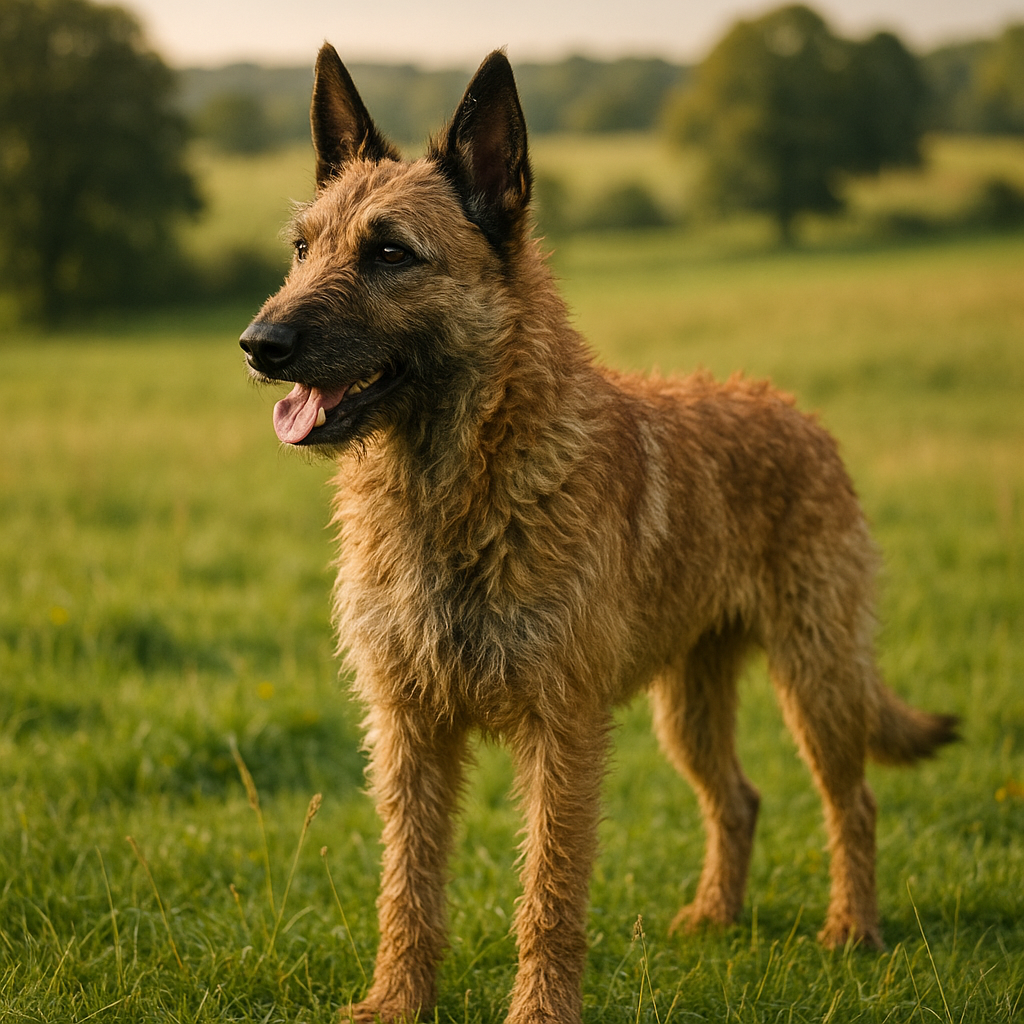
The coat is immediately distinguished by its texture: long, rough, and sprinkled with lying hairs. The colors range from light fawn to reddish brown, often streaked with gray shades. This rustic coat effectively protects against fine rain and thorns, without becoming a daily maintenance burden.
Personality and temperament
Tireless working dog
When one thinks rustic, one often imagines a thick temperament. In reality, the Laekenois possesses an astonishing liveliness of spirit: it loves to learn, take on challenges, and push itself physically. Whether in tracking, obedience, or during an agility course, its determination never wavers.
Attachment and vigilance
Beneath its wild appearance lies a tender heart: it forms a very strong bond with its surroundings, sometimes to the point of jealousy. The slightest suspicious noise triggers its scent and modulated barking. A rough-coated bodyguard who knows how to be gentle with the little ones.
Ideal living conditions
Environment and Exercise
The Laekenois is an outdoor athlete. Without a garden or regular outings, he can quickly become bored and develop undesirable behaviors. Ideally, a fenced yard and daily walks covering several kilometers are recommended to channel his energy.
Education and Socialization
His intelligence does not exempt him from firm but fair training. Positive methods, based on rewards, work very well, provided there is unwavering consistency. Early socialization, especially with other animals, prevents excessive suspicion of strangers.
Maintenance and Care
Grooming and Brushing
Despite his coarse texture, the Laekenois does not require daily brushing: two sessions per week are enough to remove dead hair and debris. A bath once or twice a year, unless there is an accident, maintains the wild appearance of the coat without damaging it.
Health and Veterinary Visits
Generally robust, he is not prone to major hereditary conditions. Attention is paid to the joints (hips, elbows) and dental health, given his active lifestyle. Two annual veterinary check-ups are the minimum to detect any minor issues.
Welcoming the Laekenois into the Family
Coexistence with Children and Other Animals
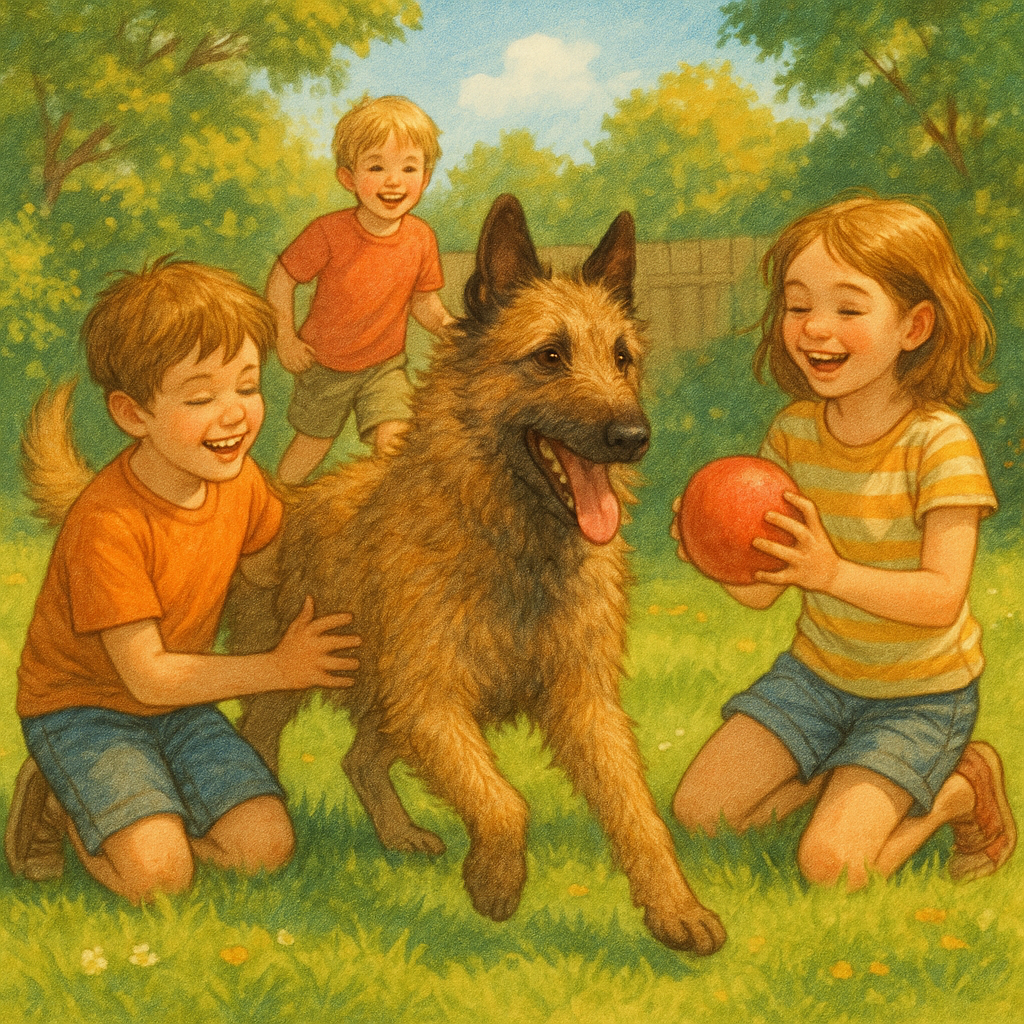
Affectionate towards the youngest, this shepherd knows how to be patient and protective. Once socialization has been seriously undertaken, he can live with cats or rodents. His instinct guides him to recognize others as members of the clan or as prey: it is better to accustom him early to close contact.
Adaptation to Urban vs Rural Life
One might think that the city stifles his shepherd spirit. In reality, a well-managed apartment with frequent outings can suit him, provided he can expend his excess adrenaline. In rural areas, his herding instinct finds full meaning in guarding animals.
Adopting a Laekenois
Before taking the step, some essential questions: am I ready to offer him a stimulating environment? Do I have time for consistent training? Serious breeders often require a preliminary interview, a sign that passing on such a companion is not taken lightly. Once these conditions are met, the human and animal adventure can begin.
Comparative Table of Belgian Shepherd Breeds
| Characteristic | Laekenois | Malinois | Tervueren | Groenendael |
|---|---|---|---|---|
| Coat | Rough fawn | Short fawn | Long fawn | Long black |
| Temperament | Rustic, diligent | Lively, hardworking | Balanced, versatile | Calm, elegant |
| Maintenance | Moderate | Low | Medium | High |
| Activity | High | Very high | High | Moderate |
FAQ
What is the Belgian Laekenois’ temperament?
Hyperactive and loyal, he is always ready to work but also knows how to relax with his family.
Is the Laekenois suitable for a novice?
With clear and patient training, a motivated beginner can succeed, provided they inform themselves beforehand about his needs.
How often should I brush his coat?
Twice a week, more after muddy outings or during shedding periods.
Is he easy to train?
His great intelligence makes him a diligent student, provided the method is consistent and varied.