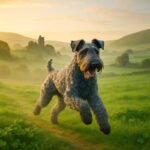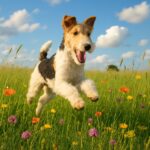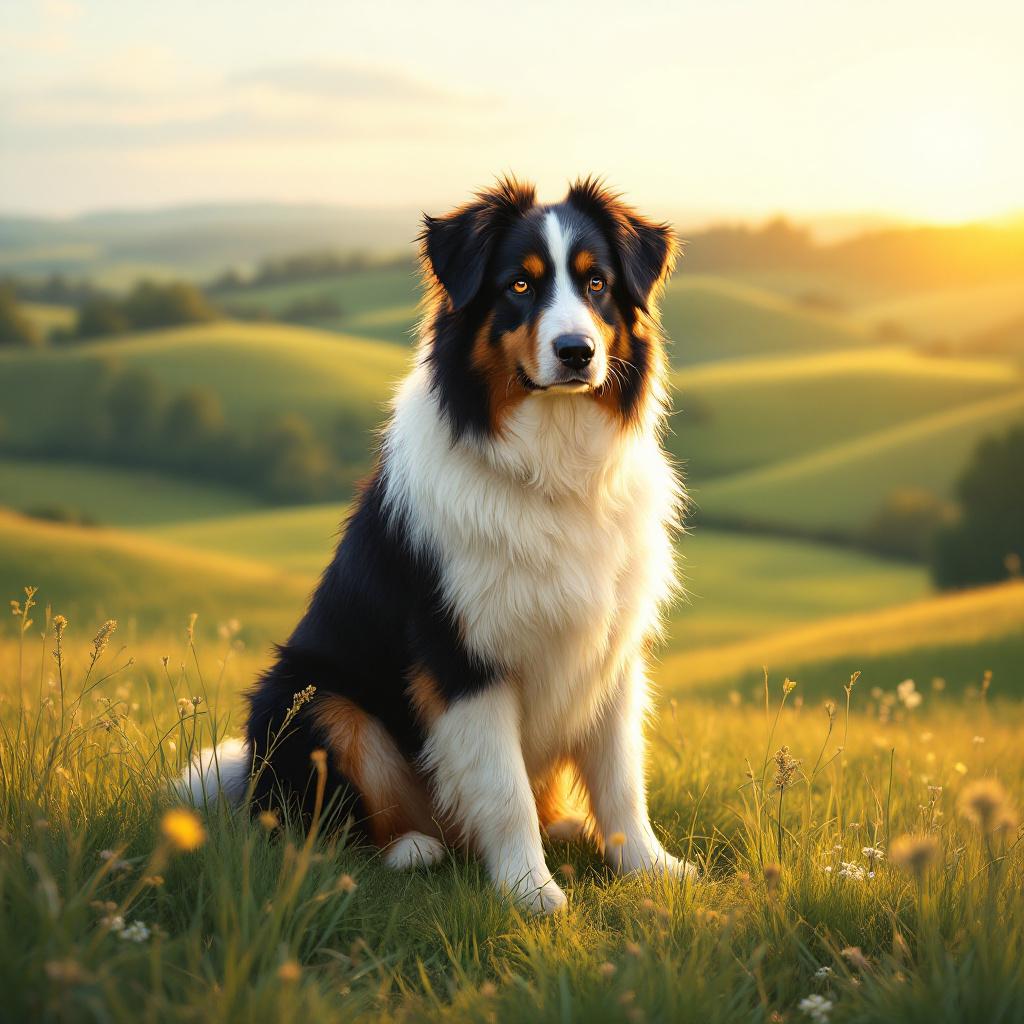
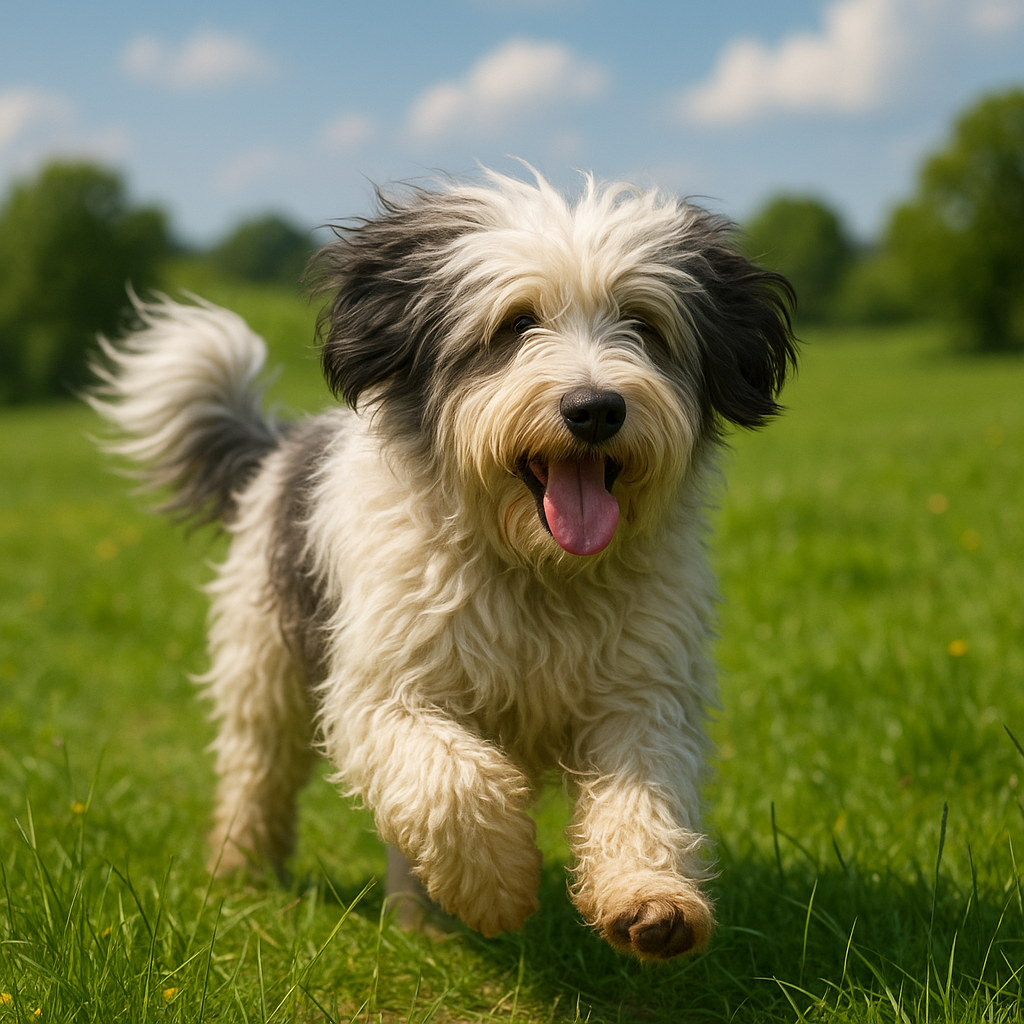
Born in the Polish countryside, the Polish Lowland Sheepdog, or fluffy Polish shepherd, charms with its rustic appearance and dense coat. Far from being just a pretty dog, it has inherited solid experience as a protector of herds and a lively temperament. Throughout this article, we will dissect its origins, character, grooming needs, and the keys to harmonious coexistence. Hold on tight: behind this fringed face hides a companion full of resources and surprises.
In brief
🐑 Rural origins: this shepherd is a direct heir of Polish agricultural practices; its main role was to watch over and gather livestock.
🌿 Impressive coat: a long fleece, weather-resistant, requiring regular maintenance to avoid tangles and ensure good skin aeration.
🤝 Balanced personality: an intriguing mix of vigilance, affection, and independence, it knows how to be attentive without falling into excessive attachment.
🛠️ Care and training: quick to learn, it nevertheless requires early socialization and weekly grooming sessions to stay in top shape.
Origins and history of the fluffy Polish shepherd
Between villages and pastures of Poland, dogs with thick coats were essential to gather sheep and ward off predators. Without a fixed standard, these roaming herds gave rise to local variations, but always with the same guardian heart. It was only at the beginning of the 20th century that a group of enthusiasts formalized the breed, giving it its first official name. Like other Eastern European shepherd dogs, the PON then made its way to shows, where its rustic look and strong character charmed.
Character and temperament
Socialization and attachment
Rather reserved with strangers, the PON quickly forms a strong bond with its human “pack.” One might think it is excessively wary, but it is mainly a mix of innate vigilance and curiosity. Once trust is established, it shows itself playful, affectionate, and capable of great patience, especially with children. On the other hand, it cannot stand boredom and long days without stimulation: watch out for mischief in the garden!
Energy and activity needs
Far from the “couch dog” cliché, this shepherd needs to expend energy. Whether it is a brisk walk, an agility course, or a simple ball-throwing session, it finds an essential outlet to channel its energy. Its enthusiasm does not prevent it from enjoying calm times, provided that physical exercise is part of the daily routine. In truth, it is an ideal companion for sporty families or owners ready to involve it in their outings.
Care and health
Grooming: preserving a dense coat
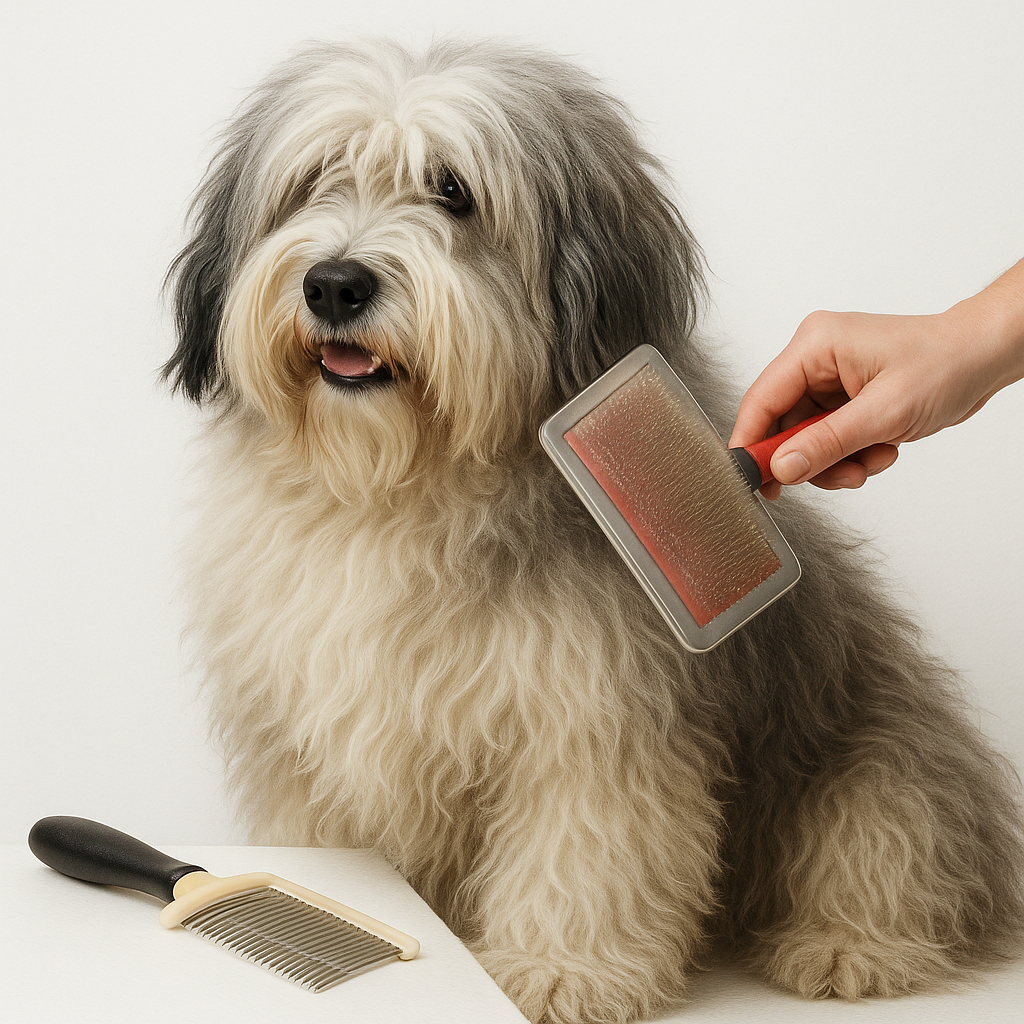
What strikes first is the lush texture of its coat. Without regular brushing, the hairs become matted, trapping dirt and moisture. Hence the importance of a gentle brushing session at least twice a week, more frequently during shedding periods. A brush with widely spaced pins is used to detangle, then a fine comb to finish. Additionally, a bath every two to three months is sufficient if a mild shampoo formulated for long hair is chosen. This way, the natural barrier against the elements is preserved and the skin stays healthy.
Diet and exercise
To support its muscle mass and high metabolism, quality food is essential. Animal proteins, essential fatty acids, and a moderate intake of carbohydrates help maintain its coat and regulate its energy. Depending on age and activity, portions are adjusted: a young dog in full training may require more calories, while a senior will need a lighter diet to preserve its joints. At the same time, a varied exercise program – trail running, fetch games, or hikes – helps prevent obesity and behavioral problems related to boredom.
Education and daily life
Learning methods
The PON is relatively easy to train, provided one is patient and avoids overly rigid methods. Positive reinforcements – treats, petting, encouragement – go much further than reprimands. It appreciates short and playful sessions: five minutes of recall, then a game segment, and so on. Enriching its daily life with puzzle games stimulates its intelligence and strengthens the owner-dog bond. In other words, a balance between discipline and fun is key.
Family compatibility and group living
Adaptable, it fits well both in a family and solo with an enthusiast. Children can become its companions, provided they respect its space when it is resting. With other animals, introductions must be gradual: a well-socialized official dog prefers to avoid unnecessary confrontations. In an apartment, it tolerates indoor living if its daily walks are sufficiently dynamic. However, a large secure garden remains a plus to give it the freedom to sniff and explore.
Strengths and challenges – comparative table
| Strengths | Challenges |
|---|---|
| Loyal and protective | High exercise needs |
| Intelligent and receptive | Demanding grooming |
| Good family sociability | Tendency to boredom if under-stimulated |
FAQ
What size does a Polish Lowland Sheepdog reach?
The male generally ranges between 42 and 50 cm at the withers, while the female is around 40 to 48 cm. The weight varies between 12 and 20 kg depending on the build.
Is the PON suitable for apartment living?
Yes, provided you offer it stimulating daily outings and at least one hour of intense physical exercise to channel its energy.
How to maintain its coat without spending hours?
Brushing twice a week combining a pin brush and a fine comb is enough. During shedding, the frequency can be increased and a detangling tool used.