
| Key Points | Details to Remember |
|---|---|
| 🎾 Definition of Dog Boarding | Care service for dogs during the owner’s absence |
| ⏳ Recommended Maximum Duration | Two weeks to avoid prolonged isolation |
| 🏨 Selection Criteria | Cleanliness, trained staff, adapted environment |
| 🐕 Preparing the Dog | Prior visits, familiar objects, established routines |
| 📋 Signs of Stress | Aggression, withdrawal, changes in appetite |
| 💡 Anti-Stress Tips | Regular exercise, soothing pheromones, playtime |
Choosing a dog boarding facility and determining the ideal duration for caring for your four-legged companion can seem complex, especially when balancing comfort, routine, and emotional well-being. Between kennel days, daily outings, and managing separation anxiety, every detail counts to prevent your dog from experiencing your absence as a hardship. Through this practical guide, we decode essential markers and concrete tips to ensure a calm experience, both for you and your dog.
How long can you leave your dog in boarding?
The recommended duration for a comfortable stay
Beyond a simple logistical question, the length of stay directly affects the dog’s emotional balance. Generally, a stay of 5 to 10 days is managed smoothly: the animal keeps its bearings, gets used to the boarding pace, and remains stimulated by the activities offered. When the stay extends beyond two weeks, a loss of appetite or apathetic behavior is often observed, signs of a **gradual disconnection** from the home routine.
Factors that influence this duration
Several elements dictate the maximum feasible period:
- Age: a puppy requires more frequent breaks and enhanced support; a senior prefers shorter stays.
- Socialization: a dog accustomed to being around other dogs generally adapts faster.
- Size and breed: some large breeds need more spacious areas to stay fulfilled.
- Emotional history: a sensitive or traumatized dog may develop anxiety if it stays too long in an unfamiliar environment.
How to prepare your dog for boarding?
Gradual visits to build trust
A few weeks before the big departure, it is best to schedule one or two visits on site. The goal? For your dog to associate the place with a positive experience. Bringing favorite toys and interacting with the staff facilitates trust-building and reduces the shock of the first full day in boarding.
Maintaining Your Dog’s Familiar Home Environment
The secret often lies in continuity: slip a piece of blanket soaked with your scent into their kennel, match the walking and feeding times to their usual schedule. This sensory and behavioral reminder acts as a reassuring anchor.
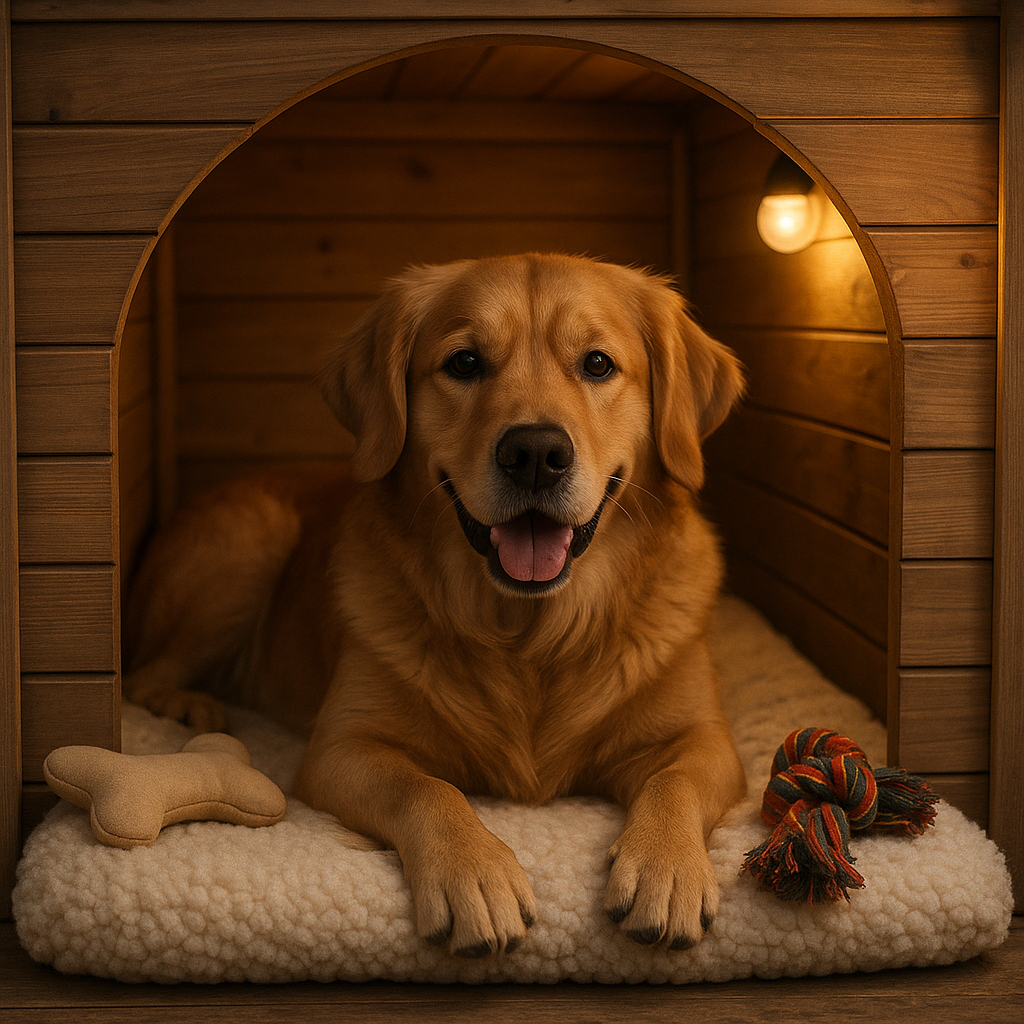
Managing Your Dog’s Stress During Vacation
Recognizing Subtle Signs of Anxiety
Distress does not always manifest through barking or agitation. You may observe:
- Unusual isolation in a corner of the kennel
- Progressive loss of appetite or digestive issues
- Compulsive licking or barking into empty space
Intervening quickly prevents these behaviors from becoming ingrained.
Techniques and Tools to Soothe Anxiety
Several devices promote relaxation:
- Soothing pheromones diffused in the kennel.
- Anti-stress bands or compression vests that mimic the effect of a hug.
- Food-dispensing toys to mentally stimulate and break boredom.
“The combination of a secure environment and a routine identical to home significantly reduces cortisol levels in dogs,” explains a behaviorist.
Frequently Asked Questions
Can a puppy stay in a kennel for more than two weeks?
A puppy remains vulnerable: its development and socialization require regular contact. It is preferable to limit the stay to a maximum of one week, possibly alternating with home care.
How to check the quality of a dog kennel?
Beyond visiting the facilities, ask about emergency protocols, staff-to-dog ratio, and offered activities. A good center communicates with you in real time and provides a daily logbook.
My dog refuses to eat, what should I do?
First check the cleanliness of their bowl and the quality of meals. Introduce natural treats or some boiled meat to stimulate appetite. If the situation persists, a veterinary visit is necessary.
Is it possible to bring my own kibble?
Yes, almost all kennels accept personal rations to limit sudden dietary transitions. Remember to maintain the same dosage and clearly indicate the feeding schedule.
FAQ
What is the difference between a kennel and dog-sitting?
A dog kennel offers professional group care, while dog-sitting is generally done at home, often better suited for anxious dogs.
How to anticipate the return home?
Plan a gentle readjustment day: calm walks, light meals, and playtime to reestablish the family routine.
Are there insurances for dog care?
Some kennels offer packages with liability insurance, veterinary coverage, and repatriation assistance in case of incident.