Each of its steps evokes rustic elegance, and each of its glances, fierce intelligence. The Altdeutscher Schäferhund, sometimes called the “old-time German shepherd,” is making a comeback thanks to enthusiasts who restore its original lines and working dog temperament. Let’s dive into the world of this soon-to-be essential breed for sporty families and lovers of classic canine beauty.
In Brief
🐾 Solid Origins: originating from traditional German breeding lines of the 19th century, the Altdeutscher Schäferhund recovers the silhouette and working scope of yesteryear, before FCI standardization.
🛡️ Muscular Physique: straight back, strict angulations, and robust bone structure. This is not a lap dog but an athlete ready to act.
🧠 Assertive Temperament: intact shepherd instinct, measured sociability, and a constant need for mental and physical stimulation.
⚕️ Care and Health: double coat, regular grooming, prevention of dysplasias, and an adapted diet to support the energy of this demanding companion.
Origins and History of the Breed
In the 19th century, German shepherds were primarily four-legged workers, employed for livestock guarding and farm protection. At that time, a rustic dog was sought, capable of covering dozens of kilometers per day.
From Traditional German Shepherds to the Altdeutscher Schäferhund
Far from modernized aesthetic standards, the Altdeutscher Schäferhund draws its roots from pre-1900 lineages. Like the “Old German Shepherd” of the era, it sports a straighter back and a less pronounced profile than subjects bred according to current FCI criteria.
Revival Thanks to Enthusiasts
In the 1980s, a handful of breeders decided to save these lineages from extinction. By rigorously selecting dogs based on their working ability and bone structure, they revived an authentic project, far from show dog dogmas.
Physical Characteristics
Size and Morphology
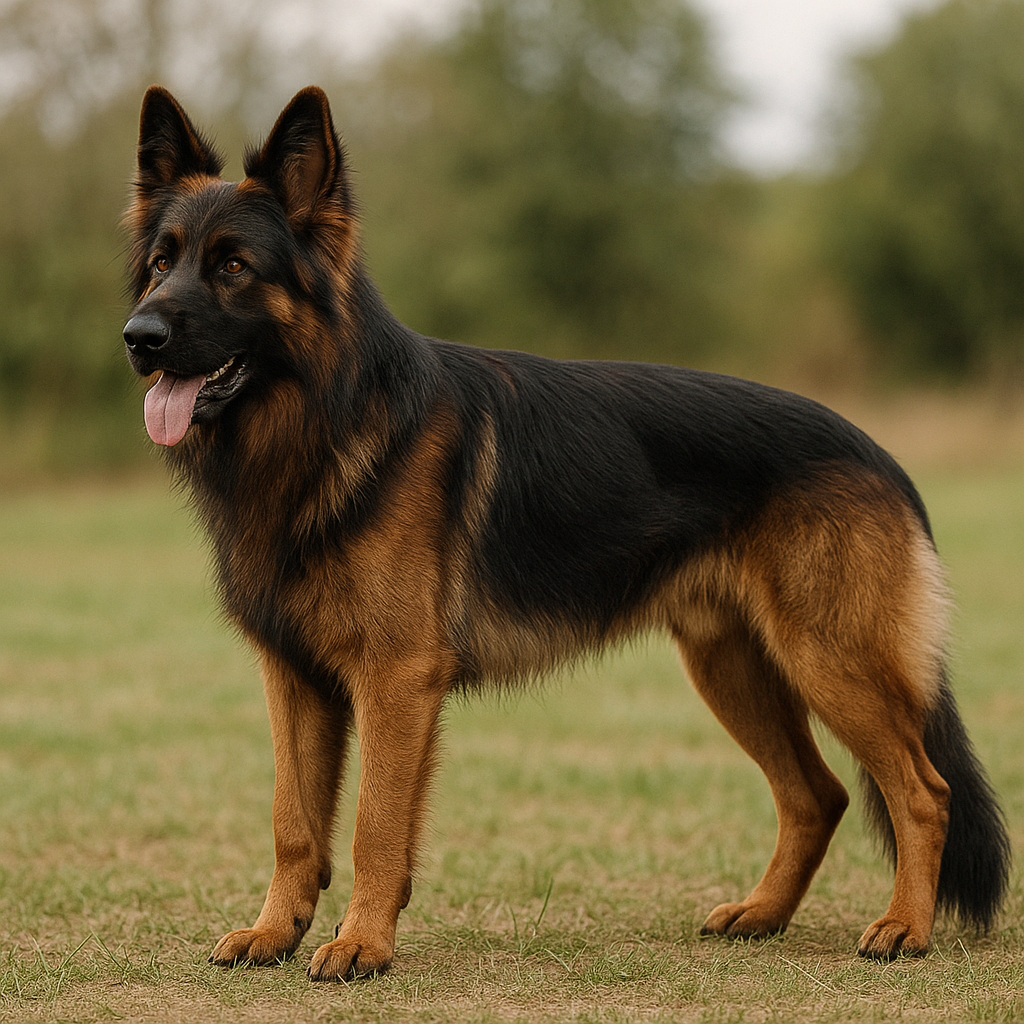
The withers generally range between 60 and 66 cm for males, 55 to 61 cm for females. Where the modern German shepherd often has a sloped back, the Altdeutscher Schäferhund remains straight and solid, evoking a more athletic and less angular appearance.
Coat and Colors
Its double coat resists rain and cold. Mostly bicolor coats are found, black and tan, sometimes sable with black shading. The head may display a dark mask, a sign of healthy pigmentation.
| Sex | Height (cm) | Average Weight (kg) |
|---|---|---|
| Male | 60–66 | 30–35 |
| Female | 55–61 | 25–30 |
Behavior and Temperament
Herding Instinct and Sociability
One might think that such a dog would be difficult to live with daily. However, well socialized from a young age, it shows a deep attachment to its pack (human or animal), while retaining its protective instinct. An active family will be its preferred environment.
Training and Stimulation Needs
The sharp intelligence of the Altdeutscher requires varied activities: obedience, agility, tracking, or simply hiking. Without mental challenges, it gets bored and may develop problematic behaviors. Train it with firmness and kindness.
Care and Health
Appropriate Diet
To support its muscle mass, prioritize kibble rich in protein (at least 25%). Include omega-3 fatty acids for coat quality and joint health.
Physical Activity and Well-being
At least 1h30 of exercise per day, divided into running, games, and walks. Without this, this working-tempered dog becomes anxious.
Predispositions to Diseases
Like any herding dog, it can suffer from hip dysplasia and digestive disorders. Regular check-ups and preventive veterinary care are essential.
Adopting an Altdeutscher Schäferhund
- Choose a breeder recognized for respecting the ancestral standard and health screenings.
- Verify the authenticity of the lineages (pedigree certificates before 1990).
- Provide a secure outdoor space and daily activities.
Training and Ideal Activities
- Advanced obedience (sport or utility level).
- Agility to channel its dynamism.
- Tracking and search for people thanks to its developed scent.
- Long-distance hikes to satisfy its taste for effort.
FAQ
- What is the temperament of an Altdeutscher Schäferhund?
- Strong and protective, it is also affectionate with its own. It requires firm education from a young age to express its best potential.
- How to care for the coat?
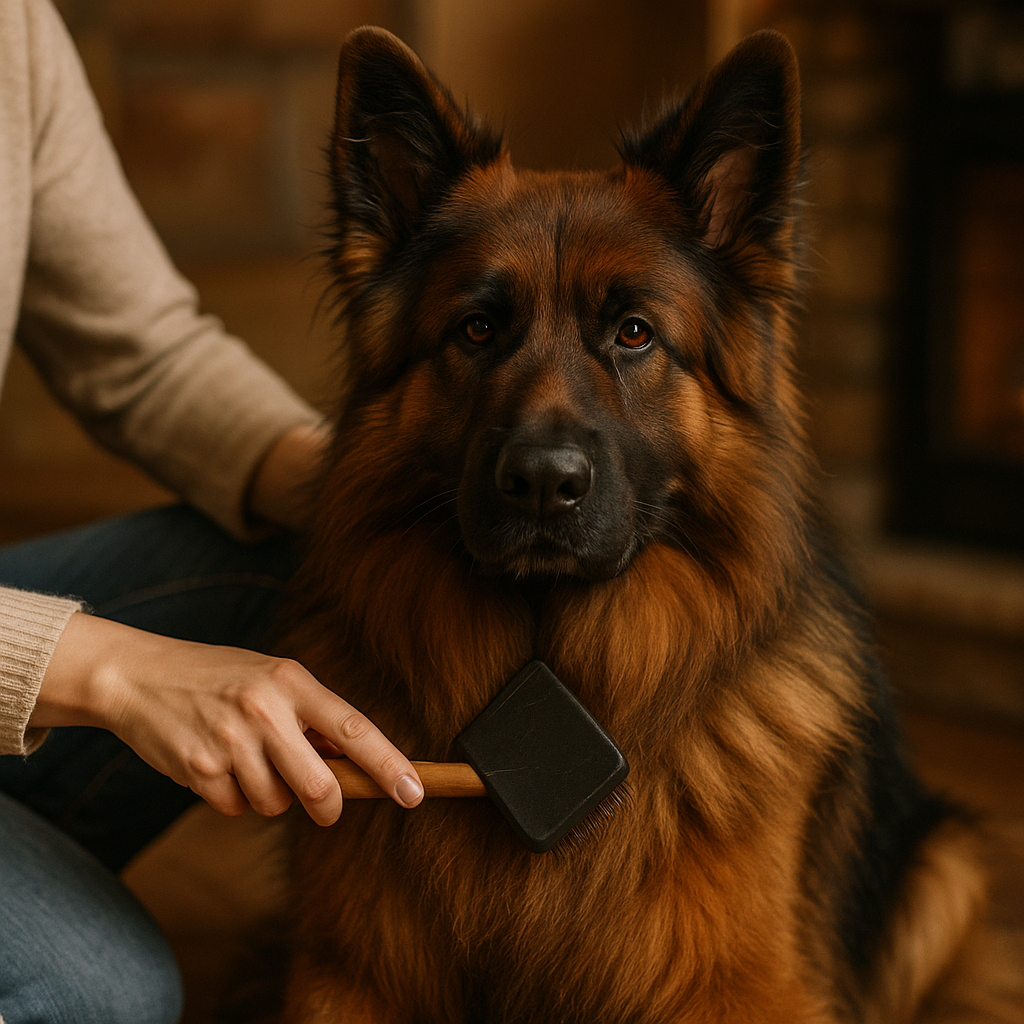
- At least two brushings per week, more often during shedding periods. Occasional baths suffice, with lukewarm water and mild shampoo.
- Can it live in an apartment?
- Better to avoid: without space to expend energy, it quickly develops anxiety and frustration.
- At what age to adopt?
- Between 8 and 10 weeks is the ideal time to socialize the puppy and lay the foundations for a balanced relationship.
- Is it suitable for a family with children?
- Yes, if educated and socialized. Its natural vigilance makes it a reliable guardian, provided rough play is not tolerated.