The German Shepherd, the quintessential working dog, fascinates with its noble appearance and exceptional intelligence. Whether engaged in security missions, rescue operations, or simply as a family companion, this versatile dog requires a nuanced understanding of its specificities. Through this article, we dissect its physical traits, educational needs, and health precautions to best support it.
🔍 Origins and role: appearing at the turn of the 20th century, the German Shepherd initially served within the police and the army before entering households. Its adaptability makes it an ideal candidate for both family life and specialized work.
💪 Main traits: athletic build, sharp intelligence, keen sense of obedience. Its balanced temperament demands constant stimulation, both mental and physical.
🧠 Education: early start, careful socialization, and positive methods are essential to avoid anxiety and robotic obedience.
❤️ Health: beware of joint dysplasia, risk of epilepsy, and nutritional imbalances. Regular monitoring and appropriate exercise will preserve its energy.
Physical characteristics and temperament
Silhouette and appearance
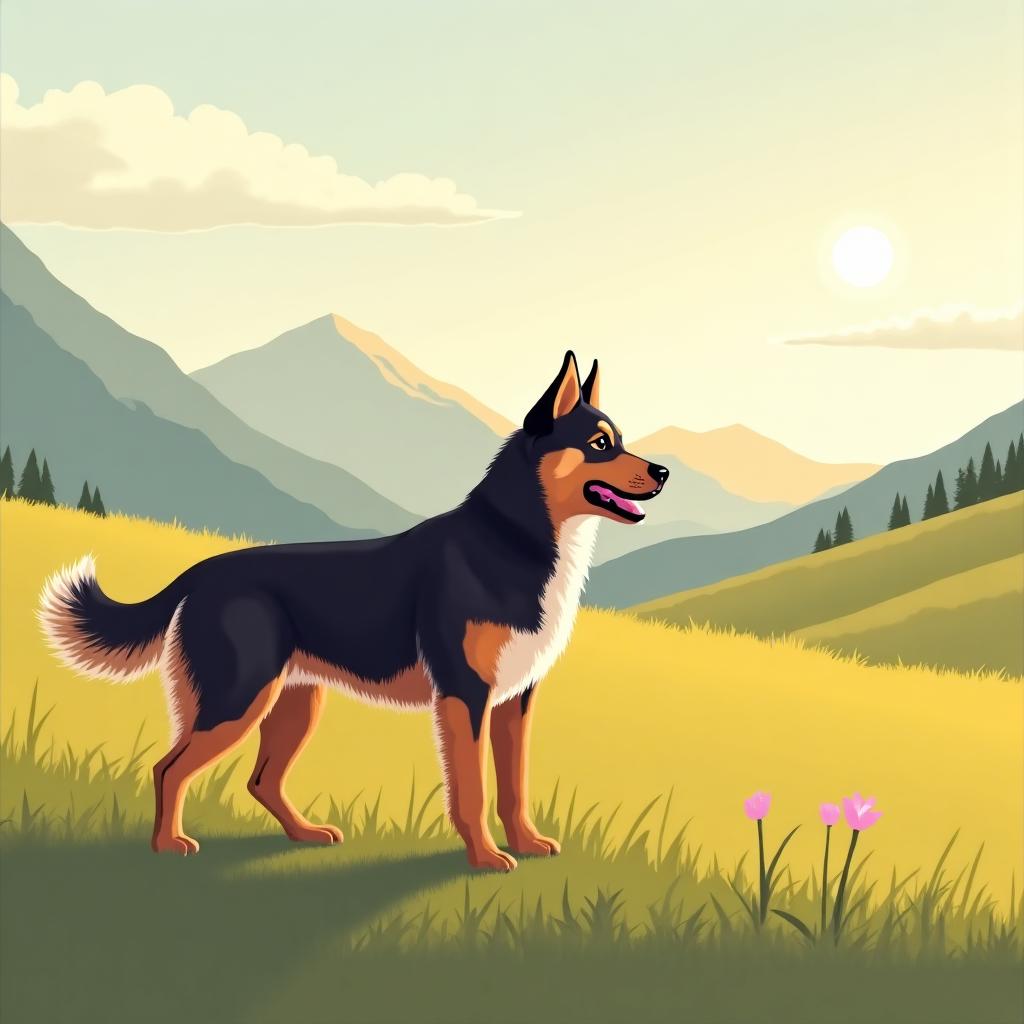
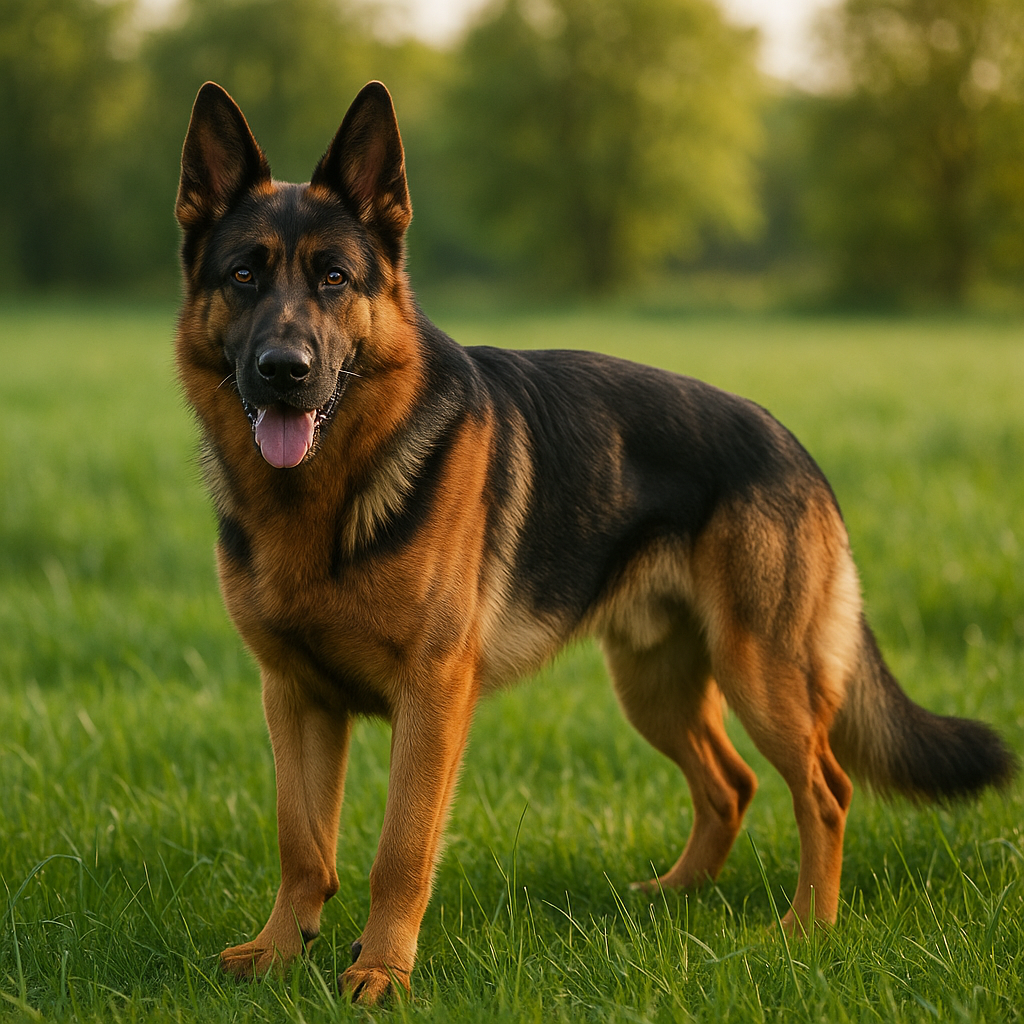
The German Shepherd stands out with a robust and slightly sloping profile. Males, often between 60 and 65 cm at the withers and weighing 30 to 40 kg, display powerful musculature without heaviness. Females, a bit lighter (55–60 cm), exude a similar elegance, sometimes more refined. The coat, dense and straight, has a thick undercoat that protects against the elements. The most common colors range from black and tan to wolf gray. When seen in motion, its lively and efficient gait recalls the precision of a finely tuned athlete.
Character and socialization
Beyond appearance, its temperament is based on a clever balance between vigilance and gentleness. Endowed with a protective instinct, the German Shepherd does not become aggressive without reason. It is cautious with strangers but quickly won over by respectful approach methods. Socialization started at a very young age helps it become familiar with varied stimuli – children, urban noises, or other dogs – and to develop measured confidence.
Education: building a balanced companion
Setting the foundations from 2 months
There is no need to wait until the puppy is weaned to start training: the period from 2 to 4 months is a window of opportunity to anchor the markers between “right” and “wrong.” The warmth of the home, first contact with the kennel, and familiarization with everyday objects (broom, doorbell, chair) are all steps to carefully manage. Each discovery must remain positive: a treat, a kind word, and a calm gesture often suffice to mark the correct choice.
Positive Reinforcement Techniques
Coercive methods have no place here. In the era of functional treats and educational toys, the German Shepherd responds better to gentle stimulation. Sessions of 10–15 minutes, peppered with small challenges (sit, lie down, recall), maintain his concentration. To avoid boredom, vary the supports: agility courses, hide-and-seek with treats, or sensory trail games. The icing on the cake, these activities strengthen the emotional bond and make learning a shared moment.
Socialization and Confidence
Meeting strangers, getting into a car, being around children or other dogs: the German Shepherd must get used to each new experience. To broaden his field of confidence, organize walks in urban and rural environments, alternating quiet areas and busy places. Like the Golden Retriever, this gradual warm-up avoids stress and promotes calm sociability.
| Dog’s Age | Learning Objective | Recommended Duration |
|---|---|---|
| 2–4 months | Exploration and basic landmarks | 10–15 min/day |
| 5–8 months | Obedience and simple commands | 15–20 min/day |
| 8 months and older | Agility and advanced tasks | 20–30 min/day |
Health and Well-being
Monitoring Sensitive Points
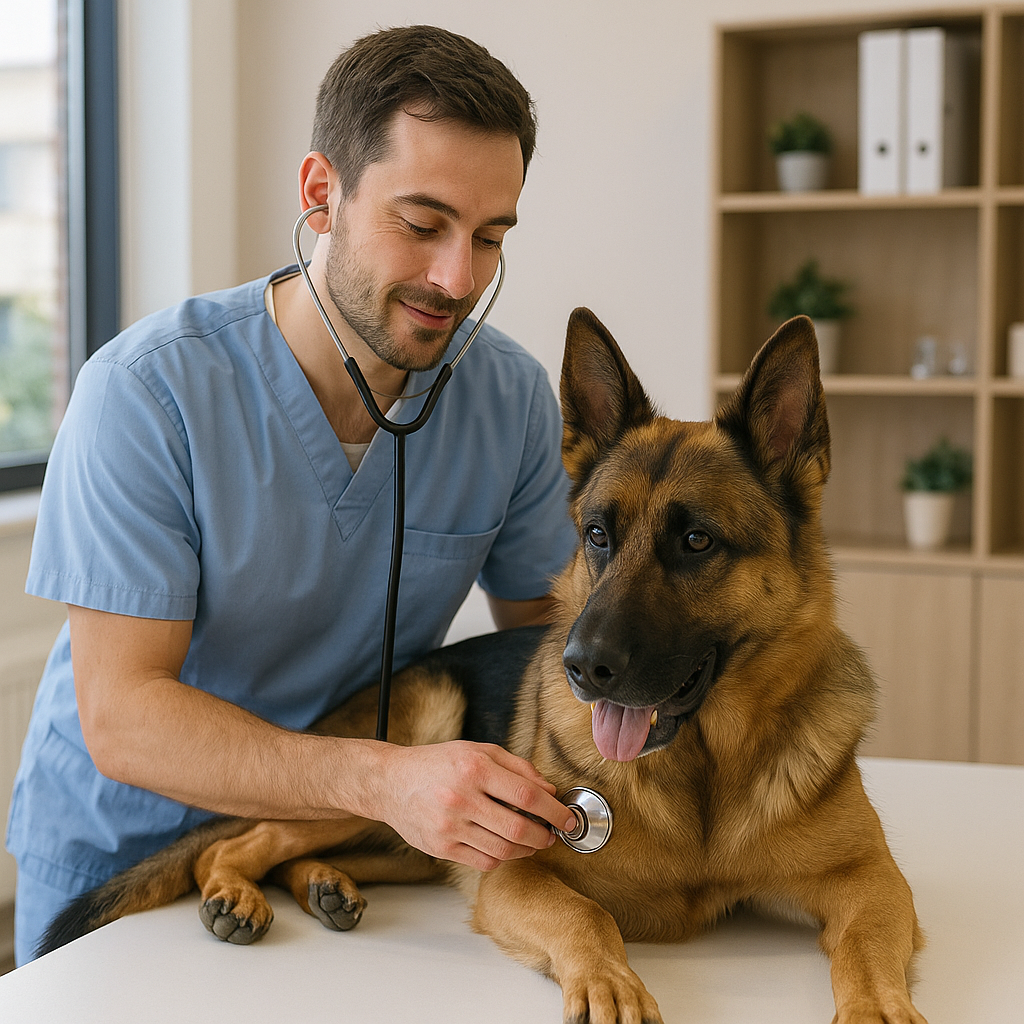
At the top of concerns is hip dysplasia. This hereditary joint disorder requires veterinary examinations before purchasing the puppy and regular follow-up. Epilepsy and certain heart conditions, although rarer, justify an annual check-up including cardiac ultrasound and neurological tests if seizures appear.
Nutrition and Exercise
A calibrated ration, respected growth cycles, and adapted activities make up a solid health program. The German Shepherd loves to run, fetch objects, and even swim. A minimum of 1 hour of daily exercise, split into two outings, prevents boredom and obesity. On the food side, prioritize a high-quality protein intake, adjusted according to age, sex, and activity level. Offer supplements rich in omega-3 and chondroprotectors if the animal works intensively.
FAQ
- What temperament does a German Shepherd have?
Protective, loyal, and intelligent, he is sociable if accustomed early to humans and everyday noises. - At what age should training start?
From 2 months to establish landmarks and confidence. It is beneficial to split sessions and stay positive. - Which veterinary care should be prioritized?
Complete annual check-up with focus on hips, elbows, heart, and neurology as soon as signs of discomfort appear.