Adopting an Altdeutscher Schäferhund means embracing an old temperament — heavier in character and often less standardized than the modern German shepherd. This dog combines a working history, strong social intelligence, and morphological traits inherited from ancient lines. If you dream of a loyal and versatile companion, you must first understand realities that often surprise new owners: health, behavior, exercise needs, and implications related to genetic selection. Here I offer you a frank and documented guide, the result of years of observation and exchanges with breeders and veterinarians, to prepare for the arrival of your future companion with full knowledge of the facts.
In brief
🐾 Origin and temperament: the Altdeutscher Schäferhund is an “old-style” German shepherd, often more robust and with a more pronounced character than the modern variety.
🏃♂️ High exercise needs: plan at least 1h30 to 2h of structured daily activity (work, games, outings) to avoid destructive boredom.
🩺 Health and selection: monitor dysplasia, longevity, and origin: genetics play a key role in future behavior and health.
What you need to know before adopting
Choosing an Altdeutscher Schäferhund means accepting a form of canine authenticity. These dogs are often selected for working abilities rather than a “show” look. The result: more energy, more protective instincts, and sometimes more independence. For families seeking a calm and very docile dog without regular stimulation, this is not always the right choice.
Before signing an adoption contract, ask to see the parents, health history, and behavior in situations. A good breeder will explain the lineage, the health tests performed (notably hips and elbows), and present the puppy in a socialized environment. If these elements are missing, be wary: neglected selection quickly turns beautiful promises into behavioral problems or costly veterinary pathologies.
10 surprising things
Here are ten concrete points — some technical, others practical — that almost all new owners discover on the fly. Each point contains advice to anticipate and act.
1. Sociability must be worked on early and constantly
Contrary to the received idea that “all shepherds adapt naturally,” the Altdeutscher requires progressive and repeated socialization: noises, children, other dogs, vehicles. An unsocialized puppy can develop marked mistrust towards strangers. Short and positive sessions will be favored, from the first weeks, respecting vaccination protocols and under the supervision of a trainer if needed.
2. It’s not just a pet dog: it’s a worker
Many Altdeutscher descend from herding, guarding, or tracking lines. If you do not provide mental activity (scent games, varied training, canine sports), boredom will manifest through destruction, barking, or over-excitement. Incorporate positive reinforcement, playful tracking, and obstacle courses into the weekly schedule.
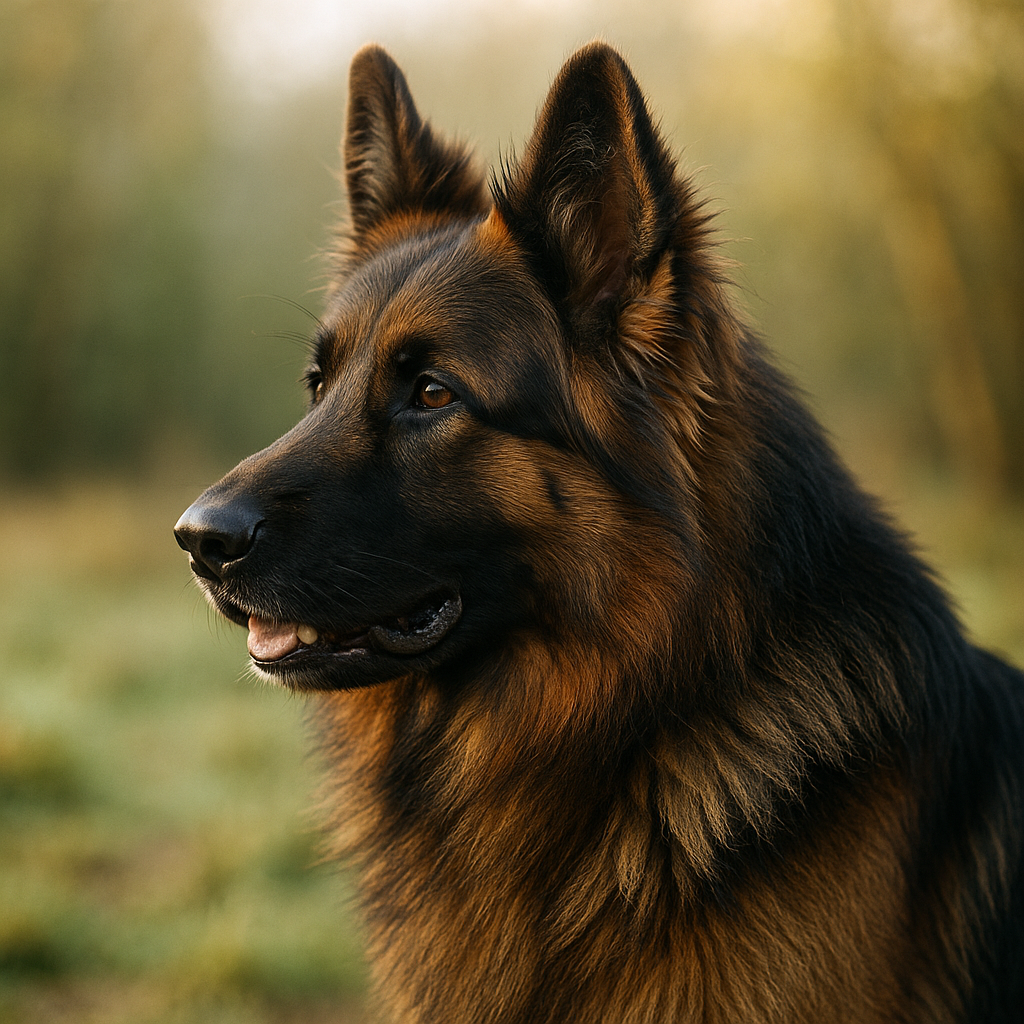
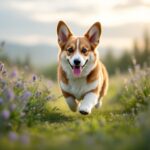
Prompt image 1 (see metadata below): realistic portrait of an Altdeutscher Schäferhund in profile, dense coat, natural outdoor environment, soft light, photographic rendering.
3. Physical structure varies — beware of generalizations
One often imagines a standardized German Shepherd. However, the Altdeutscher shows variations: sometimes heavier bone structure, rich fur, and different joint angles. These differences affect locomotion and predispositions to certain joint diseases. An orthopedic veterinary exam and radiological follow-up (if necessary) are prudent steps.
4. Longevity and health are not bought, they are selected
A puppy from a conscientious breeder who screens for hereditary diseases is an investment in longevity and quality of life. Request orthopedic and eye certificates, screening for known genetic diseases, and the history of litters. Sometimes, paying a bit more for a controlled lineage considerably reduces future risks.
5. Intelligence can be a challenge if not channeled
These dogs learn quickly. That’s good news — until intelligence is used to manipulate the environment (opening doors, diverting attention). Clear rules, a consistent framework, and short but frequent obedience sessions help direct this intelligence toward useful and satisfying behaviors.
6. They often retain a very strong protective instinct
An Altdeutscher can be naturally protective of its home and family. This trait is valuable when controlled, dangerous when excessive. Desensitization work, recognizing early aggression signals, and consulting a behavioral trainer are tools to transform vigilance into a proportionate response.
7. Grooming requires time depending on the season
The double coat means regular brushing, especially during shedding periods. Neglected maintenance leads to mats and skin problems. At home, weekly brushing and more frequent sessions in spring and autumn are often sufficient, complemented by professional grooming if necessary.
8. Hereditary behaviors sometimes appear late
Predispositions such as attention to the herd, wariness toward certain stimuli, or high energy can reveal themselves after several months, sometimes in adulthood. That is why continuous observation and adaptation of training methods are essential: a minor problem at eight months can become a major constraint if ignored.
9. Relationship with other animals is not automatic
Coexistence with cats, rodents, or poultry requires a gradual and supervised introduction. Their tracking instinct can be triggered: establishing rules and learning tolerance are prerequisites for lasting harmony.
10. The total cost often exceeds the purchase price
In addition to the price of the puppy, consider vaccines, sterilization/identification, quality food, orthopedic follow-up if needed, training, and accessories. A simple table summarizes the major items:
| Item | Indicative annual cost | Reason |
|---|---|---|
| Quality food | €500 – €900 | Muscle maintenance and joint health |
| Veterinary care | €200 – €800 | Vaccines, check-ups, possible pathologies |
| Training & activities | €150 – €600 | Classes, canine sports, equipment |
Recommended practices for a good start
To turn these challenges into assets, here is an operational roadmap: health tests before adoption, socialization plan, daily exercise routine, mental work, and professional network (breeder, veterinarian, trainer). As a dog trainer with a decade of experience, I recommend an initial assessment with a behaviorist if you adopt an adult dog whose history is incomplete.
- Routine: split walks + structured play
- Positive reinforcement: favor food and social rewards
- Prevention: orthopedic screening and weight management
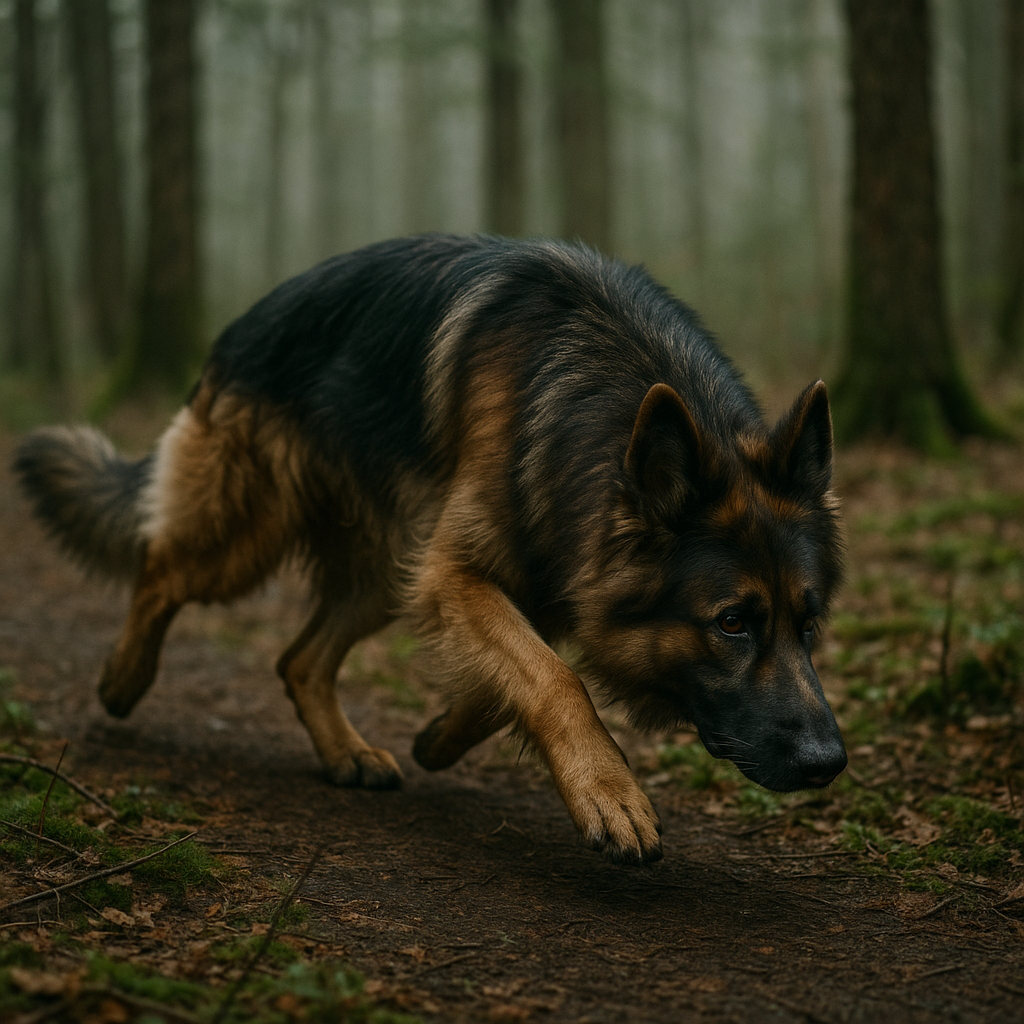
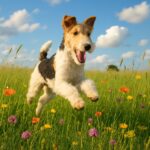
Prompt image 2 (see metadata below): Altdeutscher Schäferhund in motion during a tracking exercise in a wooded environment, focused expression, dynamic photographic rendering.
Quick comparison: Altdeutscher vs Modern German Shepherd
A summary table often helps grasp the essential distinctions without caricature:
| Criterion | Altdeutscher Schäferhund | Modern German Shepherd |
|---|---|---|
| Selection | Work-oriented, more varied | Often oriented towards show and morphology |
| Energy | Very high | Variable, often high |
| Independence | More marked | Often more adaptable |
FAQ
What is the ideal age to start socialization?
The critical window is between 3 and 14 weeks, but socialization should continue until adulthood. Start early, but adapt the diversity of encounters to the vaccination status.
Is the Altdeutscher suitable for apartment living?
It is possible only if you compensate with intense exercise and daily mental activities. Without this, city life quickly becomes problematic.
Should we talk about genetic hyperspecialization?
Excessive selection for appearance has sometimes introduced fragilities in certain lines. Look for breeders who prioritize health, temperament, and genetic testing.
Which sport should be favored?
Tracking, sport biting (practiced safely and supervised), agility, and scent work are particularly suited to this type of dog.
How to prevent dysplasia?
Parental checks, adapted diet to avoid overweight, and moderate exercise during growth reduce risks. Screening X-rays of the parents are a reliable indicator.