The Appenzeller Sennenhund is that Swiss dog both robust and mischievous: firm in its appearance, but incredibly lively in its actions. Born to guard herds and help with farm work, it has retained this need for activity and stimulation that surprises city dwellers and delights enthusiasts of active dogs. Here, we decode its character, daily needs, pitfalls to avoid, and tips for living a rich and harmonious daily life with this bicolor companion — without sugarcoating the real demands of the breed.
In brief
🐾 Origin: Swiss herding dog, bred for outdoor work and guarding — compact silhouette, athletic appearance.
⚡ Energy: Significant daily need — minimum **1 to 2 hours** of physical and mental activity to remain balanced.
🧠 Temperament: Intelligent, independent, sometimes stubborn — requires consistent training and early socialization.
✂️ Care: Short to medium-length coat, simple but regular grooming; attention to joints and controlled diet.
Origins and physical characteristics
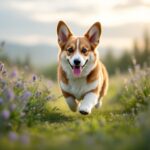
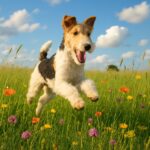
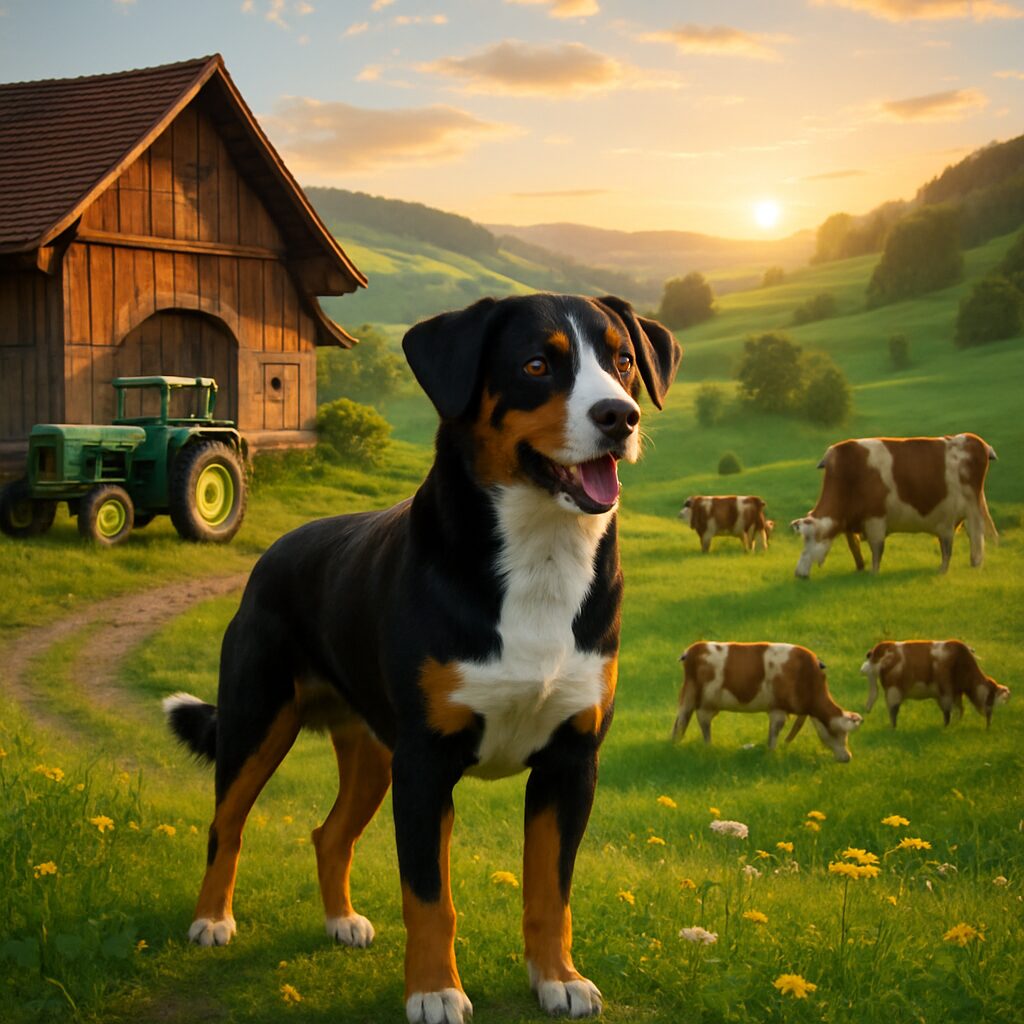
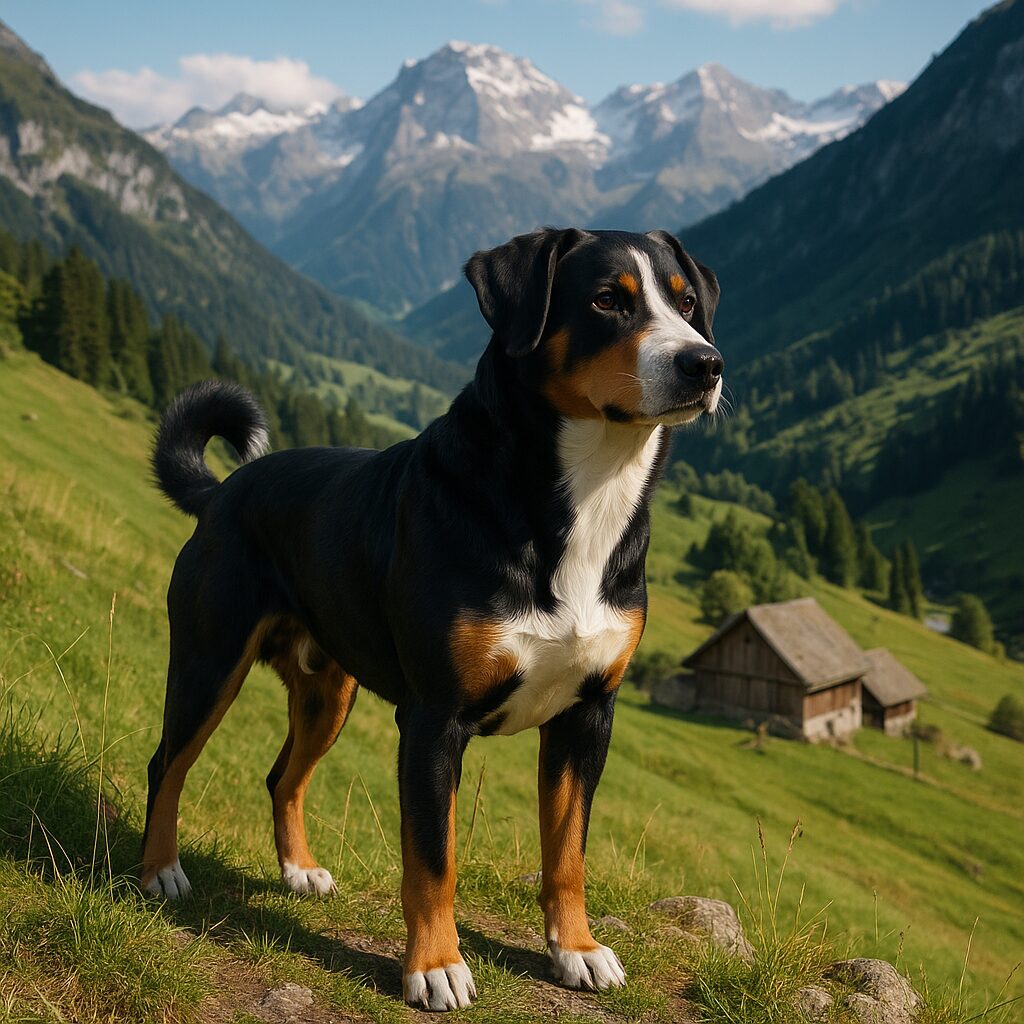
The Appenzeller Sennenhund finds its roots in the Appenzell region of Switzerland, where it served as a versatile assistant: guardian, shepherd, and farm companion. Its medium size, tricolor coat, and compact musculature give it the appearance of a dog ready for action. Notice its clear reddish markings on a black and white background, an expressive face, and semi-erect ears that give it an alert look without being aggressive.
Standards and physique
In terms of size, the male generally measures between 50 and 56 cm at the withers, the female slightly less. Weight varies according to physical condition but remains moderate: the goal is a muscular dog without heaviness. Its conformation favors endurance rather than explosive speed: it can sustain active days, not just isolated sprints.
Behavior and temperament
What immediately strikes is the constant curiosity and willingness to participate. The Appenzeller is not a dog that is content to wait: it wants to understand, act, be useful. This results in a loyal companion, sometimes cautious with strangers, but generally balanced if socialized young. Caution: independence can seem like stubbornness. Training must be firm but kind, with clear rules.
Education and activity needs
Appenzeller education relies on consistency. It learns quickly when the message is clear: targeted rewards, short sessions, and above all variation in exercises to avoid boredom. Classic walks are not enough: enrich with search games, agility courses, and specific tasks at home — carrying a bag, monitoring an area, fetching an object. These small responsibilities make it calmer.
Recommended activity program
- Morning: 30–45 minute outing with recall or fetch game.
- Afternoon: mental activity (intelligence games, learning tricks) 20–30 minutes.
- Evening: calm walk, socialization or dog meeting depending on temperament.
| Type of activity | Duration | Objective |
|---|---|---|
| Running/trek | 45–90 min | Endurance and physical expenditure |
| Agility/obedience | 30–60 min | Concentration and energy channeling |
| Scent games | 15–30 min | Non-visual mental stimulation |
Health, nutrition and grooming
Robust breed, but as with all active dogs, certain points deserve attention. Joints must be preserved during growth: avoid high-impact exercises in puppies. Nutrition must support the effort: quality proteins, caloric intake adapted to activity level, and weight control to limit pressure on the joints.
Common health issues
- Risk of hip dysplasia — screening recommended for breeding dogs.
- Occasional eye problems — monitoring and regular veterinary visits.
- Sensitivity to sudden dietary changes — gradual transitions advised.
Grooming and maintenance
The Appenzeller’s coat is practical: weekly brushing, more frequent during shedding periods. Occasional baths — no more than necessary — and regular checks of ears and nails. The most rewarding care remains prevention: keep paws clean and check the condition of the pads after outings on rough terrain.
Living with an Appenzeller: family and housing
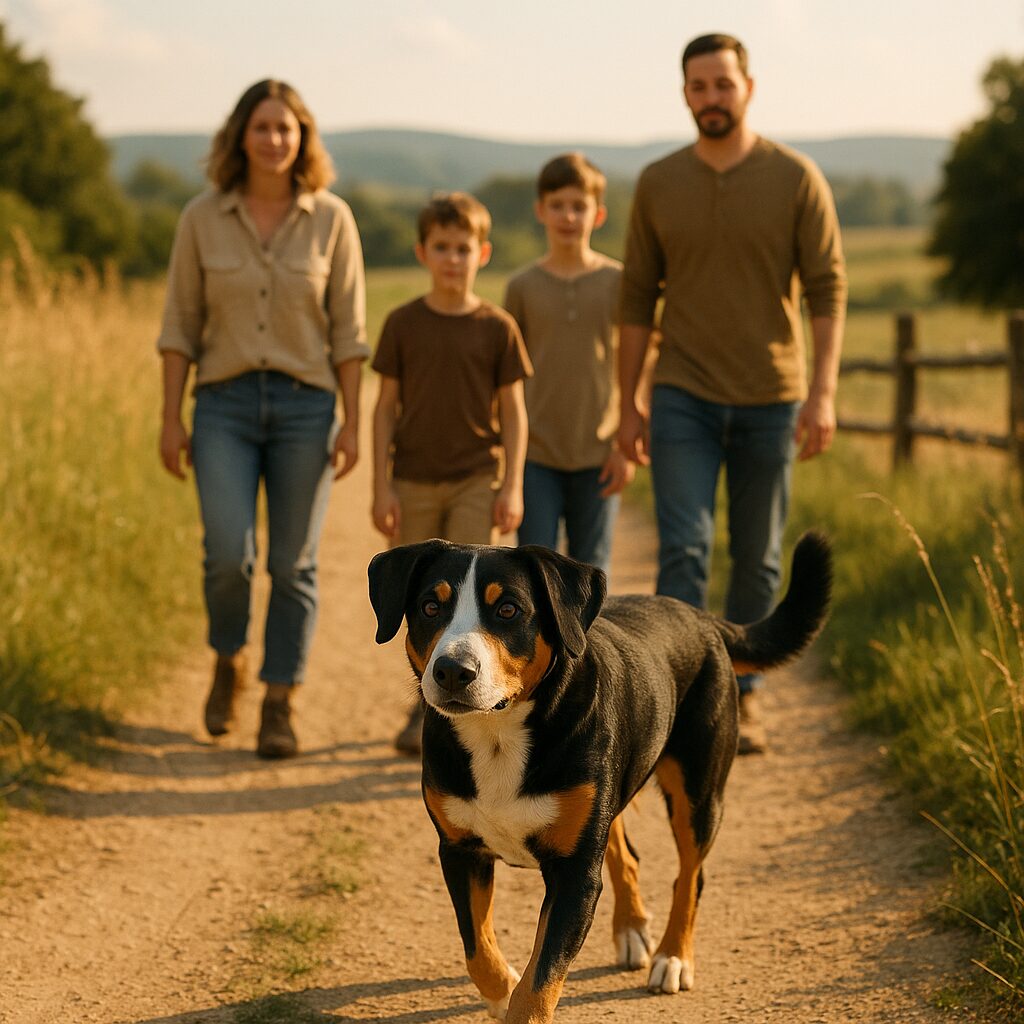
One might think this dog is only suited for the farm; in reality, it can adapt to house living if its needs are met. The ideal environment remains a property with a secure outdoor space. In an apartment, this must be compensated by very strong physical and mental stimulation, which is not within reach of all households.
Compatibility with children and other animals
Well socialized, the Appenzeller is often playful and protective towards children. However, its liveliness can be too rough for unsupervised toddlers. With other dogs, it can get along if the introduction is gradual; with small animals, predation is not a rule but requires caution.
Breeder’s tip: introduce new sounds and people from a very young age — socialization often makes the difference between a balanced dog and an overstimulated dog.
Adopting or buying: decisions to make
Choosing an Appenzeller involves looking beyond the visual crush. Favor a responsible breeder who tests the breeding dogs and offers follow-up. Ask to see the parents, health certificates, and the puppy’s socialization. Adoption from a shelter is possible, but the activity requirement must remain realistic: avoid impulsive purchases.
Questions to ask the breeder
- Health history of the parents (dysplasia, eyes)
- Socialization conditions of the puppies
- Nutritional advice and sales contract
Advanced training and recommended activities
To exploit the Appenzeller’s capabilities, consider canine sports: agility, obedience, herding work if accessible, or even canicross. These practices help channel energy and strengthen the human-dog bond. Training based on positive reinforcement, complemented by clear rules, will produce the best results: a motivated dog learns much better than a dog that suffers.
Exercise Examples
- Modular agility course: 15–20 minutes alternating obstacles and breaks.
- Scent games outdoors: hide treats, gradually increase difficulty.
- Recall in varied terrain: reinforce reliability at a distance.
FAQ
Here are the answers to the most frequently asked questions to help you decide if this breed is really right for you.
- Q: Is the Appenzeller suitable for beginners?
A: Rather not. Its liveliness and need for guidance require some training experience and significant availability. - Q: How much exercise per day?
A: At least 1 hour of sustained effort, ideally 1.5 to 2 hours including mental stimulation. - Q: Does it shed a lot?
A: Noticeable seasonal shedding, simple but regular grooming required.