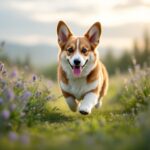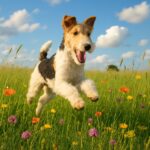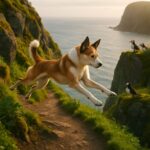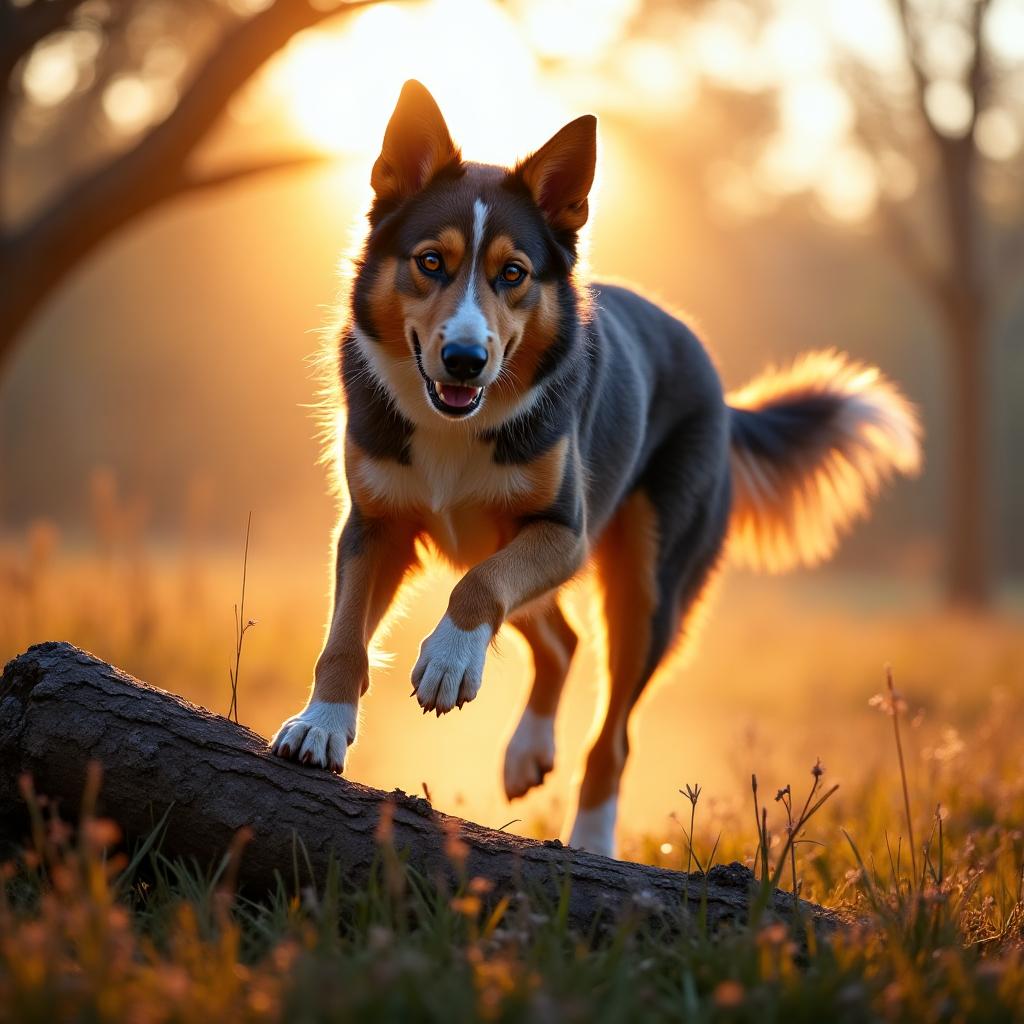
The Australian Shepherd is not the lounging type: born from the American pastoral world, he overflows with energy and demands a lively life. Between physical effort and mental stimulation, understanding his activity needs is the key to avoiding boredom, frustration, and undesirable behaviors. Follow the guide to turn every walk, play session, or training into a real pleasure, both for you and your four-legged companion.
🐕 Very lively breed requiring on average 1h30 to 2h of daily exercise, including walks, runs, and games.
🚀 Mental stimulation just as vital: kibble puzzles, tricks to learn, or canine sports.
🎯 Ideal weekly program mixes long walks, agility sessions, hikes, and fun training sessions.
⚠️ Risk of burnout in case of under-activity: stress, destruction, and behavioral changes.
Understanding the Energy of the Australian Shepherd
A Naturally Dynamic Breed
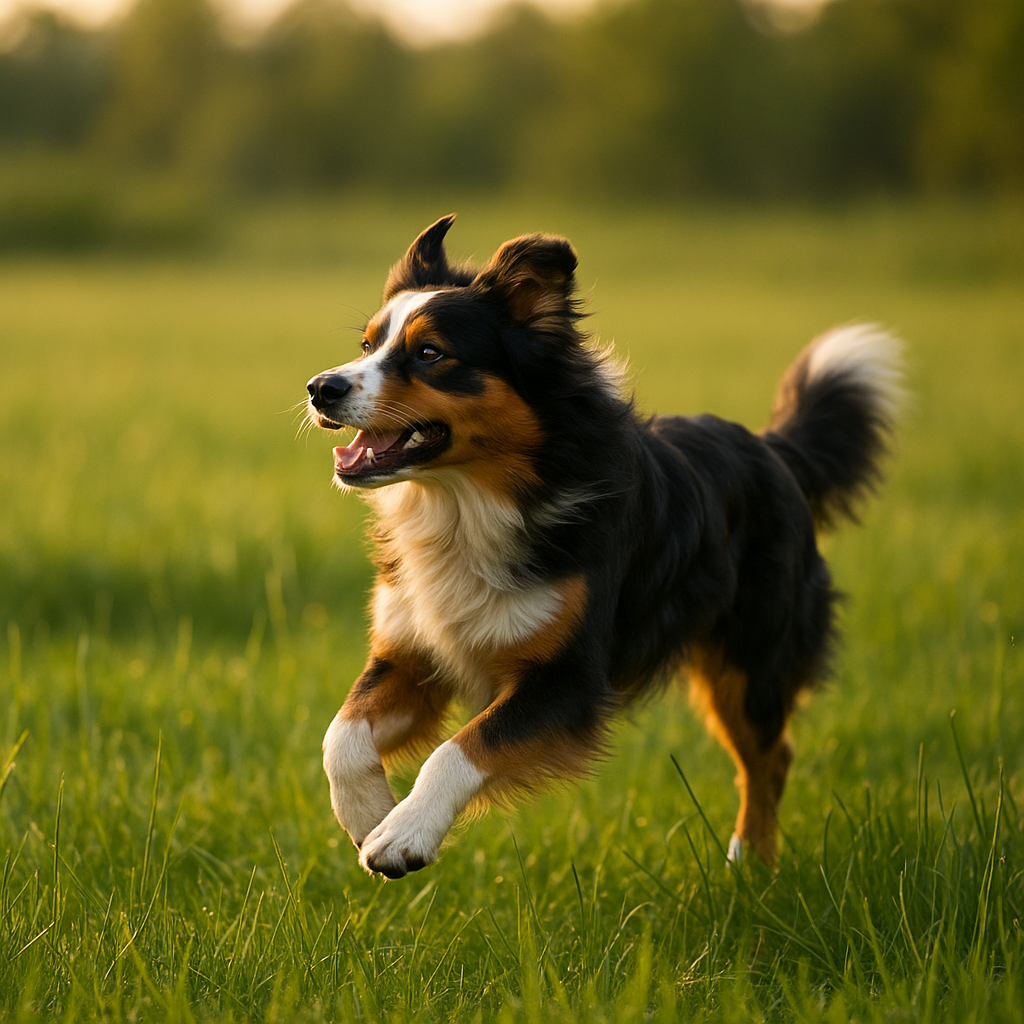
The Australian Shepherd, descended from pastoral worker lines, is above all a working dog. His athletic physique, bright eyes, and alert gait reflect a true thirst for effort. Unlike some companion dogs, such as the French Bulldog who often settles for a simple quiet walk, the Aussie longs to run, jump, and explore without restraint. His origins have shaped him for full days of activity, and sitting in front of the television will hardly excite him.
Need for Mental Stimulation
Beyond physical effort, the Australian Shepherd has a brain in constant motion. When not engaged, he will find ways to occupy himself… often by chewing your furniture, digging in the garden, or barking for no reason. Puzzle games, tricks to learn, and obedience activities are all opportunities to channel his intelligence and strengthen the bond with his owner.
The Different Recommended Types of Activities
Physical Exercises: Running, Hiking, Agility
To expend the Aussie’s athletic energy, variety is essential:
- Running: at a moderate pace or interval training to develop endurance.
- Hiking: hours of walking in nature, varied terrain, and obstacles to overcome.
- Agility: sequences of hurdles, slalom, and tunnels stimulate both body and mind.
- Canicross or biking: under supervision, the dog harnessed allows sharing the effort.
Each of these canine sports should be introduced gradually, especially if your companion is not used to them. Warm-up, intensity transition, and hydration are essentials.
Cognitive Stimulation: Games and Learning
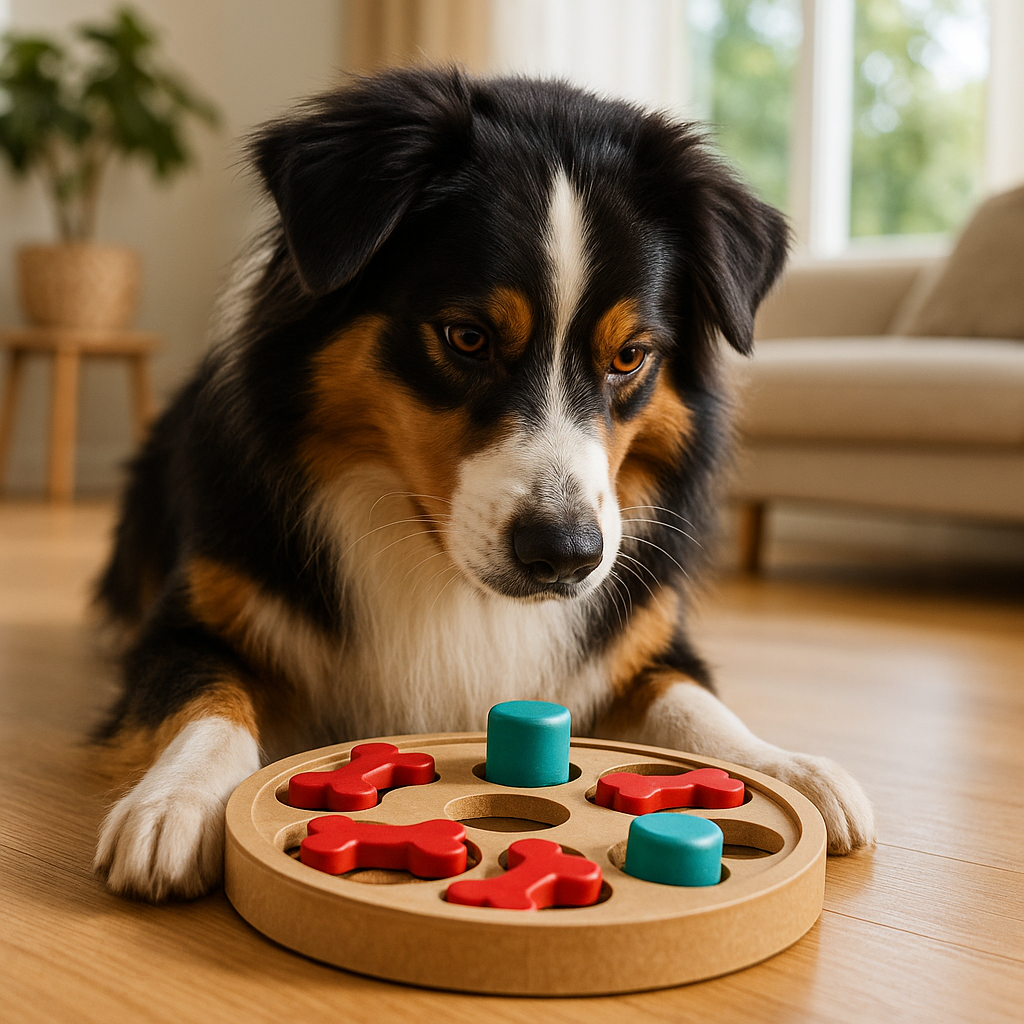
Brain games are a secret weapon to mentally tire out an Australian Shepherd. Examples include:
- Food puzzles where the dog must extract its kibble.
- Hide and seek: requires a quick recall and sharpens its scenting ability.
- Scent games: mats or boxes to search through.
- Complex tricks: greeting, spinning in a circle, lying down, or fetching a specific object.
This balance between mental effort and physical activity prevents boredom and behavioral problems.
Integrating Activity into Daily Life
Routine and Consistency
An Australian Shepherd thrives with a stable schedule. Plan fixed times for your outings, agility sessions, and brain games. Respecting these time slots strengthens the dog’s confidence and reduces anxiety. Even a simple trip to the park becomes a reassuring ritual.
Adapting According to Age and Temperament
A young puppy does not require the same effort as a two-year-old adult: bone growth requires limiting repeated jumps before 12–18 months. Conversely, a senior will need shorter but more frequent walks, as well as gentle stretching exercises to preserve mobility.
Risks Related to Lack of Exercise
Deprived of physical and intellectual discharge, the Australian Shepherd quickly develops problematic behaviors: excessive barking, destructive chewing, running away, or constant nervousness. Over time, this unchanneled stress can even lead to more serious disorders (canine depression, aggression). Prevention is always better than cure.
Examples of Weekly Activity Schedule
| Day | Morning | Afternoon | Evening |
|---|---|---|---|
| Monday | 30 min walk | Hide and seek game | Learning a new trick |
| Tuesday | 20 min jogging | Rest or petting | 20 min walk |
| Wednesday | Agility (45 min) | Scent game | Leisurely walk |
| Thursday | Short hike 1 h | Quiet time | Indoor fetch |
| Friday | Light bike run | Obedience training | 30 min walk |
| Saturday | Long hike 2–3 h | Well-deserved rest | Free play in the garden |
| Sunday | Discovery walk | Cognitive stimulations | Calm moment |
FAQ
- What is the ideal duration of daily activity?
- Count between 1 hour and 2 hours per day, depending on your dog’s age and physical condition.
- Can agility be practiced from 6 months old?
- Yes, but limit heights and frequency to avoid compromising bone development.
- How to stimulate the mind without specific equipment?
- Opt for hide and seek games, varied commands, or simply searching for scattered objects.
- Can an Australian Shepherd live in an apartment?
- It is possible provided you multiply long outings and offer daily mental challenges.