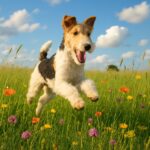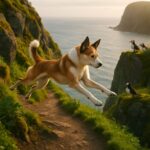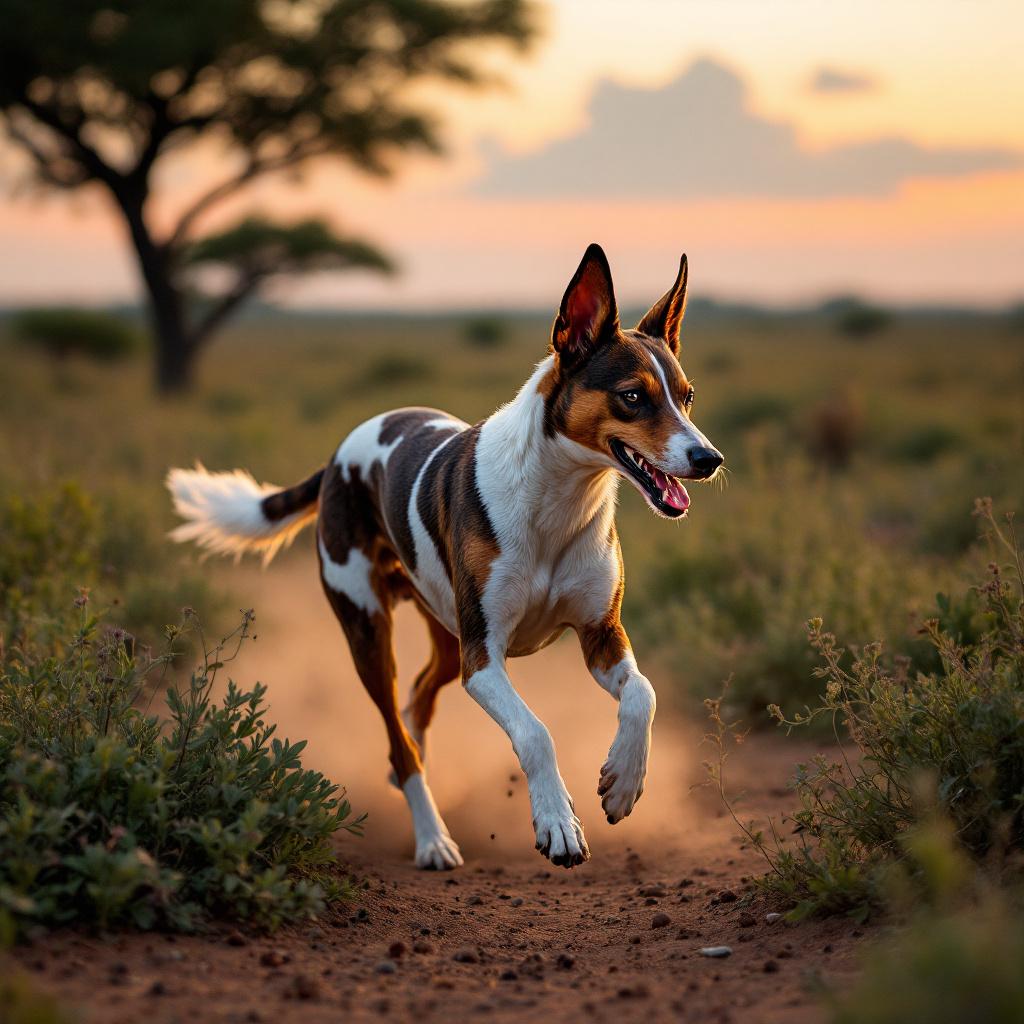
Originating from Central Africa, the Basenji intrigues with its feline appearance and its famous « song » rather than barking. This medium-sized dog, with erect ears and a curled tail, combines the qualities of an elegant and intelligent companion. Yet, behind this elegance lies a temperament that is both independent and sensitive, requiring a nuanced approach from its owner.
🐾 African origin: the Basenji descends from Bantu hunting lines, which explains its fine musculature and exceptional agility.
🎯 Unique temperament: this dog does not bark but emits a guttural cry, a result of a particular vocal anatomy.
🛁 Minimal care: its short coat limits grooming needs while requiring regular attention to avoid skin irritations.
🎓 Demanding training: a Basenji learns quickly but can be puzzling for an impatient owner; the key lies in consistency and positive reinforcement.
Origin and history
A dog from Africa
The oldest representations of the Basenji date back to ancient Egypt, where canine sculptures with trapezoidal-shaped muzzles can be found. Later exported to Europe, it was first observed by English explorers in the Congo region, where it served as a hunting companion, silently tracking small game and rodents.
Modern rediscovery
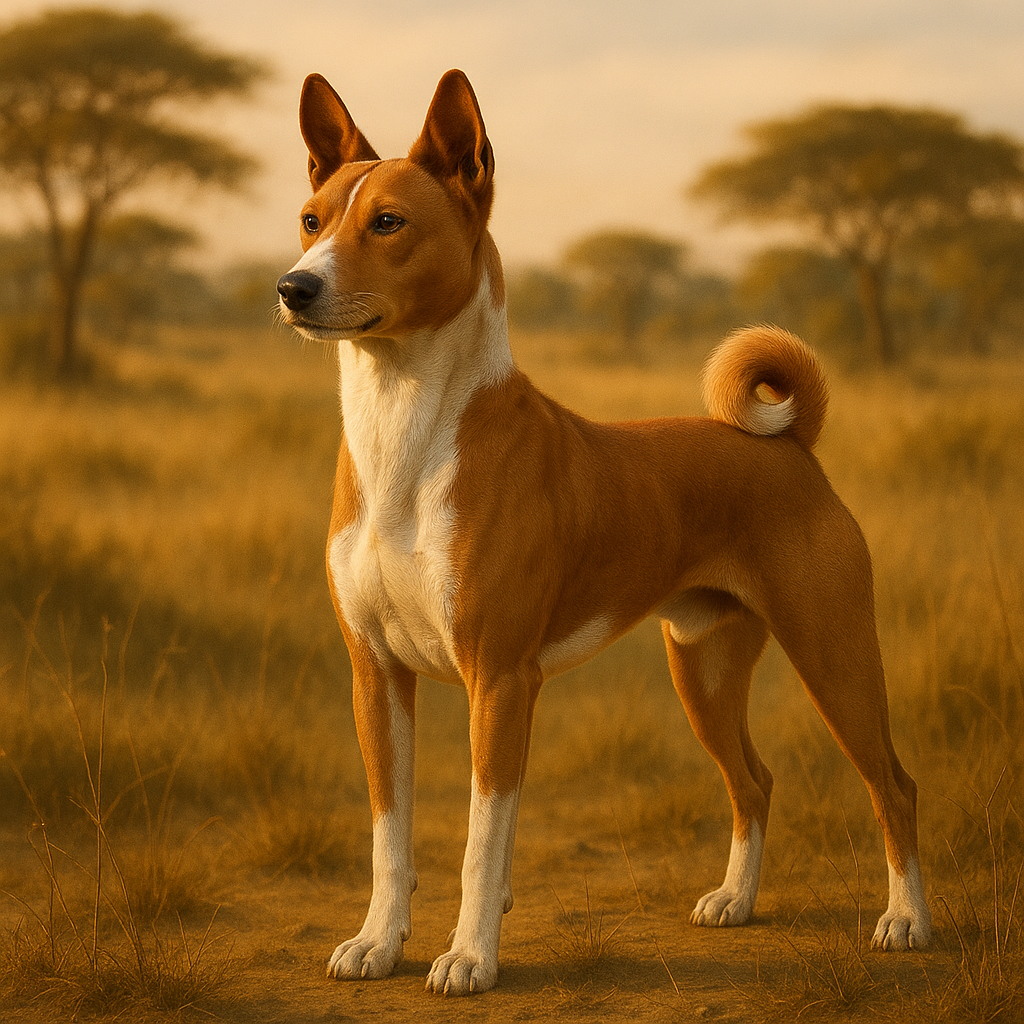
At the beginning of the 20th century, English enthusiasts imported a few specimens to England to preserve the breed, considered threatened with extinction. The first rigorous selections shaped the current standard: size between 40 and 43 cm, solid or bicolor coat, and especially that curled tail that gives it all its charm.
Character and temperament
An independent spirit
Rather than loving orders to the letter, the Basenji favors its intuition. Therefore, you will have to deal with a dog that sometimes likes to « do things its own way ». Far from being stubborn for no reason, it thinks before acting, which can result in moments of hesitation when facing an obstacle or a new learning experience.
Sensitivity and attachment
Despite its independence, this little hunter develops a strong bond with its home. In the prolonged absence of its owner, it may show signs of anxiety or sadness. The stability of the living environment and routines reassures this sensitive dog: a detail to consider if your schedule is busy.
Care and health
Care and grooming
- Occasional bath with a mild shampoo to preserve the skin’s hydrolipidic film.
- Light brushing once or twice a week to remove dead hairs and dust.
- Regular checking of the pointed ears to prevent any infection.
Thanks to its short coat, the Basenji tolerates heat well but fears severe cold: a cover or suitable coat may be necessary in winter.
Medical predispositions
| Pathology | Description | Prevention |
|---|---|---|
| Fanconi Syndrome | Hereditary kidney disease affecting renal reabsorption. | Genetic screening, regular veterinary follow-up. |
| Hypothyroidism | Decrease in hormone production, possible muscle wasting. | Annual blood test, supplementation if necessary. |
| Hip dysplasia | Abnormal joint development, limping. | Moderate exercise, weight control. |
Feeding and nutrition
As an active dog, the Basenji requires a measured ration, adapted to its age and activity level. Favor high-quality kibble rich in animal proteins and low in cereals, or a BARF diet under veterinary supervision.
- Puppy: 3 to 4 meals per day to support growth.
- Adult: 2 meals per day, at fixed times to avoid digestive disorders.
- Senior: lightened diet, possible joint supplements.

Training and activities
Training techniques
Basenji learning is based on patience and positive reinforcement. With him, choke collars or coercive methods are counterproductive. Prefer:
- Tasty and playful rewards.
- Short sessions, 10 to 15 minutes, to maintain his attention.
- A regular rhythm and varied exercises to stimulate his intellect.
Games and stimulation
This dog loves free running and agility courses where he uses his scent and agility. A daily session of at least 30 minutes is highly recommended to avoid destructive behaviors due to boredom.
Ideal environment
The Basenji appreciates both city and country life, provided he has a space to expend energy. A well-fenced garden prevents escapes; the recommended average fence height is 1.20 m to 1.50 m. In an apartment, frequent outings and occupation toys are essential.
FAQ
Does the Basenji really bark?
No, he does not yap like other dogs: he emits a “song” or a small howl called “barroo,” almost guttural.
At what age does he reach his adult size?
Around 9 to 12 months, the Basenji shows his definitive stature, although muscle mass gain continues until 18 months.
Is he suitable for children?
Yes, but under supervision: his hunting instinct can manifest with sudden movements or small animals.
What is his life expectancy?
Between 12 and 16 years, provided his diet is well monitored and regular veterinary follow-up is practiced.