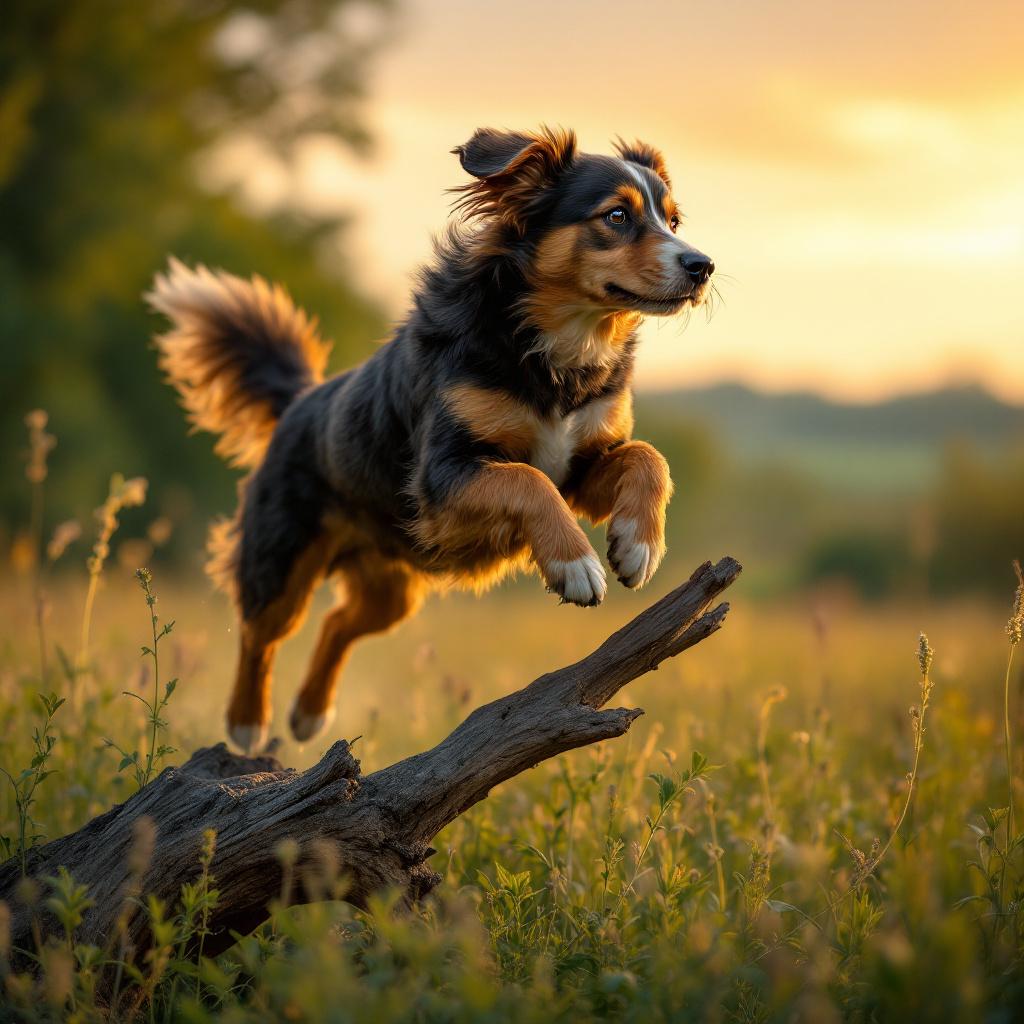
The Beauceron uncompromisingly embodies the quiet strength of a shepherd dog built for effort. Behind its sleek silhouette are defined muscles and a rare presence, a heritage of its guarding and herding missions. Versatile, it excels both on agility courses and during family evenings, provided its need for activity is met. Let’s explore its origins, athletic physique, and the keys to successful coexistence.
🐕 Beauceron: French shepherd with a proud bearing and athletic build, born for effort.
🏋️♂️ Endurance and speed: running, obstacle jumping, and canine sports reveal its vigor.
🏡 Herdsman and faithful companion, it demands mental stimulation and an active daily life.
Origin and History
Born in the vast plains of Beauce, the Beauceron first distinguished itself as a guardian of flocks and protector of property. Since the Middle Ages, references mention a French molosser with a short, shiny coat, capable of patrolling for hours. Its modern standard appeared at the end of the 19th century, the result of strict selection aiming to combine robustness and mobility. Today, the breed bears the name “berger de Beauce” and remains celebrated for its sense of duty and loyalty.
Beauceron Morphology
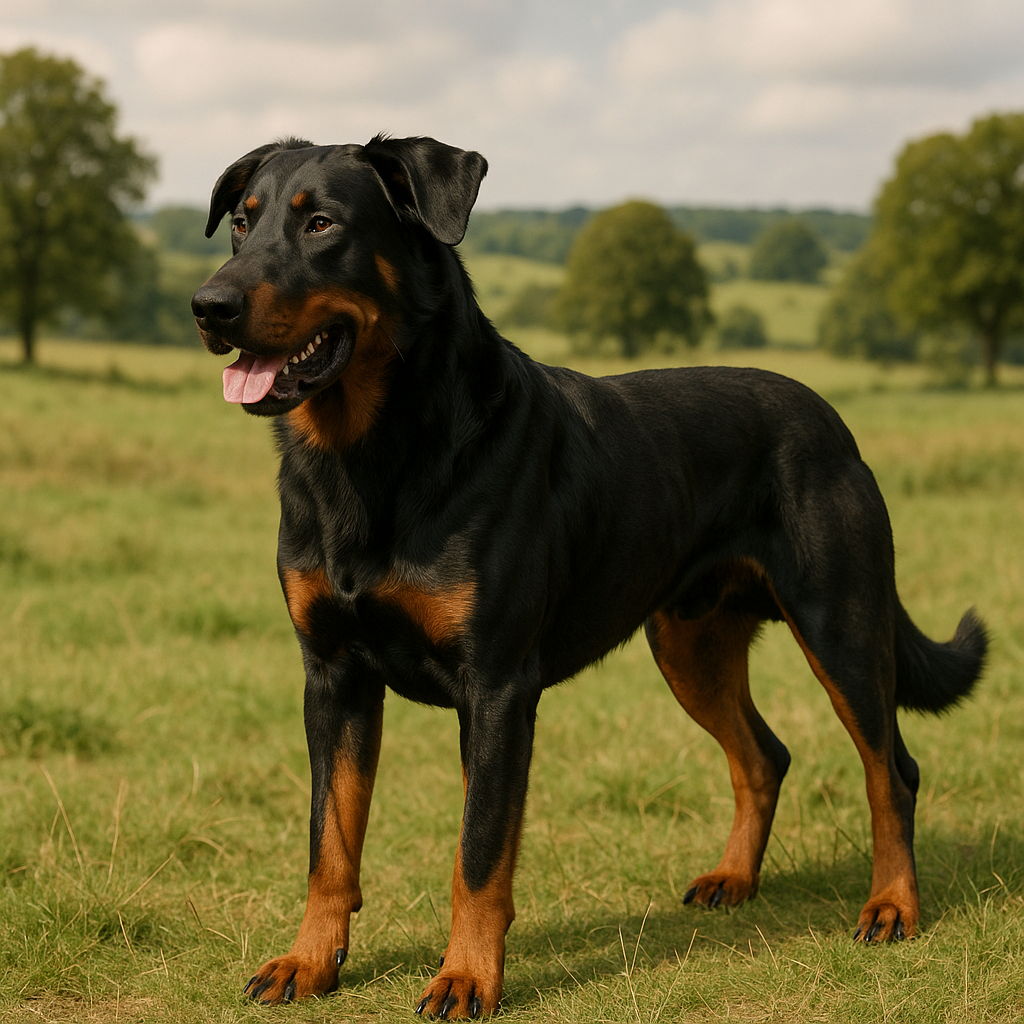
The Beauceron follows a dynamic line: straight back, firm croup, and powerful thighs. Males stand between 65 and 70 cm at the withers, females between 61 and 68 cm. With a weight generally ranging from 30 to 45 kg, its size combines proud bearing and well-defined muscles. Its coat, short and smooth, comes in two shades: black and tan or harlequin, the result of a very particular coat gene.
| Height (withers) | Weight | Coat | Life Expectancy |
|---|---|---|---|
| 65–70 cm (M), 61–68 cm (F) | 30–45 kg | Black & tan, harlequin | 10–12 years |
Temperament and Character
Intelligence and Sociability
It is often perceived as focused, weighing each situation before acting. Its natural curiosity combines with a lively mind: solving a puzzle-type game or participating in obedience training reignites its motivation. As a social being, it appreciates the company of its clan, human or canine, provided socialization starts early and remains varied.
Protective Instinct
Its powerful sense of smell and vigilance make it particularly suited for guarding. At the slightest anomaly, this French shepherd alerts with a deep bark, without unnecessary hysteria. Faced with an intruder, it often chooses discreet intimidation rather than frontal aggression. A precious balance in many security missions.
Training and Physical Activities
Its energy requires consistent guidance: firmness combined with kindness creates a climate of trust. Over sessions, the positive method is favored, rewarding every progress, alternating training exercises with physical or mental distractions.
- Agility and obstacle jumping
- Obedience in urban or natural environments
- Tracking and utility search
- Retrieval games and olfactory exercises
| Activity | Frequency | Benefit |
|---|---|---|
| Running | 30–45 min/day | Cardiovascular endurance |
| Agility | 2–3 sessions/week | Agility and bonding |
| Thinking games | 10–15 min/day | Mental stimulation |

Health, care and maintenance
This short-haired molosser requires weekly brushing to remove dead hair and dust, without neglecting ear and claw monitoring. It sometimes shows a predisposition to hip dysplasia; regular veterinary checks and a suitable diet reduce this risk. Stomach torsion, very rare but possible in deep-chested breeds, justifies fractionated feeding and a rest period after meals.
Living daily with a Beauceron
In an active family, this dog enjoys exploring forests and trails, participating in human activities, and settling by the couch at the end of the day. In a strict apartment setting, its need for space can turn into stress: a secure garden or long walks are highly recommended. Without patience or structure, its intelligence may lead to undesirable behaviors; the owner’s commitment remains central.
Frequently asked questions
What temperament does a Beauceron have?
The Beauceron stands out for its inner calm and depth of thought: it acts with discernment, protective without being quick to aggression. Provided it is well socialized, it lives peacefully with children and other animals.
What budget should be planned for breeding and maintenance?
The acquisition cost can vary from €800 to €1,200, depending on the pedigree. Add veterinary fees, quality food, and sporting equipment: expect about €1,200 to €1,500 per year to ensure its health and balance.
Is the Beauceron suitable for beginners?
Its need for activity and strong personality require an owner willing to invest. For a novice, turning to a dog trainer from the first months often proves wise.