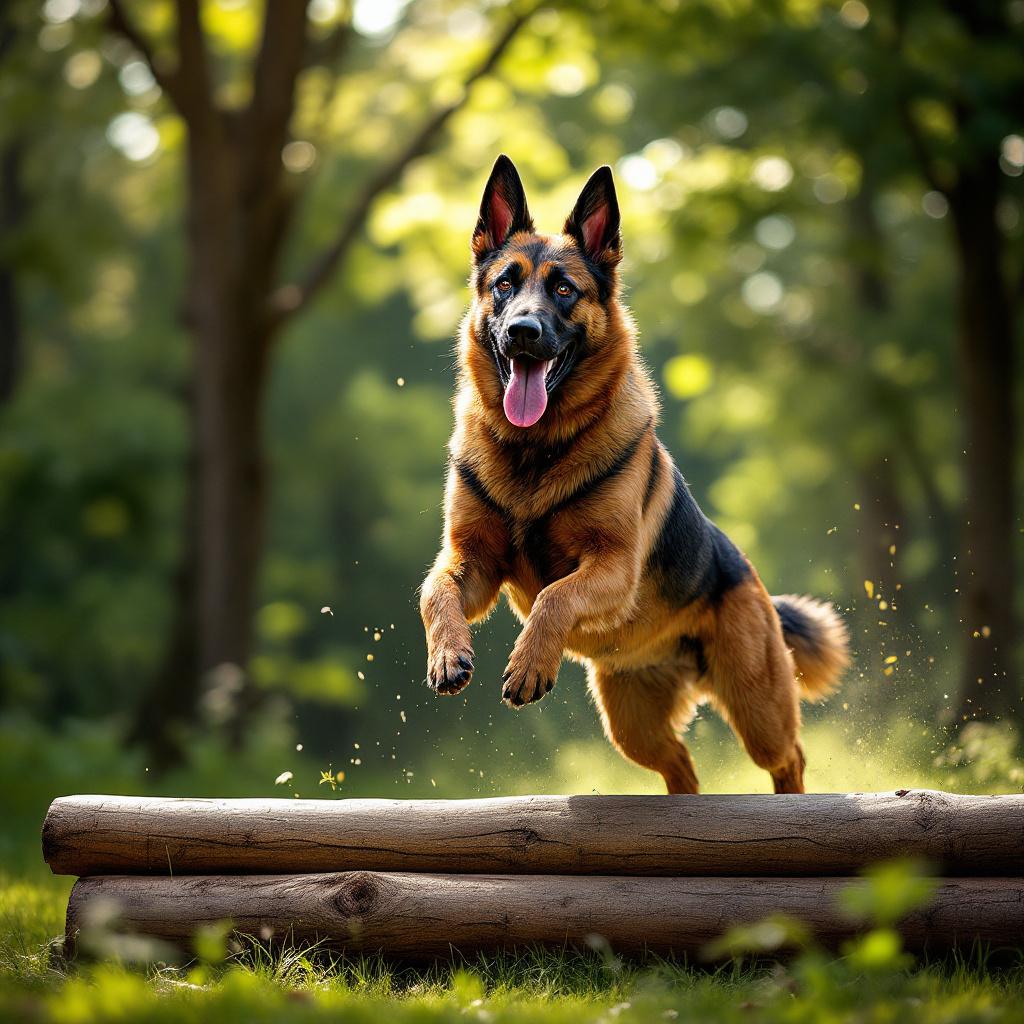
The Belgian Malinois Shepherd fascinates with its spirited temperament and ability to perform the most demanding tasks. Descended from a line of herding dogs, it has established itself far beyond the fields where it guarded flocks and sheep, captivating police forces, armies, and individuals seeking a reliable and obedient companion. Between boundless energy and unwavering determination, this dog displays true athletic potential, ready to surpass itself every day.
😀 Belgian origin and international recognition: the Malinois is one of the four types of Belgian Shepherd, renowned for its endurance and resilience.
🏃♂️ Daily need for intense exercise (1.5 to 2 hours): agility, tracking, canicross… without activity, the animal gets bored and may develop destructive behaviors.
🎓 High-level training: it excels in obedience exercises, security missions, and search work, thanks to a sharp intelligence and a strong desire to please.
🏡 Possible family life with strict supervision: early socialization and clear routines remain essential to channel its enthusiasm.
The Malinois, a professional worker
History and missions
At the end of the 19th century, Belgian breeders selected these dogs for their robustness and ability to guard livestock. Quickly, their athletic profile attracted the attention of law enforcement: search for people, detection of illicit substances, interventions in urban environments… Today, the Malinois ranks among the world leaders of police and military dogs. Its sharp sense of smell and tenacity make it a top partner for high-risk missions.
Physical characteristics
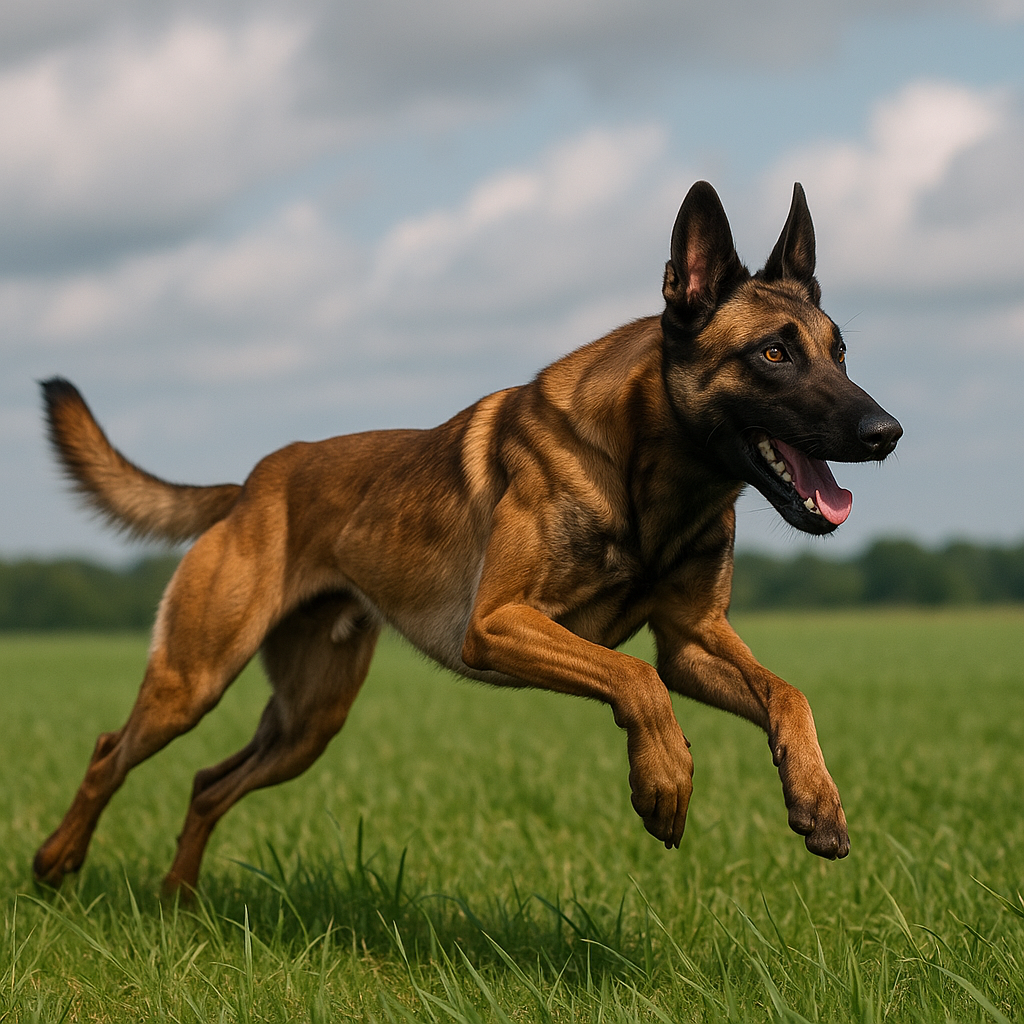
Muscular without heaviness, the Malinois has a medium build (58–66 cm at the withers, 20–30 kg) and a short coat that facilitates maintenance. Its strong limbs offer a long stride, an asset in obstacle courses and long patrols. The fine head, bright gaze, and erect ears clearly show its concentration and determination.
Obedience and training: an inseparable duo
Basic principles
- Socialization from 2 months: varied encounters, noises, shapes, and environments to build serene confidence.
- Positive reinforcement: treats, petting, and verbal encouragement punctuate each exercise to stimulate its desire to comply.
- Gradual progression: start with simple commands (sit, lie down, heel) before introducing more complicated sequences (object retrieval, crossing obstacles).
Tips for an inspiring owner
One might think firmness is enough, but the key also lies in consistency and anticipation. Favor short sessions (10–15 minutes) rather than marathons that tire attention. Alternate calm work and playful activities to preserve enthusiasm. Finally, vary rewards: a ball game, a detour on a walk, or a simple “good boy” avoid routine.
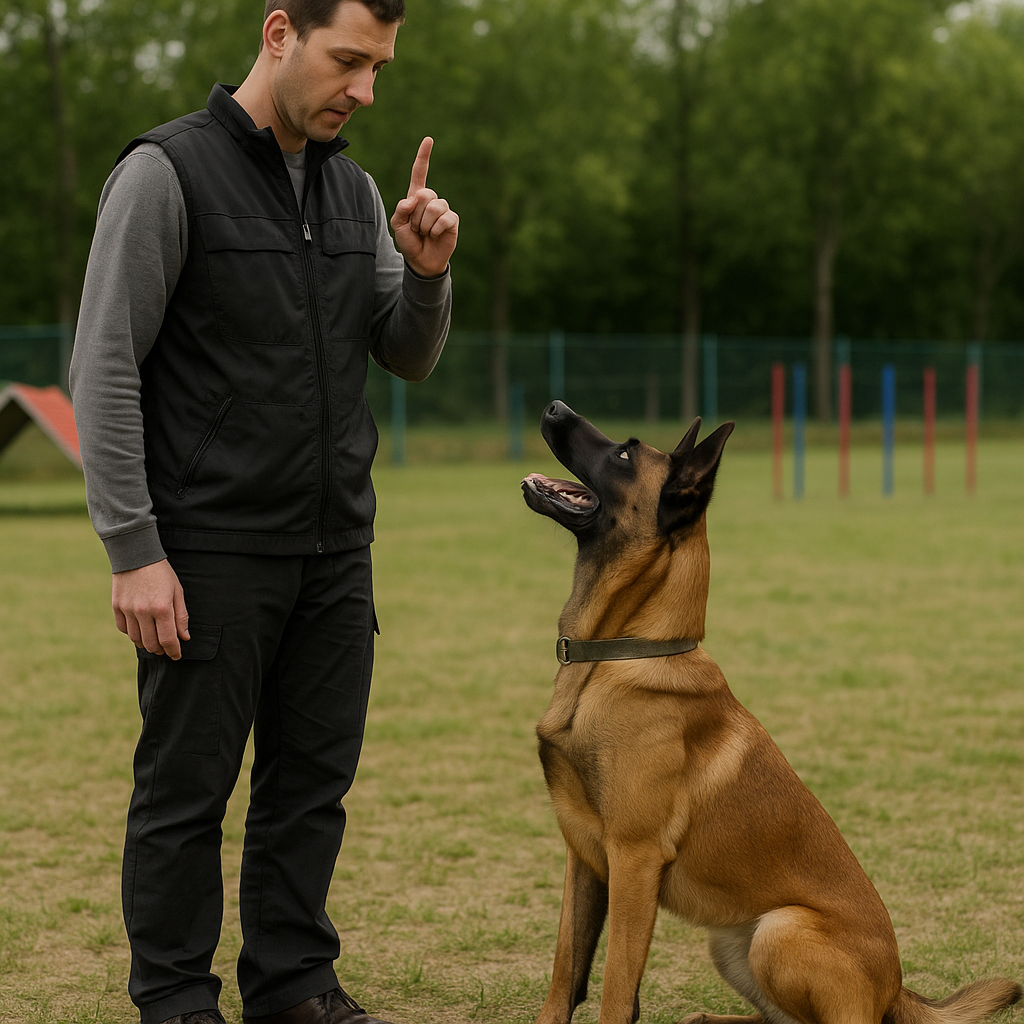
Living with a Malinois: between passion and challenge
When welcoming a Malinois, you commit to an intense relationship. It thrives in an active home, ready to take it running or to welcome its agility exploits in the garden. An apartment in the city remains feasible if the owner meets its appetite for effort through canine sports, long hikes, or even amateur public service (search for people, canine interventions).
| Aspect | Recommendation |
|---|---|
| Daily exercise | 1 h 30–2 h (including 30 min of mental stimulation) |
| Rest time | 2–3 naps per day, in a quiet space |
| Feeding | Protein-rich ration (20–25% of the diet) |
| Stimulations | Scent games, interactive puzzles, obedience exercises |
FAQ about the Belgian Malinois Shepherd
What size and weight does an adult Malinois reach?
The male generally measures between 61 and 66 cm and weighs 25 to 30 kg, while the female reaches 58–63 cm for 20 to 25 kg. This balanced silhouette contributes to its agility.
How long does the intensive training phase last?
Basic education is often considered acquired in 6 to 9 months, with regular sessions. Specializations (tracking, rescue, detection) can require 1 to 2 years of refinement.
Does the Malinois get along with children?
If socialization starts early, it develops a strong bond with the whole family. However, its exuberance can surprise: always supervise the first meetings and teach children to respect canine boundaries.
Can a Malinois be left alone for several hours?
An absence of more than 4 hours can cause separation anxiety. Treat-dispensing toys or split walks via a dog-walker reduce this stress.
How to recognize a reliable breeder?
Favor a professional affiliated with a recognized canine club, who offers regular visits, presents the parents, and performs health tests (hips, elbows, eyes).