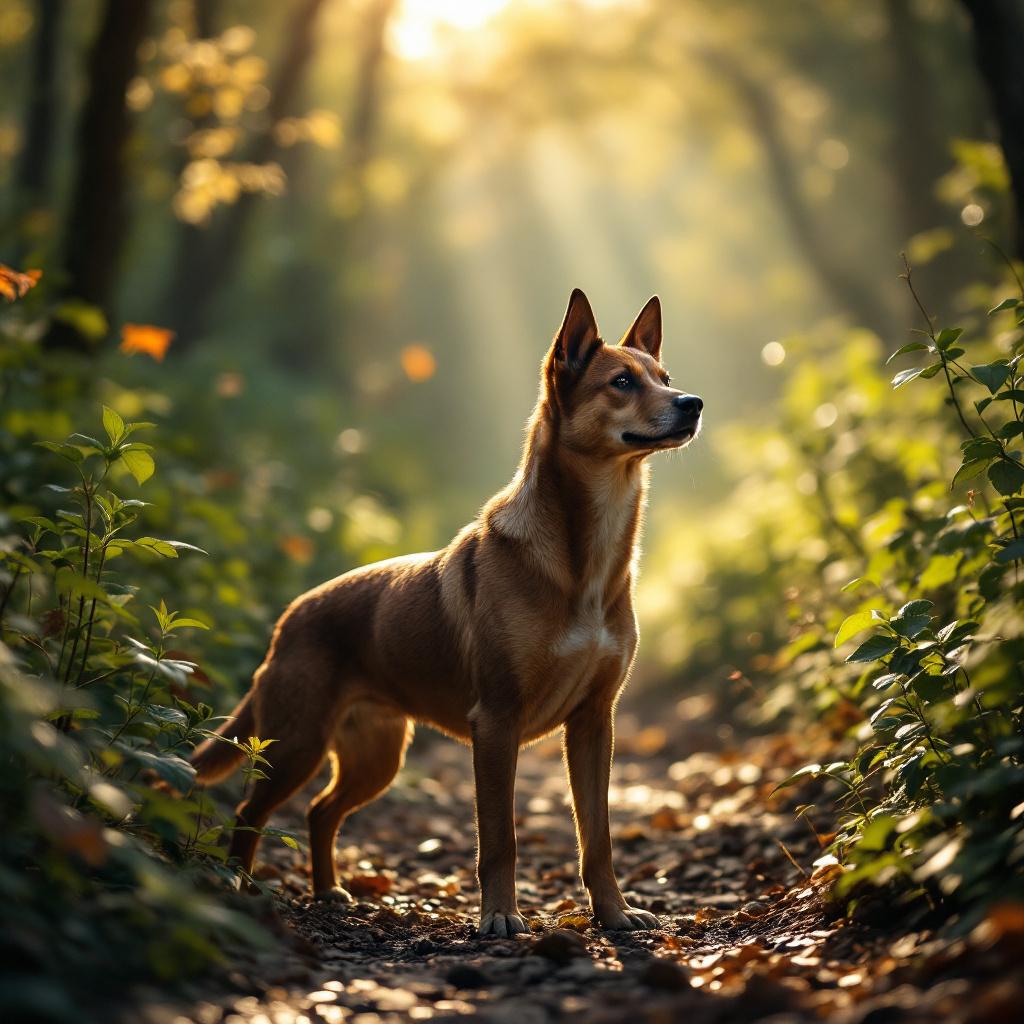
The Carolina Dog, sometimes nicknamed the « American wild dog », has made its way from the East Coast into our homes. Medium-sized, with a rustic wolf-like appearance and a temperament both independent and loyal, it intrigues as much as it charms. Behind this silhouette evoking untamed nature lies an ancient history and very specific needs: understanding its origins, characteristics, and lifestyle will allow you to welcome it under the best conditions.
In brief
🐾 Ancient origin: breed rediscovered in the marshes of South Carolina, linked to dogs present before European colonization.
🌿 Adapted to wide open spaces: high physical activity, need for long walks and a stimulating environment.
💡 Independent temperament: character close to the « cat-dog », sometimes reserved with strangers, but devoted to its family.
⚖️ Robust health: few major hereditary predispositions, life expectancy of 12 to 15 years, provided regular veterinary care is maintained.
Origins and history of the Carolina Dog
Ancient roots
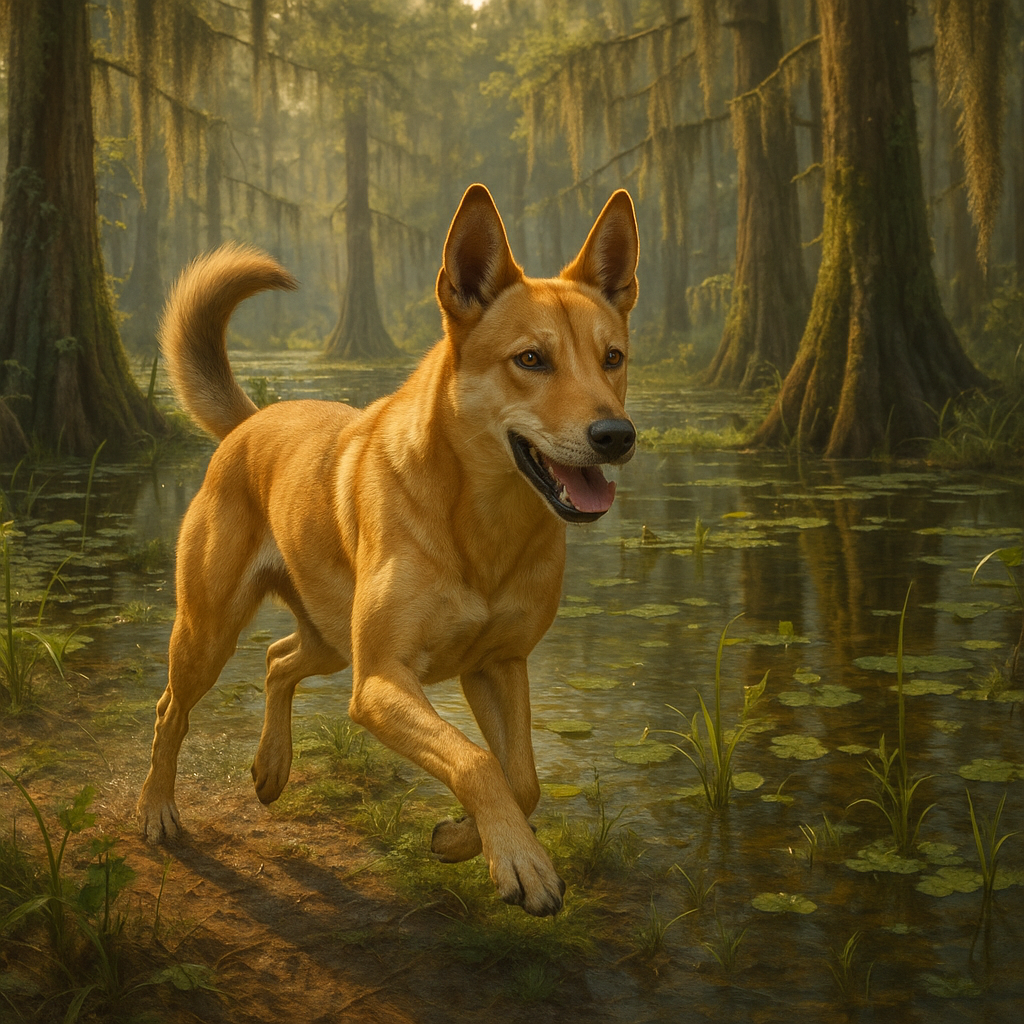
It was long thought that the Carolina Dog was the result of recent crossbreeding, but DNA analyses have overturned this idea. It actually appears linked to lineages of dogs present in North America long before the arrival of settlers. Traces of these canids are found among the Seminole and Cherokee tribes, who relied on their hunting instinct to take down small game.
Rediscovery by science
In the 1970s, an amateur anthropologist observed very rustic dogs living semi-wild in the swamps of South Carolina. Quickly, these canids attracted the interest of researchers. Studies conducted by geneticist Dr. Clutton-Brock confirmed their distant kinship with prehistoric canine populations. In 1996, the United Kennel Club officially recognized the Carolina Dog as a distinct breed.
Physical characteristics and temperament
Silhouette and coat
The Carolina Dog has a medium stature: males range between 45 and 58 cm at the withers, weighing 14 to 22 kg. Its coat, dense and short, varies from sandy fawn to deeper red, often adorned with dark spots on the muzzle and back. Erect ears and a sickle-shaped tail recall its « wild » lineage.
Temperament: between wild and companion
In truth, it is not a « velcro dog »: it likes to keep its independence. Yet, once trust is established, it shows incredible loyalty. Sensitive to consistency in training, it responds better to gentle methods and prefers interactive games to purely repetitive exercises. Its barks, clear and infrequent, are heard when it detects an unusual presence.
Needs, Care, and Training
Activity and Space
The Carolina Dog requires daily exercise: hikes, tracking sessions, or agility courses. Without sufficient stimulation, it can develop boredom and undesirable behaviors (digging burrows, running away). A large secure garden – ideally fenced at over 1.80 m – is highly appreciated, especially if it includes areas for digging.
Nutrition and Health
A diet rich in high-quality proteins, with a balanced intake of essential fatty acids to preserve its coat, is recommended. Veterinarians note that this breed suffers little from dysplasias or hereditary diseases but keep an eye on external parasites, as it loves exploring dense vegetation. Annual health check-ups are essential to prevent any abnormalities.
| Characteristic | Male | Female |
|---|---|---|
| Height at withers | 50–58 cm | 45–54 cm |
| Weight | 16–22 kg | 14–18 kg |
| Life expectancy | 12–15 years | |
Adopting and Living with a Carolina Dog
Where to Find a Breeder or Shelter
Several enthusiasts have specialized in this breed and carefully regulate litters to preserve the original genetics. Shelters in the Southeastern United States sometimes take in stray, disoriented individuals. Adopting through a recognized organization guarantees after-sales support and advice tailored to your lifestyle.
Integration into the Home
To prevent it from withdrawing into itself, early socialization is favored: gradual exposure to children, cats, bicycles, and household noises. For training, alternating scent games and obedience exercises builds a strong bond. Patience and consistency are key, as this dog learns quickly but gets bored if not challenged.
FAQ
- Is the Carolina Dog suitable for children? Reserved but affectionate, it can form a strong bond with younger ones, provided it is guided by an adult for respectful interactions.
- Can it live in an apartment? Not recommended: its need for space and exercise makes apartment living challenging unless compensated by long daily outings.
- How to manage its digging instinct? Offer it a digging box or a dedicated area to channel this natural behavior.
- Is it easy to train? Yes, but it prefers positive and varied methods: clicker training, tracking games, and short but regular sessions.