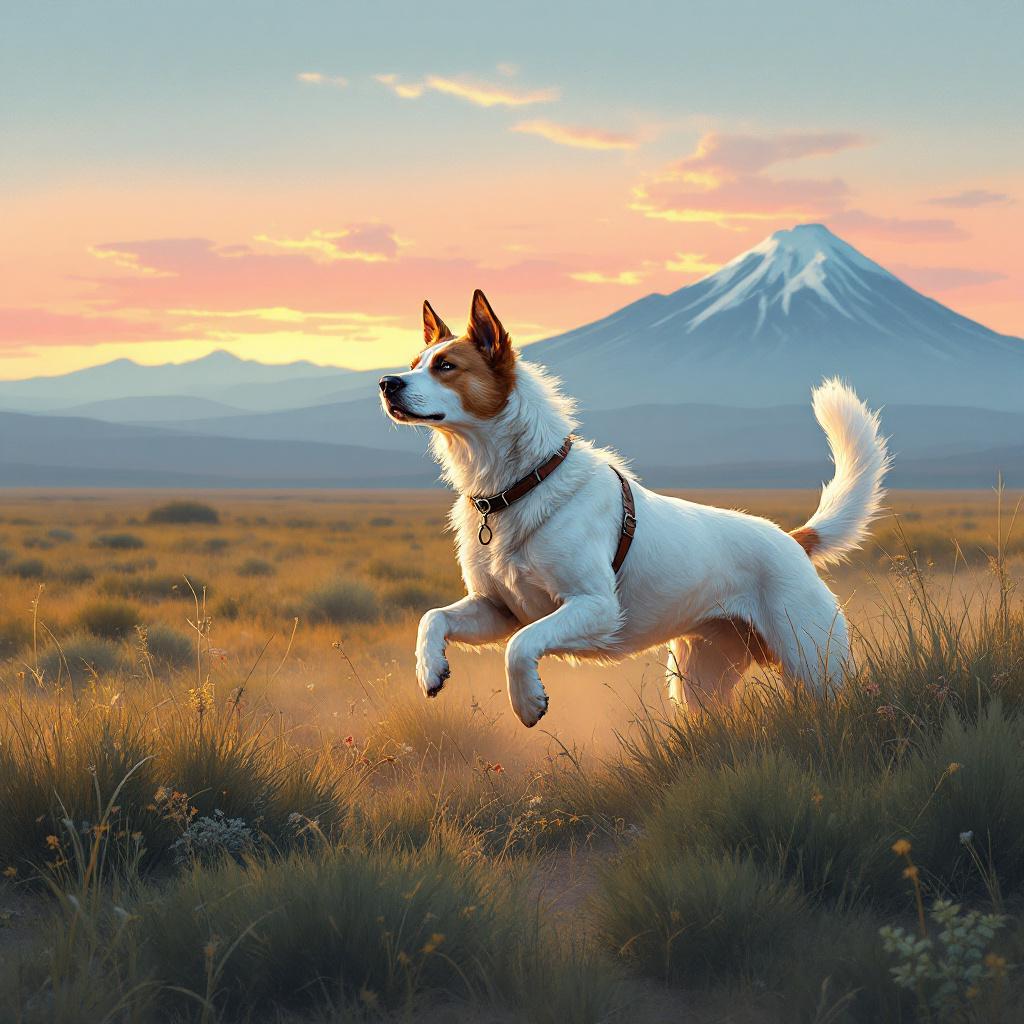
Originating from a rigorous breeding program at the beginning of the 20th century, the Dogo Argentino has earned an undisputed reputation as a master in tracking pumas and other robust prey. This breed with an imposing bearing combines muscular power and sharp intelligence but requires an experienced owner to channel its extreme energy and deeply rooted hunting instinct.
In brief
😎 Origin 1920 – Created to face the puma and the jaguarete in the Argentine pampas.
🐾 60–68 cm at the withers, up to 45 kg: a balance of robustness and agility.
👨🏫 Determined and loyal character, socialization and firmness essential.
🎯 Intensive training and regular outings required to avoid boredom and frustration.
Origins and selection
At the heart of the Andes Cordillera, Dr. Antonio Nores Martínez set out to create a dog both resilient and docile, capable of flawlessly tracking the local big game. He crossed white dogues, mastiffs, and Great Danes, adding terrier breeds. The goal: eliminate any excess coloration, achieve an unbreakable musculature, and a stable temperament. Quickly, this line attracted hunter owners seeking a robust and enduring beast, capable of enduring expeditions lasting several days.
Physical characteristics
Morphology and size
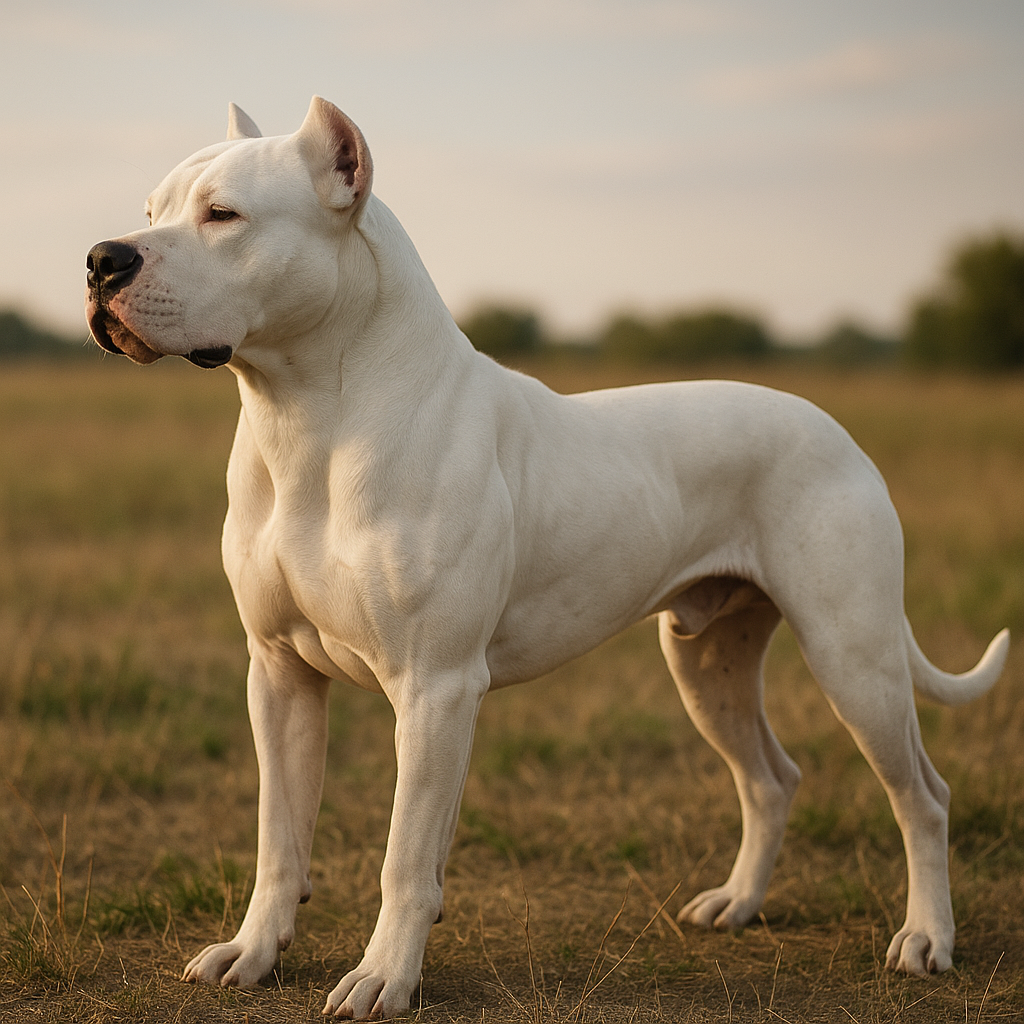
The Dogo Argentino commands respect as soon as it enters the room. Its broad head, powerful jaws, and sturdy neck form a harmonious whole. Males generally measure between 60 and 68 cm at the withers, while females range between 60 and 65 cm. Equipped with solid bones and prominent musculature, this dog displays a stature combining solidity and fluidity of movement.
Color and coat
An immaculate white covers its body, sometimes marked with very light spots on the head. This short and dense coat protects against insect bites and facilitates drying after crossing a river. Caution: the predominance of white is accompanied by an increased risk of unilateral or bilateral deafness, which is why each puppy is tested.

Temperament and behavior
Within the human pack
The Dogo Argentino bonds very closely with its clan. Protective and devoted, it poorly tolerates solitude and can develop separation anxiety. Despite its courage, it remains sensitive to gentle gestures and firm guidance. Without clear boundaries, it can develop a form of dominance, especially towards other animals.
Hunting instinct
This instinct is literally encoded in its genes: running over rough terrain, tracking scents over long distances, and mastering the prey. It does not hesitate to encircle its target and keep it under control until its owner arrives. Outside of any hunting activity, this strong instinct can manifest as chasing small domestic or wild animals, hence the usefulness of an infallible recall.
Education and Training
Demanding but receptive, he responds particularly well to positive reinforcement. Sessions should be short, paced with varied rewards (treats, toys, praise). Basic commands – sit, lie down, recall – must reach an infallible mastery level before moving on to the next step. Consistency and benevolent authority prove to be the key to preventing undesirable behaviors.
- Daily sessions of 20–30 minutes maximum.
- Tracking games to stimulate the sense of smell and channel energy.
- Early socialization with men, children, and other dogs.
- Canine sports activities (agility, tracking) to develop endurance.
Health and Specific Care
The Dogo Argentino enjoys a lifespan of 10 to 12 years. BAER tests (hearing) and hip x-rays are recommended before any breeding. Some pathologies require increased vigilance:
| Problem | Frequency | Prevention / Monitoring |
|---|---|---|
| Deafness | 20 % | BAER test from 6 weeks |
| Hip dysplasia | 5 % | Orthopedic check and weight maintenance |
| Hypothyroidism | 3 % | Annual hormonal assessment |
Adaptation to Modern Life
In the city, limited space can quickly become a stress factor for this born hunter. A well-fenced garden is essential, complemented by long and sporty outings every day. Ideally, the owner is active (hiking, canicross, hunting), capable of channeling his companion and maintaining his muscle. In a balanced family context, the Dogo Argentino also proves patient and playful with children, provided there is a gradual introduction.
FAQ
- Is the Dogo Argentino suitable for beginners?
- No, this dog requires an experienced owner, capable of imposing a clear framework and providing rigorous training.
- What budget should be planned for maintenance?
- About 800–1,200 € per year for premium food, veterinary care, and sports activities.
- Can he live with other dogs?
- Yes, if socialized early. However, cohabitation requires continuous supervision during the first meetings.
- What physical activity is essential for him?
- At least 1 to 1.5 hours of daily exercise (running, tracking games, canine sports).