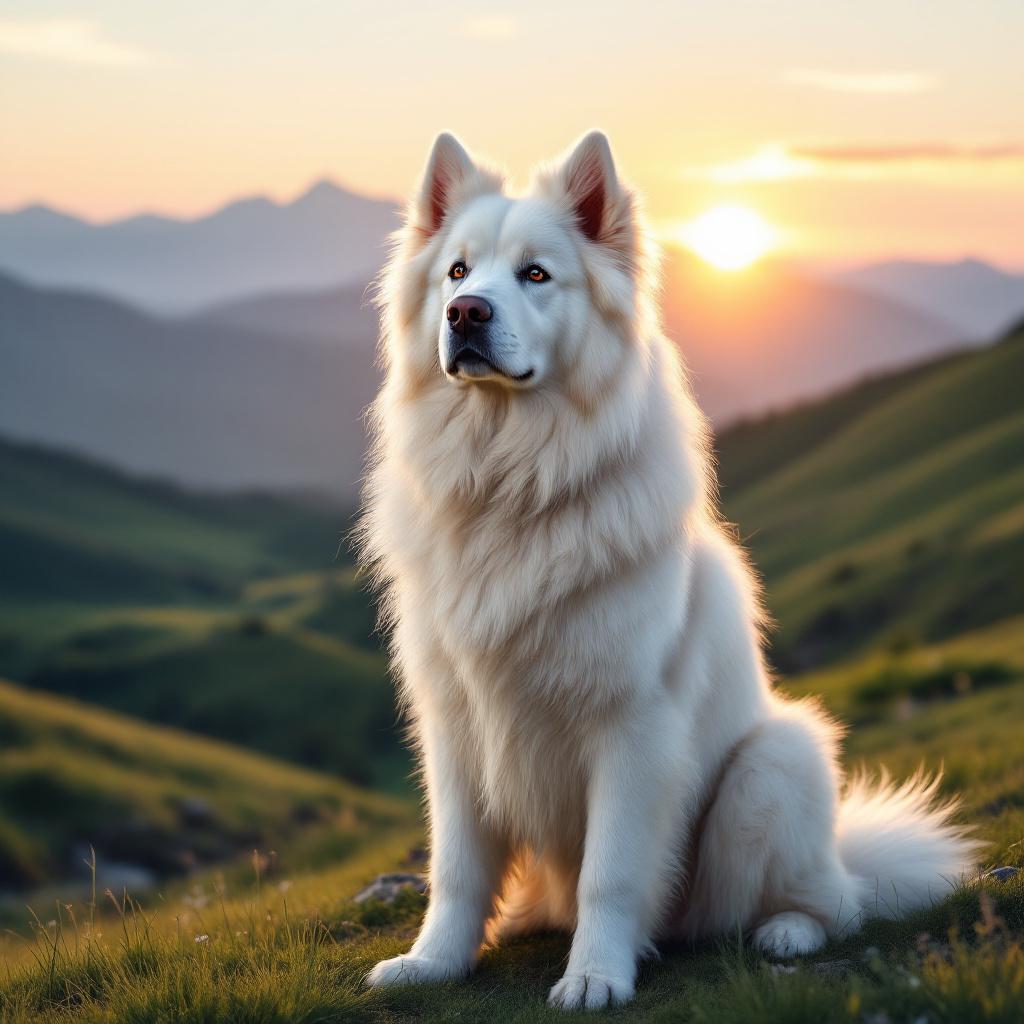
With its immaculate coat and proud bearing, the Kuvasz evokes the image of a noble sentinel, ready to watch over those it loves. Originating from the plains of Hungary, this shepherd dog has crossed centuries as a faithful protector and endearing companion. In this article, let’s dive into its history, temperament, and the best practices to welcome it into your home.
In brief
🔹 The Kuvasz is a Hungarian guard dog with a thick white coat, designed to withstand harsh winters and predators.
🐾 Endowed with a strong protective instinct, it defends its territory and family without hesitation, while showing gentle sensitivity with its own.
🏰 Classified among the royal shepherd breeds, it once watched over herds and served as a guardian for Hungarian nobility.
🌟 In training, it requires a firm but kind hand, early socialization, and regular physical activity to fully flourish.
Origins and history of the Kuvasz
From the Hungarian plains to the royal court
In the Middle Ages, the Kuvasz stood out in the vast Hungarian pastures, where it accompanied shepherds to protect sheep and cattle from wolf attacks. More than just a working dog, it gained the favor of princes and nobles, becoming a symbol of vigilant power. Witnesses of this era, manuscripts already describe its majestic appearance and its role as a bulwark against external threats.
Survival and resilience through the centuries
Despite historical upheavals – wars, revolutions, and exoduses – the Kuvasz managed to preserve its lineages. Passionate breeders have worked to maintain the breed standards, ensuring both its balanced temperament and natural elegance. Today, it is listed among rare breeds, a living testament to a deeply rooted Hungarian heritage.
Physical characteristics
Size and silhouette
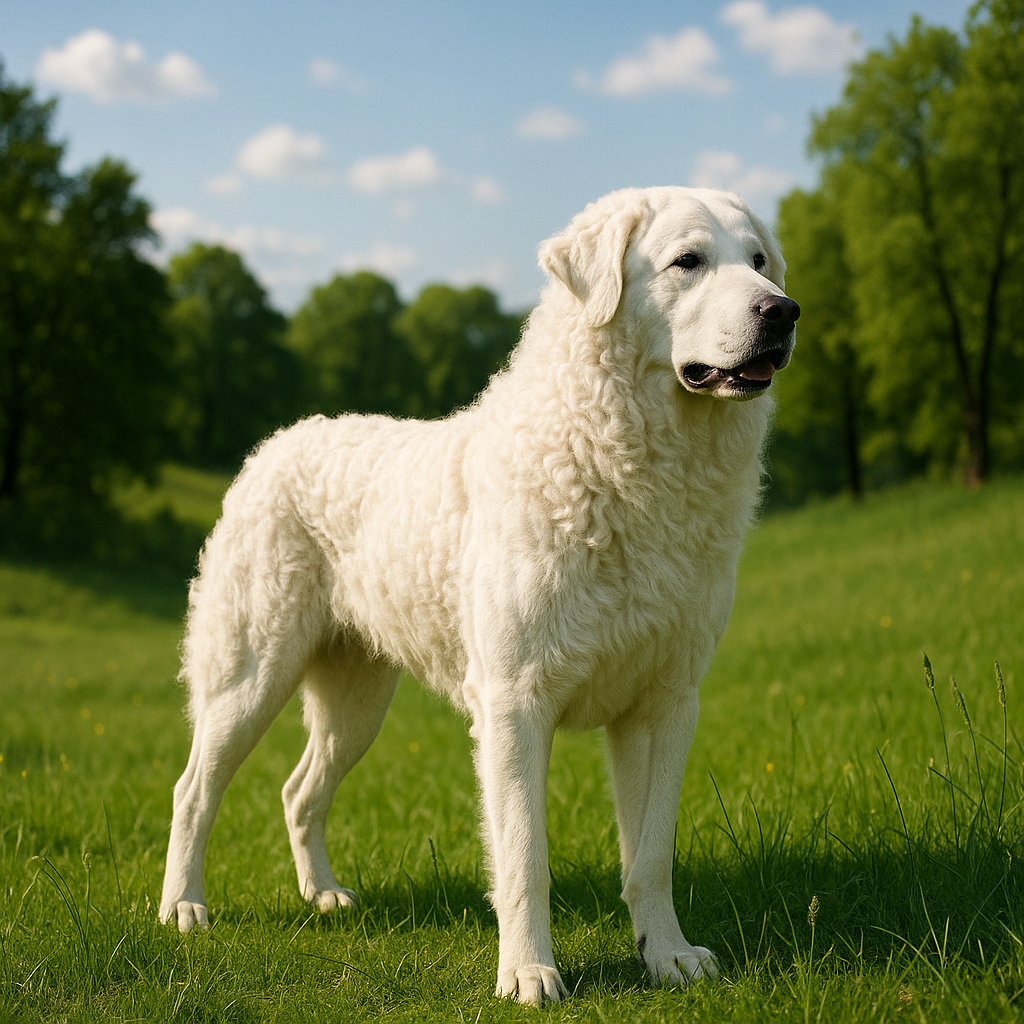
The Kuvasz displays an imposing stature without falling into heaviness: males generally measure between 71 and 76 cm at the withers, females slightly less. Its musculature is shaped by fluid lines, giving its gait an impression of lightness despite its size. Each step reveals discreet power, a perfect blend of endurance and agility.
Coat and colors
Its coat, pure white, consists of a dense undercoat and a longer outer coat, slightly wavy on the flanks and rump. This fleece protects it from cold and moisture but requires regular brushing to avoid knots and control shedding. In the shade of the chest and behind the ears, cream highlights can sometimes be seen, remnants of an ancestral crossbreeding with other shepherd dogs.
Temperament and behavior
Protective instinct
The Kuvasz is, by nature, a guardian. Faced with a stranger, it first observes, weighs the danger before acting. Once its decision is made, its stature and deep bark often suffice to deter unwanted visitors. However, this instinct does not trigger at every turn: it knows how to discern and is surprisingly calm within the family.
Sensitivity and Sociability
In private, he reveals a more tender side. He can snuggle at his master’s feet or play with the children in the household, provided they respect his limits. Like many shepherd breeds, he detects the mood of those around him, offering comfort or vigilance depending on the situation. This sensitivity requires a relationship based on trust, under penalty of seeing the dog withdraw.
Education and Socialization
Key Principles for Successful Learning
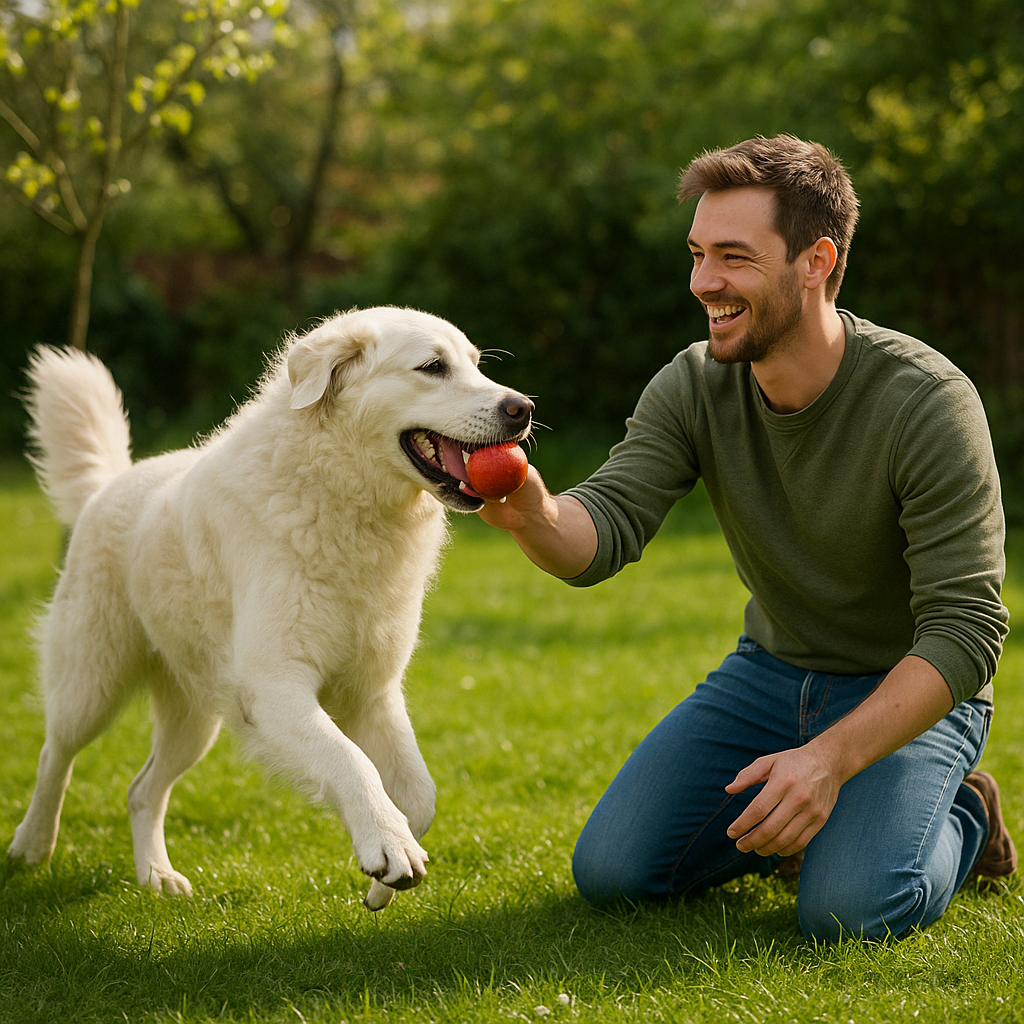
Starting education at the youngest age proves crucial. Sessions, short but frequent, should alternate obedience games, mental exercises, and stimulating walks. The use of positive reinforcement – treats, verbal praise, petting – plays a central role. The Kuvasz willingly responds to a patient and consistent master, capable of setting a clear framework without resorting to harshness.
Managing the Guarding Instinct
To channel his role as protector, socialization must include various situations (encounters with other animals, unusual noises, visitors). The goal is not to extinguish his instinct, but to tame it. Thus, he will know how to distinguish a real danger from a simple visit. Group dog workshops can also strengthen his behavior in the presence of other conspecifics.
Health and Maintenance
Coat Care
Weekly brushing is usually sufficient, except during shedding periods when it should be done twice a week. Choose a long-bristle brush and an appropriate comb to remove dead hair and prevent the appearance of knots, especially behind the ears. A bath every two to three months preserves the shine of his coat, using a mild shampoo specifically formulated for long-haired dogs.
Exercise and Lifestyle
This dog needs space and varied activities to stay balanced: long walks at a brisk pace, nature hikes, retrieving games, or even herd protection for the more adventurous. In an urban environment, he must benefit from regular outings and a secure garden to roam freely.
Medical Predispositions
The Kuvasz enjoys robust health, but certain conditions may occur: hip dysplasia, eye problems, or gastric torsion. Annual visits to the veterinarian, accompanied by quality nutrition and appropriate exercise, help limit risks and extend longevity, often between 10 and 12 years.
Ideal for Which Owner?
Suitable Living Conditions
The Kuvasz thrives in an environment where he has secure outdoor space. He poorly tolerates apartment living unless offered several hours of active walking each day. Households seeking a calm and sedentary dog will not find a suitable companion in him; he demands commitment and space to express himself.
Time and Emotional Investment
Besides exercise, he seeks the presence of his family. His protective nature is nourished by strong bonds: time must be devoted to him, whether it is play sessions, long walks, or simply a moment of complicity by the fireside. In return, he offers unwavering loyalty and a discreet, sometimes reserved, always deep love.
Summary Table: Adult Size and Weight
| Sex | Height (cm) | Weight (kg) |
|---|---|---|
| Male | 71 – 76 | 45 – 52 |
| Female | 66 – 71 | 37 – 45 |
FAQ
- What is the temperament of the Kuvasz?
- The Kuvasz combines a very strong protective instinct with great sensitivity. It can be reserved with strangers but proves affectionate and loyal towards its family.
- How long does a Kuvasz live?
- On average, its lifespan is between 10 and 12 years, provided its exercise needs and regular veterinary care are respected.
- Is the Kuvasz suitable for apartment living?
- It is not recommended to raise it in an apartment without a garden. Its need for space and physical activity encourages it to live in a house with a secure outdoor area.
- What diet should be chosen for a Kuvasz?
- Prefer a diet rich in quality proteins, adapted to large breeds, dividing the ration to avoid stomach torsion.
- At what age should training begin?
- The ideal is to start socialization and the first basics of obedience from the age of 2 to 3 months, favoring gentle and consistent methods.