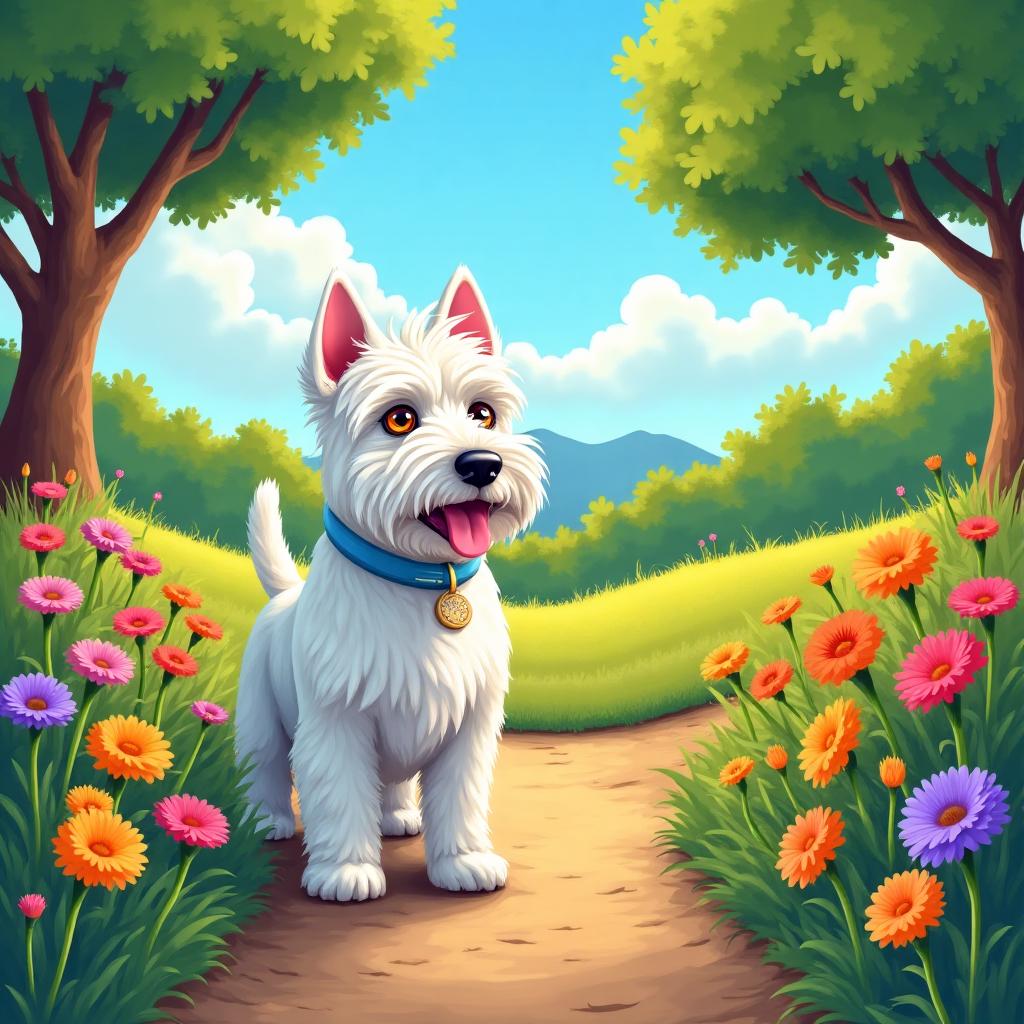
The Sealyham Terrier originates from the coastal lands of Wales where, as early as the 19th century, it stood out as a tireless hunter of badgers and foxes. Today, its appearance as a cozy companion and curious nose make it a precious ally for families seeking a small dog with a strong character, always ready to start an adventure… or to curl up on the couch.
🐾 Welsh origin: specialized breeding in the 19th century, selected for small game hunting, popularized by the British nobility.
🎨 Compact physique: 25–30 cm at the withers, 8–10 kg, dense and coarse coat, determined yet elegant appearance.
💡 Assertive temperament: loyal, protective, sometimes tenacious, with a touch of mischief and independence.
🛁 Regular maintenance: weekly grooming and brushing, stimulating activity necessary to avoid behavioral rust.
The roots of the Sealyham Terrier
Genesis and hunting passion
In the heart of the 19th century, Baron W.E. Sealyham sought a dog capable of diving into burrows and showing unwavering tenacity, even when facing a belligerent badger. By crossing different lines of British terriers—especially the Cairn and the Wire Fox Terrier—he shaped a dog both robust and determined. Quickly appreciated for its ability to muzzle game without damaging it, the Sealyham Terrier earned a reputation as an outstanding hunter, while retaining that slightly disdainful look that still charms many enthusiasts today.
From aristocracy to the family table
At the beginning of the 20th century, this Welsh terrier conquered London high society. Official portraits, dog shows: it frequented salons and inspired canine haute couture. After the First World War, its status changed, entering ordinary homes where it became primarily the children’s playmate and the vigilant guardian of vegetable gardens. This transition testifies to its adaptability: intrepid hunter, but also a familiar full of humor.
Physical characteristics
Size, weight, and silhouette
With its 25 to 30 cm at the withers and 8 to 10 kg, the Sealyham Terrier displays a square, almost stocky silhouette. Its short legs do not prevent it from leaping with liveliness, and its deep chest grants it efficient breathing, even after an impromptu sprint chasing a toy or a potential rodent.
Coat and appearance
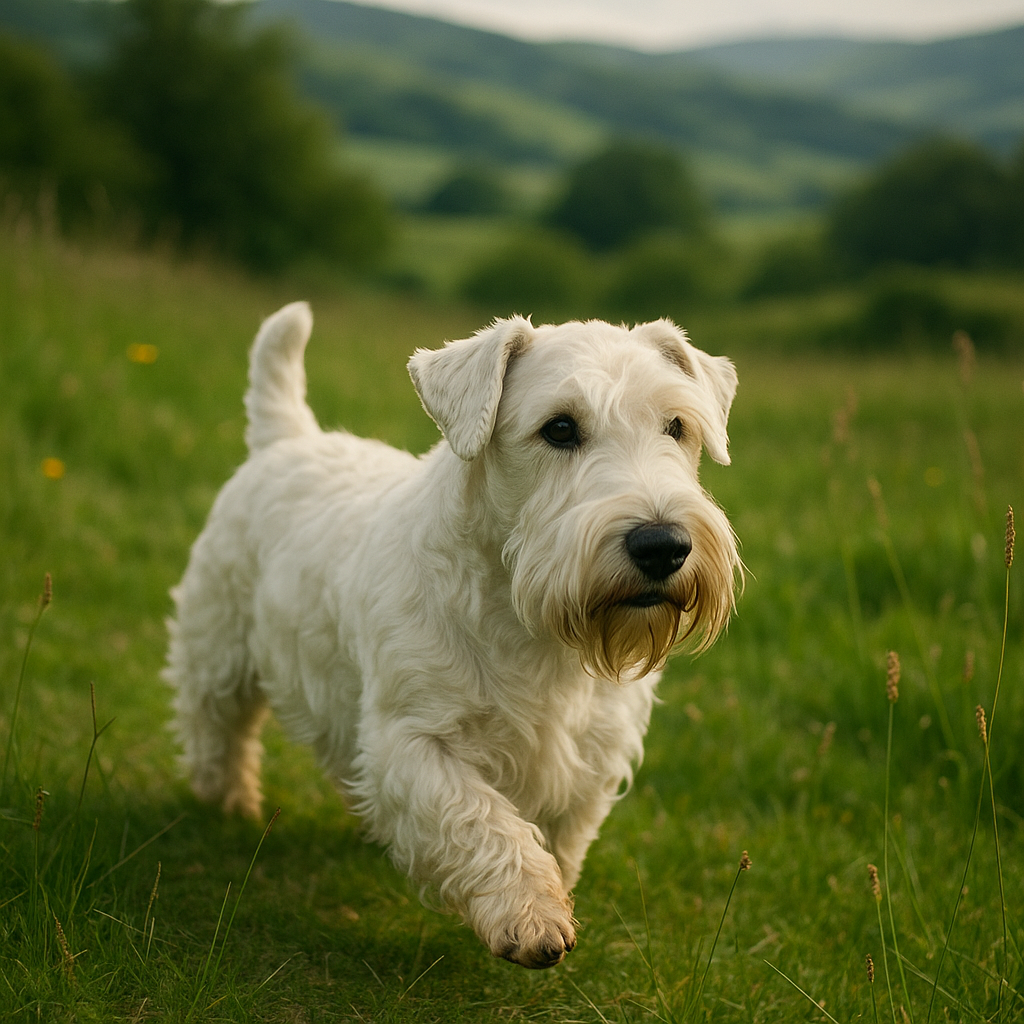
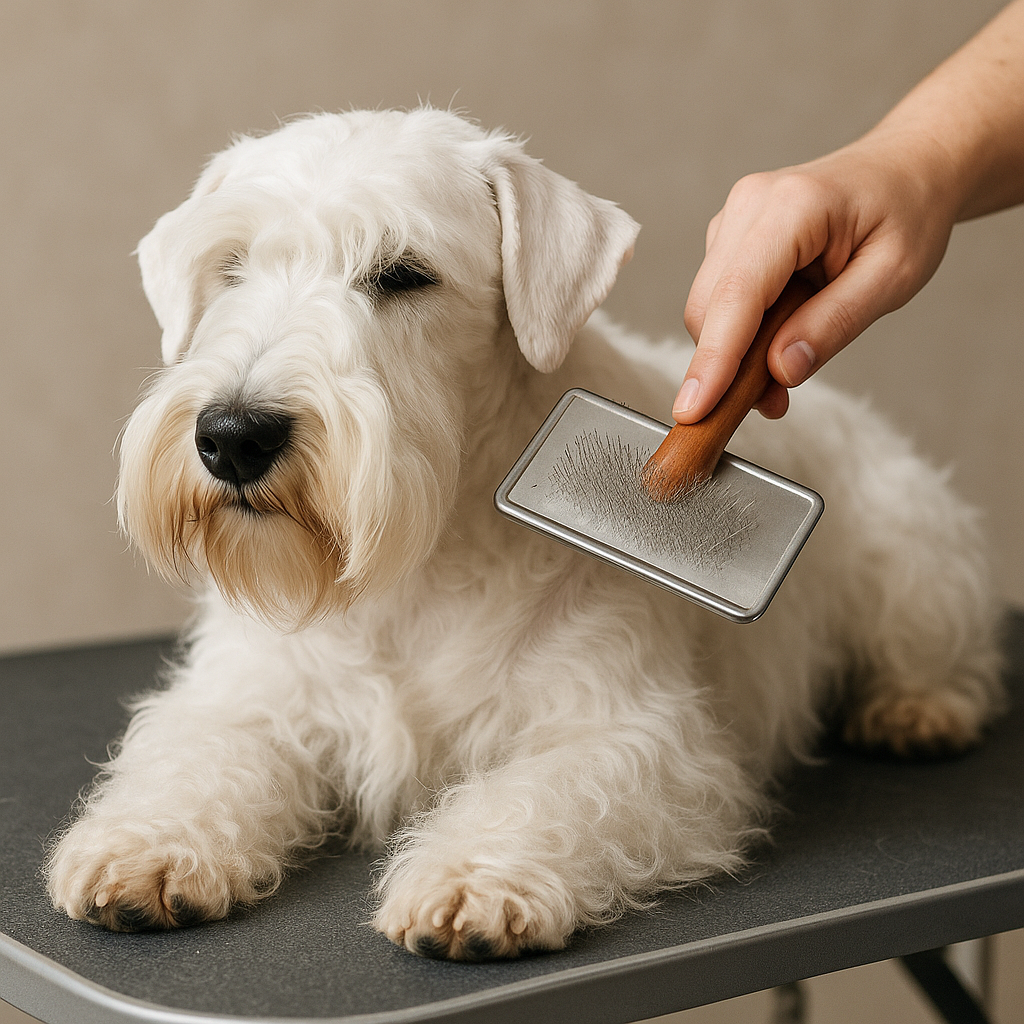
Its dense fur consists of a soft undercoat and a rough outer coat, often white, sometimes speckled with lemon or sand spots. The dog groomer describes its maintenance as a “targeted brushing” rather than a full smoothing: the goal is to preserve the natural roughness while eliminating dead hairs. When the terrier gambols in the moor, its hairs collect twigs, a true hunting trophy.
Personality and Behavior
A Dog with a Strong Character
One might think that a small size automatically means shyness, but the Sealyham Terrier has very definite ideas. It is both protective of its home and independent when it comes to investigating a suspicious bush. Its strong personality requires consistent training from a young age: it needs clearly defined boundaries to avoid turning into a “little boss” at home.
“He is not afraid to roar louder than a dog three times his size when he feels his territory is threatened.” – Passionate Breeder
Socialization and Play
While initial encounters with other dogs can sometimes be competitive, the Sealyham Terrier quickly calms down when it realizes it is being offered a toy or an outdoor play session. With children, its patience is legendary, provided they respect its space: a child who pulls violently on its coat risks a firm response. To balance this vigor, varied walks and mental stimulation sessions—agility courses, hide-and-seek with treats—bring the calm and focus needed.
Care and Maintenance
Grooming and Toileting
In practice, weekly brushing is enough to prevent tangles, complemented by a good stripping session (manual removal of dead hair) two to three times a year. The ears, with their slightly drooping V shape, deserve regular checks to prevent infections. As for the nails, they should be filed as soon as you hear the “click” on the tile, a sign they have grown too long.
Exercise and Stimulation
- Daily walks of 30 to 45 minutes, ideally varied (forest, countryside, urban park).
- Tracking or scent games to awaken the terrier’s legendary nose.
- Light agility: low bars, tunnels, perfect for working muscles without stressing the joints.
Health and Longevity
On average, a Sealyham Terrier lives 12 to 15 years. It is sturdy, but attention should be paid to:
- Regularly examining the skin: terriers, with their dense coat, can develop dermatitis if moisture sets in.
- Monitoring the spine: its straight and short back can be prone to lower back pain if it is made to jump repeatedly.
- Checking the teeth: chewing on a raw bone or an appropriate toy limits tartar buildup.
Living with a Sealyham Terrier
This small Welsh dog shines best in a home where a balance between physical activities and quiet moments is cultivated. In an apartment, its barking can be surprising: good socialization and some “quiet on command” exercises are necessary. In the countryside, it thrives fully, sniffing every corner while giving its human a knowing look once the expedition is over.
FAQ
Is the Sealyham Terrier suitable for children?
Yes, provided the children respect its space. Its protective instinct pairs well with youthful enthusiasm.
What budget should be planned each month?
About 50 to 80 € for quality food, grooming, and stimulation accessories.
How to prevent back problems?
Avoid repeated jumps, install ramps or cushions to get on the couch, maintain an ideal weight.
Does the Sealyham tolerate being alone?
No more than 4 to 6 hours alone: a companion animal can help reduce anxiety.