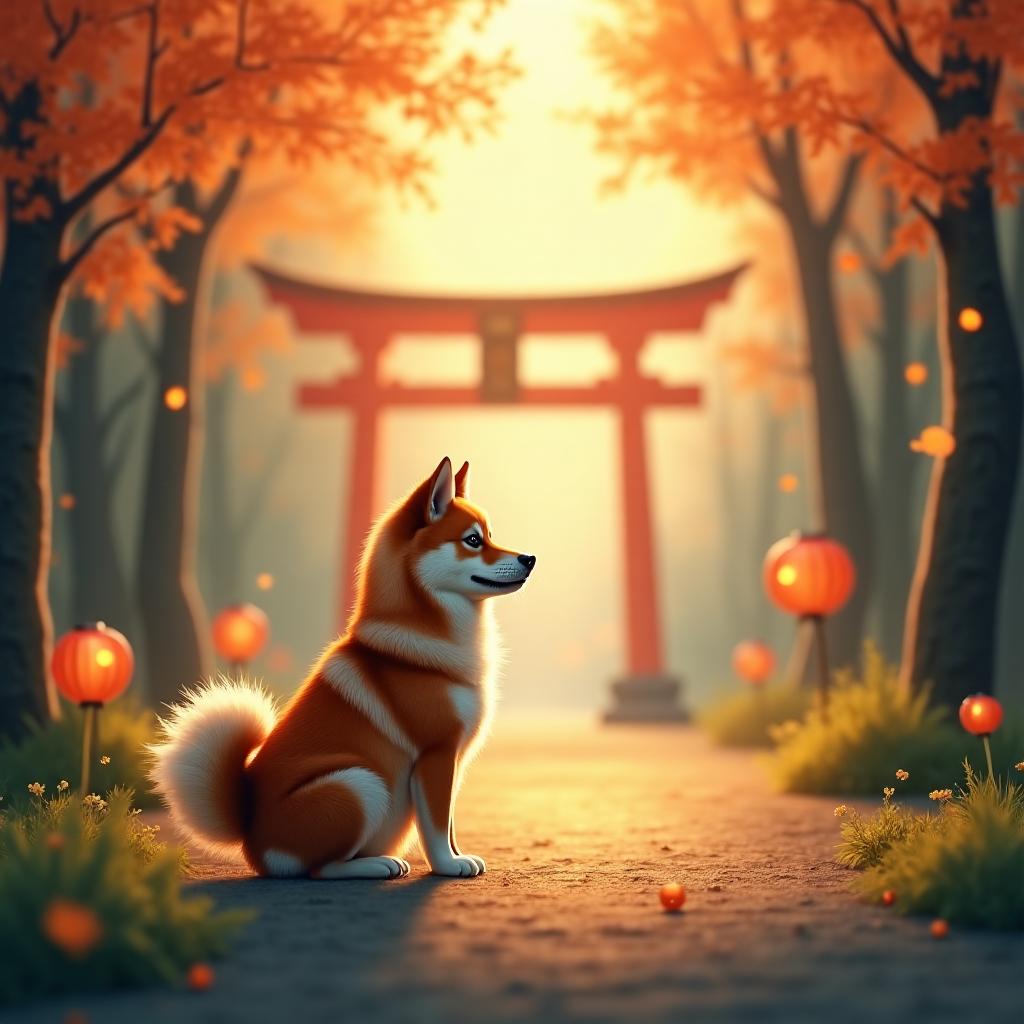
The Shiba Inu fascinates with its tiny yet proud appearance, dense fur, and eyes that are both lively and mischievous. Originating from the Japanese mountains, it embodies this duality between fierce independence and an almost aristocratic delicacy. By exploring its history, character, and needs, one perceives the full richness of a companion unlike any other.
In Brief
🐾 Ancient Origins: the Shiba Inu dates back to the Jōmon period, bearing witness to a lineage of more than 2,000 years at the heart of Japanese forests.
🎯 Nuanced Personality: a subtle balance between independence and attachment, requiring a precise blend of affection and freedom.
🛁 Regular Maintenance: its double coat demands bi-weekly brushing, without forgetting to monitor the joints and eye health.
🌐 Internet Symbol: from Japan to Doge memes, it charms with its playful aura and silhouette recognizable among thousands.
Origins and History of the Shiba Inu
From Hunting Trails to Urban Salons
In the 12th century, in the steep valleys of Japan, small spitz dogs called “Shiba” were raised to hunt light game: pheasants, rabbits, or deer had to watch out. Facing rugged terrain, these small dogs developed remarkable agility and endurance. The term “Shiba,” which means “brushwood” in Japanese, evokes both the reddish color of their coat in autumn and the covered terrain where they hunted their prey.
It was not until the post-war period that their numbers dangerously declined. Thanks to the passionate mobilization of a few breeders, the first official standard was established in 1934. Since then, the Shiba Inu has won hearts in Japan before conquering the West, where it is now one of the most popular spitz breeds.
Character: Subtle Blend of Independence and Affection
A Natural Nobility
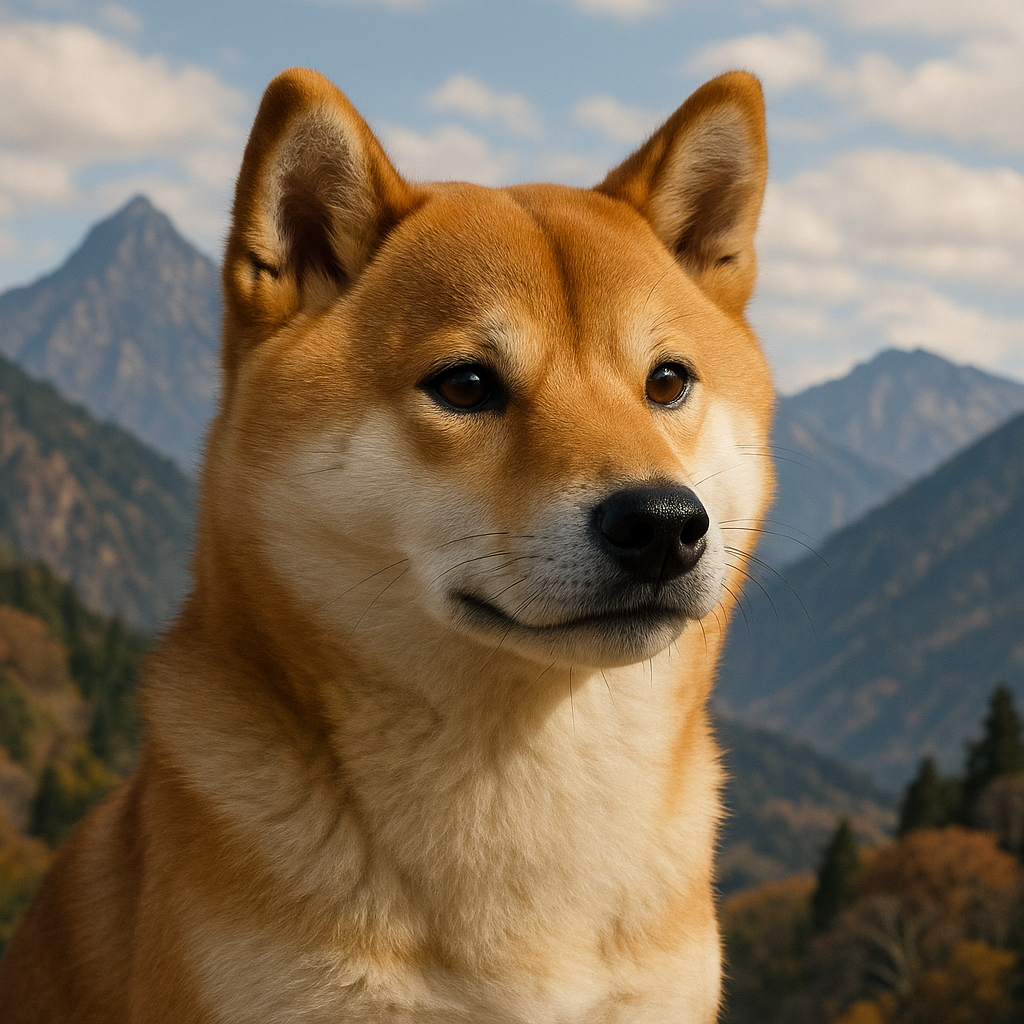
One might think it is a cold dog, but the Shiba Inu actually carries a certain elegance in its interactions. Its restrained gait, proudly held head, and alert ears betray an almost sovereign self-confidence. It observes its environment with curiosity, ready to act at will, without neglecting a knowing look when it deems its human deserves its attention.
The Challenges of Autonomy
In truth, this sense of independence can be disconcerting. Like a cat, the Shiba will sometimes prefer to take a step back by refusing a cuddle. To establish a harmonious relationship, it is better to capitalize on positive reinforcement: treats, praise, and motivating games. Otherwise, one risks encountering stubborn behaviors, such as improvised escapes as soon as an interesting scent distracts it.
Caring for a Shiba Inu
Balanced Diet
A quality protein intake is essential for this born athlete. Lean meat, omega-3 rich fish, fibrous vegetables: compose a ration adapted to its age and activity level. Premium kibble, balanced in vitamins and minerals, often remains the most practical choice. Pro tip: split the daily portion into two meals to better regulate digestion.
Exercise and Mental Stimulation
If you entrust a Shiba to a sedentary daily routine, expect to see destructive urges flourish within you. These little hunters require at least 45 minutes of exercise each day: dynamic walks, interactive play sessions, or agility courses. Additionally, treat-dispensing toys or canine puzzles stimulate their intelligence, preventing boredom and destructive habits.
Care and Grooming
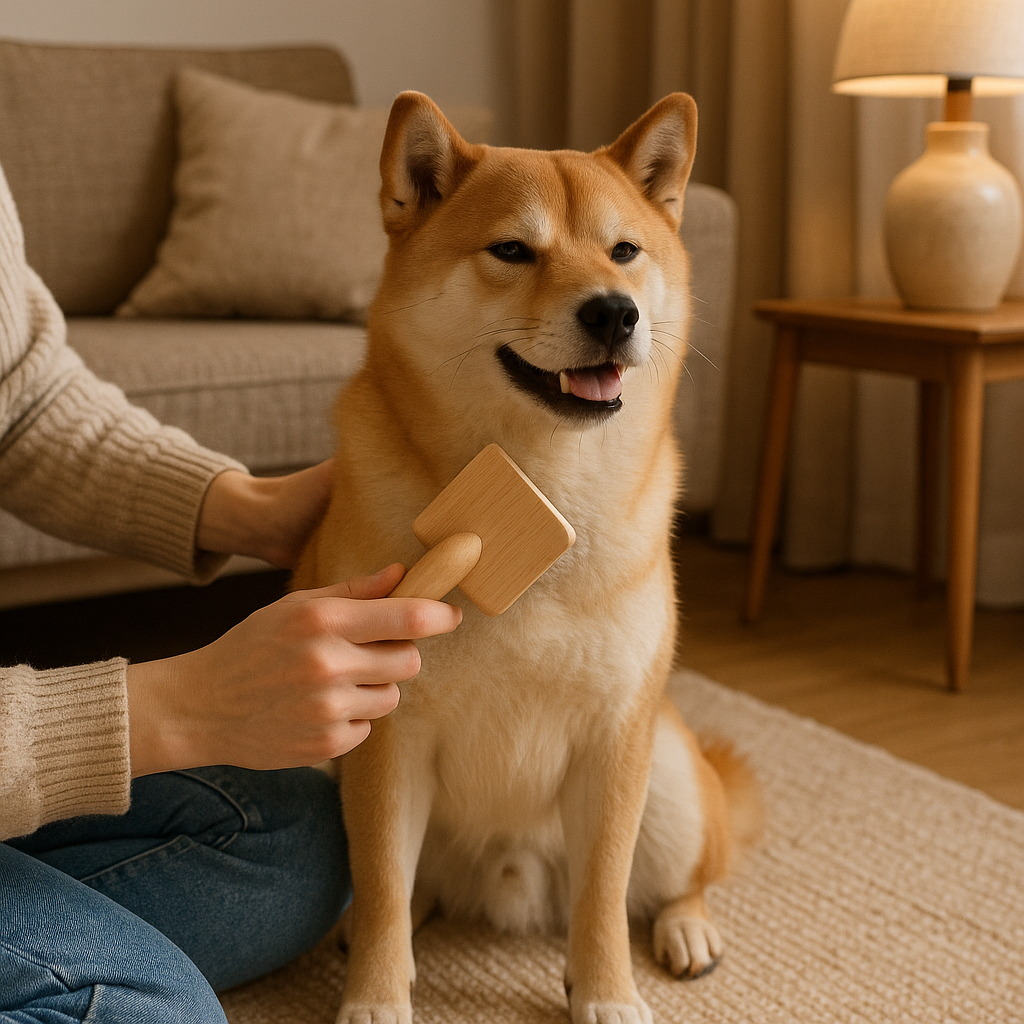
Its double coat is a marvel of nature, but also a maintenance challenge. During shedding periods, daily brushing removes dead hairs and thick undercoat. The rest of the year, two weekly sessions are enough to maintain shine and cleanliness. Don’t forget to regularly check the ears, trim the nails, and gently clean the teeth to prevent tartar and inflammation.
Health: Points of Vigilance
- Patellar Luxation: knee instability, common in light breeds.
- Hip Dysplasia: rare, but to watch for if the dog limps after exercise.
- Eye Problems: possible dry keratoconjunctivitis or glaucoma, regular veterinary check-ups recommended.
- Skin Allergies: excessive scratching, dandruff, to identify in order to adapt diet and care.
Comparison of Japanese Spitz Breeds
| Breed | Size | Weight | Temperament |
|---|---|---|---|
| Shiba Inu | 33–43 cm | 8–10 kg | Independent, alert |
| Akita Inu | 60–70 cm | 30–45 kg | Protective, calm |
| Kishu Ken | 48–58 cm | 18–25 kg | Hunter, loyal |
Popularity and Cultural Presence
Internet Icon and Memes
The face of the Shiba Inu, both expressive and comical, gave rise to the famous Doge meme. This image full of sarcasm and bright colors propelled the breed onto social networks: emojis, gifs, looping videos… the Little Japanese Dog now floats through all news feeds, becoming a global pop culture reference.
In Daily Japanese Life
In Japan, you encounter the Shiba Inu in parks, at café terraces, and even in souvenir shop windows. Its image adorns mugs, plush toys, and keychains: a symbol of loyalty and tradition, often associated with Shinto shrines and artistic prints.
Ideal Environment for a Shiba Inu
This spitz adapts both to apartment living and houses, provided it is offered a secure space to expend energy. A balcony without risk of jumping, a fenced garden, or nearby parks are essential. The important thing remains the regularity of outings and the quality of interactions: human company, shared games, and varied walks.
FAQ
- Does the Shiba Inu bark a lot?
- As a general rule, it is rather quiet. However, it can emit high-pitched cries, called “Shiba scream,” when it is excited or upset.
- At what age does it reach maturity?
- Physical maturity is reached around 12–18 months, but its temperament often refines until about 2 years old.
- Is it easy to train?
- Its independent nature requires patience and gentle methods. Positive reinforcement and consistency strengthen learning.
- What is its life expectancy?
- The Shiba Inu generally lives between 12 and 15 years, or even longer, if its lifestyle is well maintained.