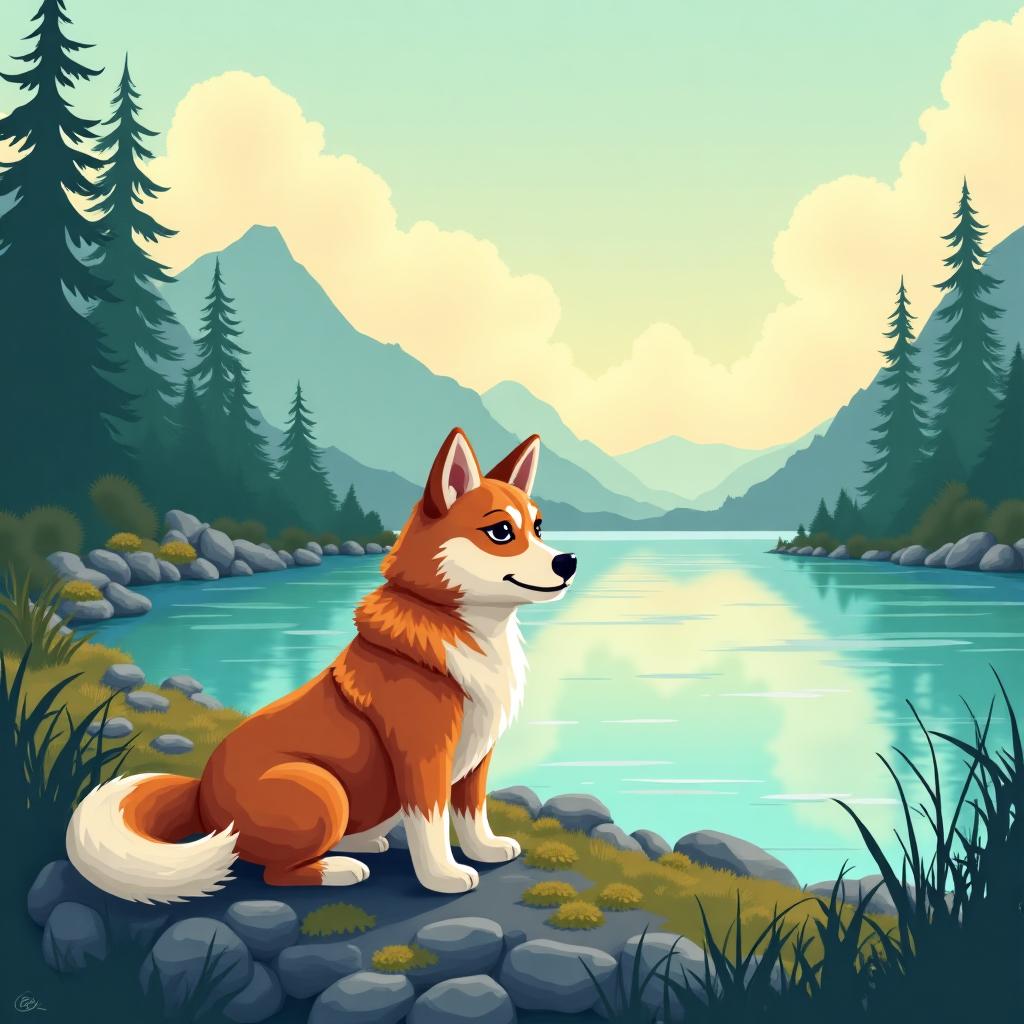
The Swedish Vallhund, often nicknamed the “Swedish corgi,” embodies the fierce spirit of the Vikings in a miniature form. Robust, alert, and sometimes with a docked tail, this dog is a true concentrate of Nordic energy. Between rural legends and modern enthusiasm, it charms with its versatile character and stocky physique. Let’s dive into the world of this little dog with a big heart.
In brief
🛡️ Viking origins: distant Nordic ancestors, found in medieval frescoes, whose role as a herding dog has been attested since the 6th century.
🐾 Dynamic character: tireless in activities, intelligent and always ready to push itself, it considers each day as a new expedition.
⚖️ Moderate maintenance: biweekly brushing is enough, while its exercise needs require at least 1 hour daily of active walking or play.
Origins and history: a little Viking on four paws
Nordic roots and legends
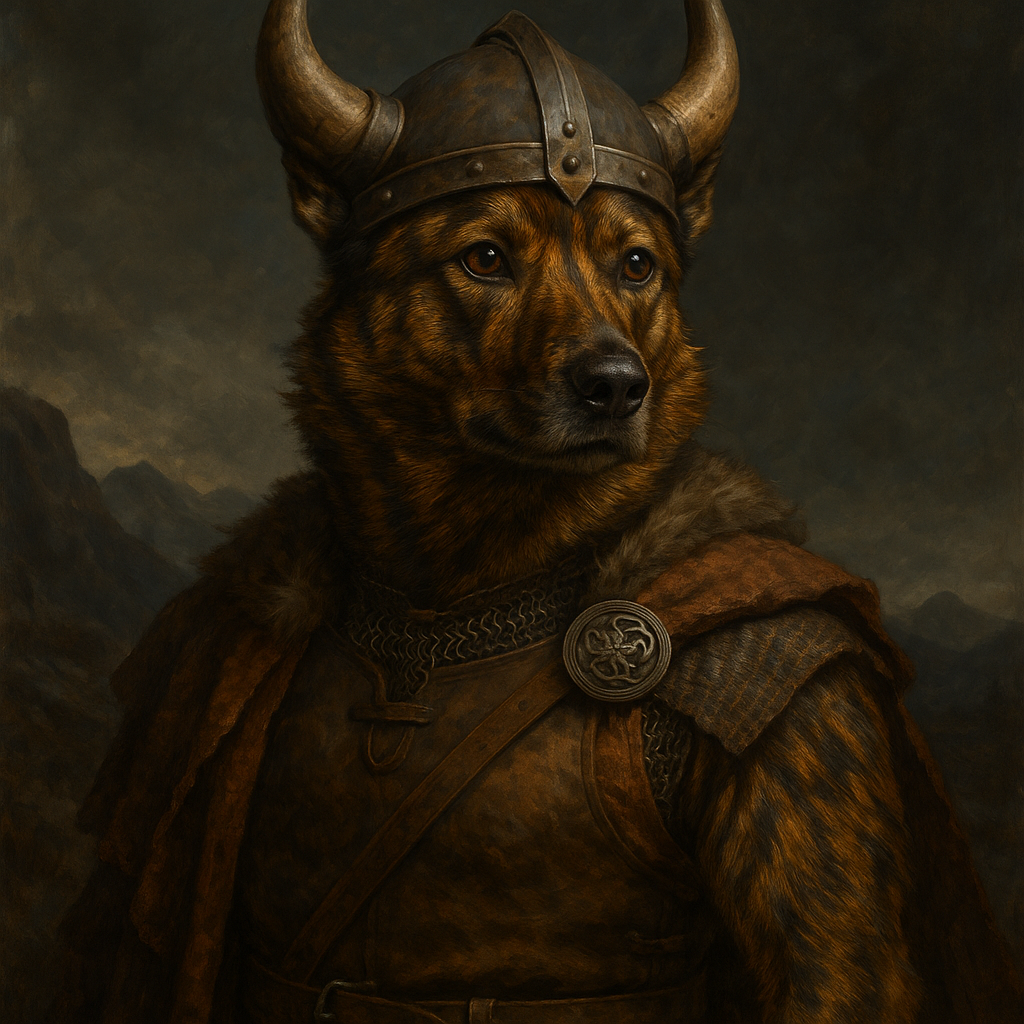
One might think that such a compact dog has never trod the northern snows, yet the Swedish Vallhund descends directly from Swedish farm dogs present since the Viking era. Like the longships that sailed the Baltic, these canines escorted livestock and villagers, hunting small pests and guarding barns and stables. Local chronicles mention “valhundar,” literally “herding dogs,” often depicted in engravings and tapestries of the time.
Evolution through the centuries
The decline of the Vikings did not mean the forgetting of their faithful companion: over the centuries, breeders adapted it to farms, favoring a smaller size to move between buildings. Modern breeding methods, appearing in the 19th century, refined its standard: height around 30 cm at the withers, weight between 10 and 14 kg. This small robust dog has nevertheless kept its incredible musculature and endurance.
| Characteristic | Standard |
|---|---|
| Height at withers | 28–33 cm |
| Weight | 10–14 kg |
| Life expectancy | 12–15 years |
| Coat | Fawn, brindle, red |
Character and abilities: between dynamism and loyalty
An indefatigable companion
The Swedish Vallhund knows no restraint: whether it’s a game of frisbee, a hike in the forest, or an introduction to agility, it always gives its all. This enthusiasm is explained by its shepherd heritage — it patrolled around the livestock, anticipating every movement. With it, boredom becomes a distant memory: its mind and body must be constantly stimulated.
Intelligence and Training
Behind its mischievous look lies a remarkable learning ability. Training sessions, conducted with consistency and patience, reveal a serious dog, sometimes playful, but always eager to please. By incorporating puzzle games, you can channel its energy while strengthening the owner-dog bond. Reward-based methods, relying on treats and praise, often yield better results than an authoritarian approach.
- Reliable recall thanks to strong motivation
- Quick learning of basic commands and tricks
- Keen sense of territory, alertness without aggression
- Excellent sociability with children and other animals
Care and Well-being: Keeping a Little Viking Fit
Exercise and Mental Stimulation
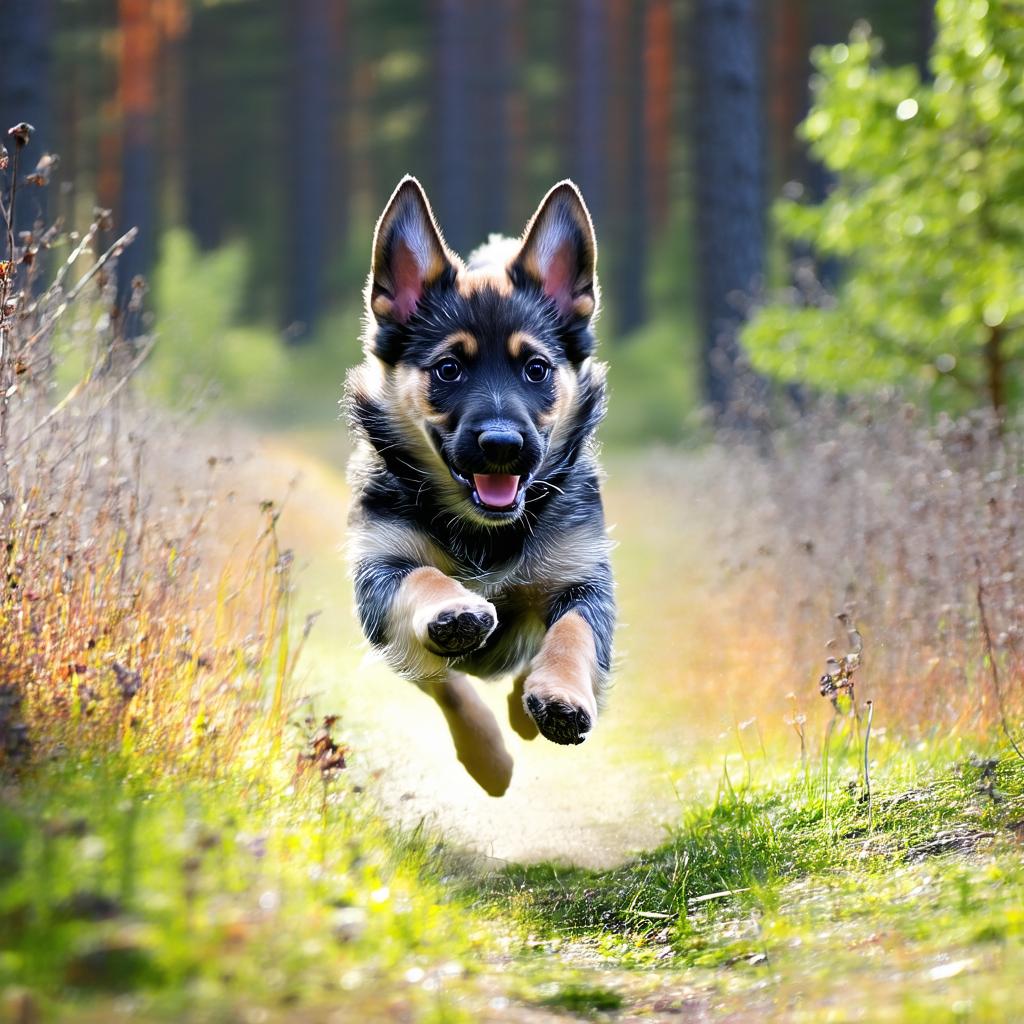
For its morale and health, plan at least 60 minutes of activity each day, ideally split into two outings. Alternate brisk walks, interactive play sessions (puzzles, treat hunts), and canine sports. This prevents anxiety related to boredom and preserves its joints, stressed by its tasks as a herding dog adapted to rough terrain.
Feeding and Grooming
Its sturdy build requires a balanced diet, rich in quality proteins, to support its musculature. Small, divided meals limit the risk of bloating. For the coat, a twice-weekly brushing is enough to remove dead hair and dirt. During shedding periods, a light brushing on each side of the chest or thighs helps maintain a shiny and healthy coat.
Why Adopt a Swedish Vallhund?
Beyond its unique appearance and picturesque history, the Swedish corgi adapts to family life while preserving its Nordic warrior energy. It excels both in rural and urban environments, provided it has space to run off steam. Loyal and sociable, it forms deep bonds and proves to be a steadfast ally for walkers, athletes, and lovers of Viking legends.
FAQ
What is the difference between a Vallhund and a Welsh Corgi?
The two breeds resemble each other in size and low silhouette, but the Swedish Vallhund has a more developed chest and a more active temperament stemming from its role as a herding dog. Its coat is generally brindle, while the Welsh Corgi often displays distinct tricolor shades.
Does the Vallhund tolerate the cold?
Absolutely: its compact double coat effectively protects it from low temperatures. However, in extreme cold, a suitable coat and limited walks are recommended to avoid frostbite.
Is it easy to train for a novice?
Yes, thanks to its intelligence and desire to please. Beginners simply need to adopt a consistent and positive method, avoiding excessive punishments that could alienate it.