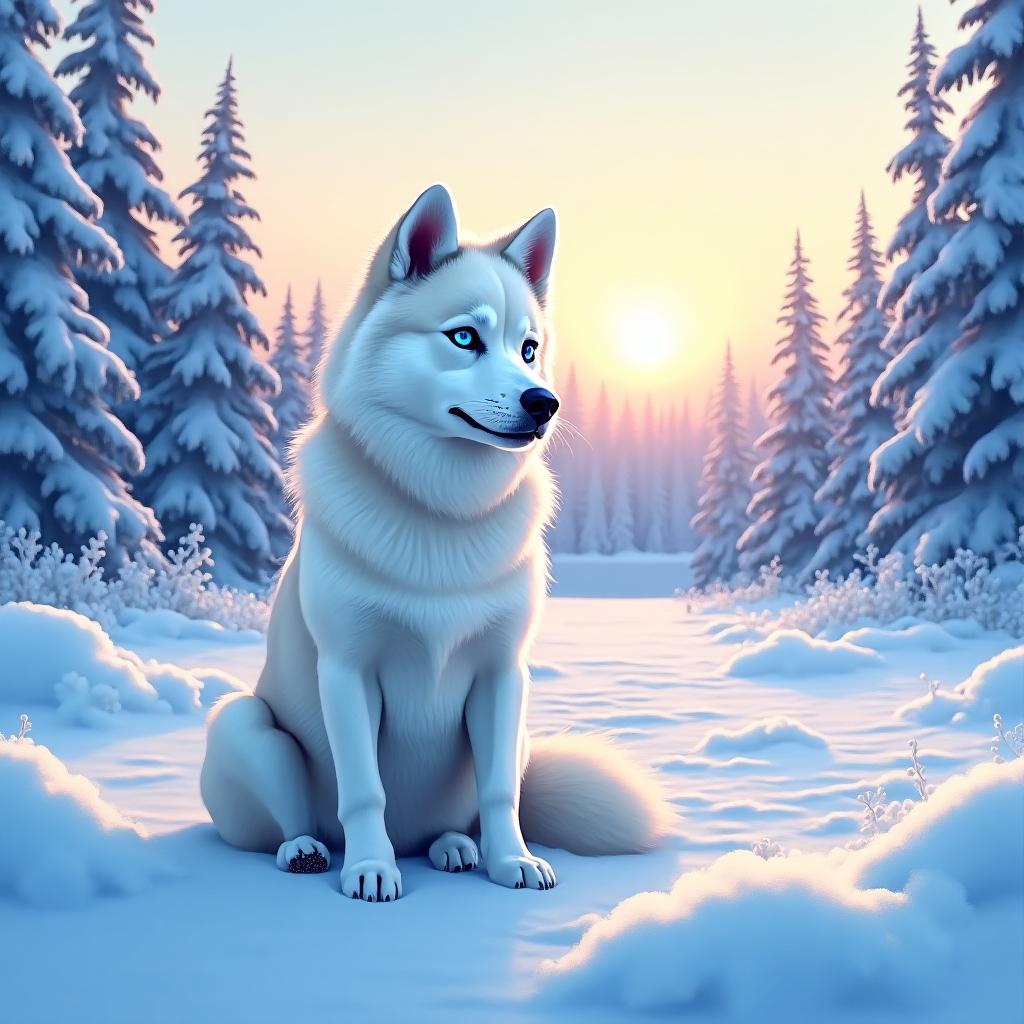
The Yakutian Laika, a true treasure of eastern Siberia, has won the hearts of adventurers and enthusiasts of northern dogs thanks to its astonishing versatility. Bred for hunting, sled pulling, and even guarding, this rustic companion proves to be as athletic as it is loyal. Let’s dive into the world of this Siberian Laika, where endurance and canine expertise intertwine in icy landscapes.
❄️ Ancient origin: Breed originating from the polar circle, used for millennia by the Yakut people for hunting and transport.
💪 Robust morphology: Medium to large size, solid bone structure, dense double coat resistant to -50 °C, and slender legs for good traction.
🧠 Versatile temperament: Curious, independent but attached to its family, it excels both in front of a sled and in agility courses.
⚙️ Targeted maintenance: Regular brushing, intense daily exercise, and vigilance regarding joints and dental health.
Origins and lineage
In the heart of Siberia, where winter stretches endlessly, the Yakuts selected dogs capable of hunting moose, pulling loads, and keeping company in frozen yurts. The Yakutian Laika comes in several types, each adapted to a specific task: small game hunter, sled runner, or herding dog. This diversity recalls the functional richness found in other northern breeds, like its close cousin the Greenland Dog, while displaying a more refined appearance.
Physical characteristics
General appearance
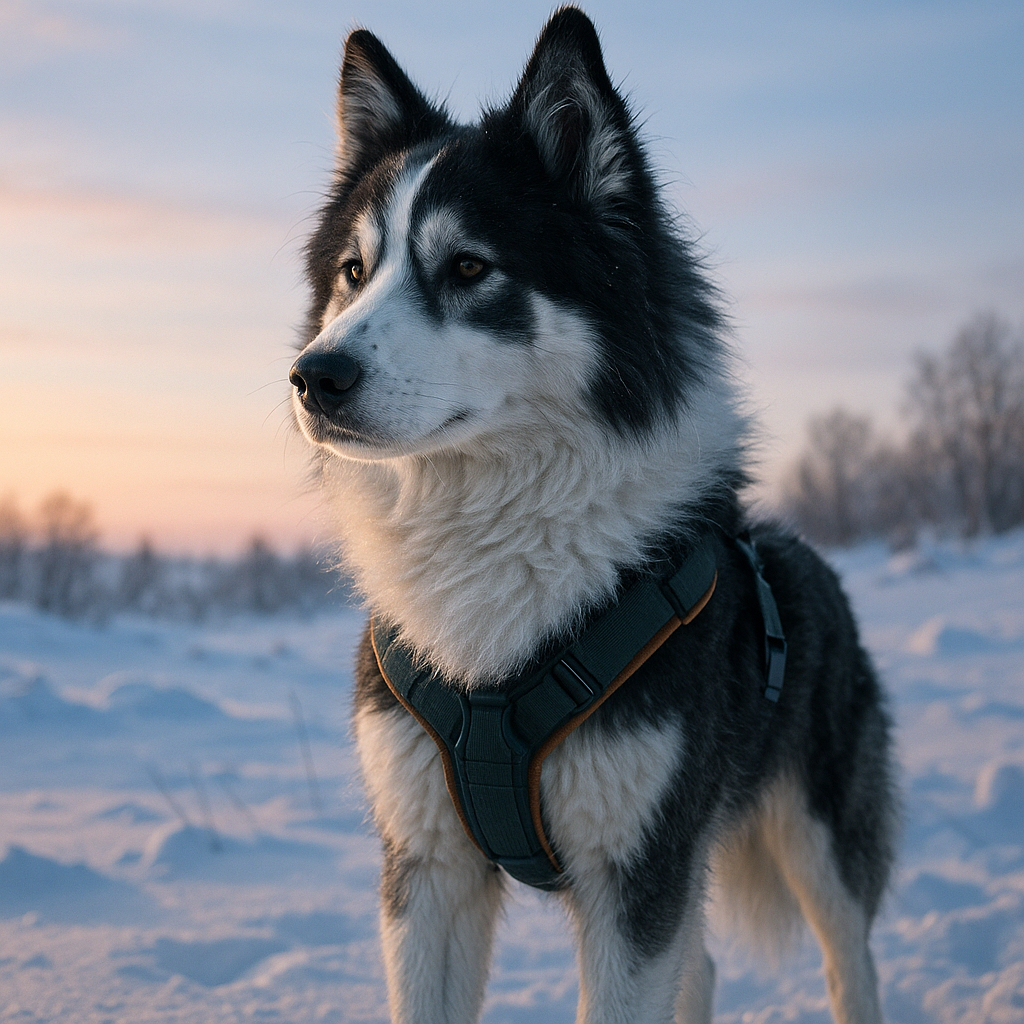
The Yakutian Laika is distinguished by a balanced silhouette: straight back, fairly broad chest, and well-attached loin. Its wedge-shaped head, with erect ears and almond-shaped eyes, conveys a vigilant expression. The dense, waterproof double coat comes in more than twenty colors – from snow white to intense black, including brindle red. Each variant remains less standardized than in other breeds, reflecting its deep roots in nature.
Sizes and proportions
| Type | Height at withers | Average weight |
|---|---|---|
| Female | 50–56 cm | 18–23 kg |
| Male | 54–60 cm | 20–27 kg |
Variations remain limited to maintain optimal efficiency in extreme cold. Compared to the recently described Yakutian Laika, this dog retains a lighter bone structure, facilitating fast and enduring movements.
Temperament and skills
One might think its coat indicates an extreme “coldness” in character, but this is not the case: the Yakutian Laika combines independence with great sociability. It enjoys both the solitude of the sled team and family play sessions. Its exploratory nature drives it to forage and mark its territory, hence the need for a consistent framework from the moment it arrives at home.
Sled Dog
As a runner or lead dog, this Laika possesses an innate sense of direction and remarkable endurance. It can maintain a steady pace over long distances, even on rough terrain. Its keen nose allows it to detect dangers beneath the snow, a valuable asset when venturing onto less marked trails.
Hunting and Tracking
Local hunters appreciate its ability to track hares and foxes while respecting the prey – it excels in net hunting thanks to remarkable stealth. Its playfulness makes tracking sessions stimulating activities where intelligence and responsiveness are put to the test.
Training and Recommended Activities
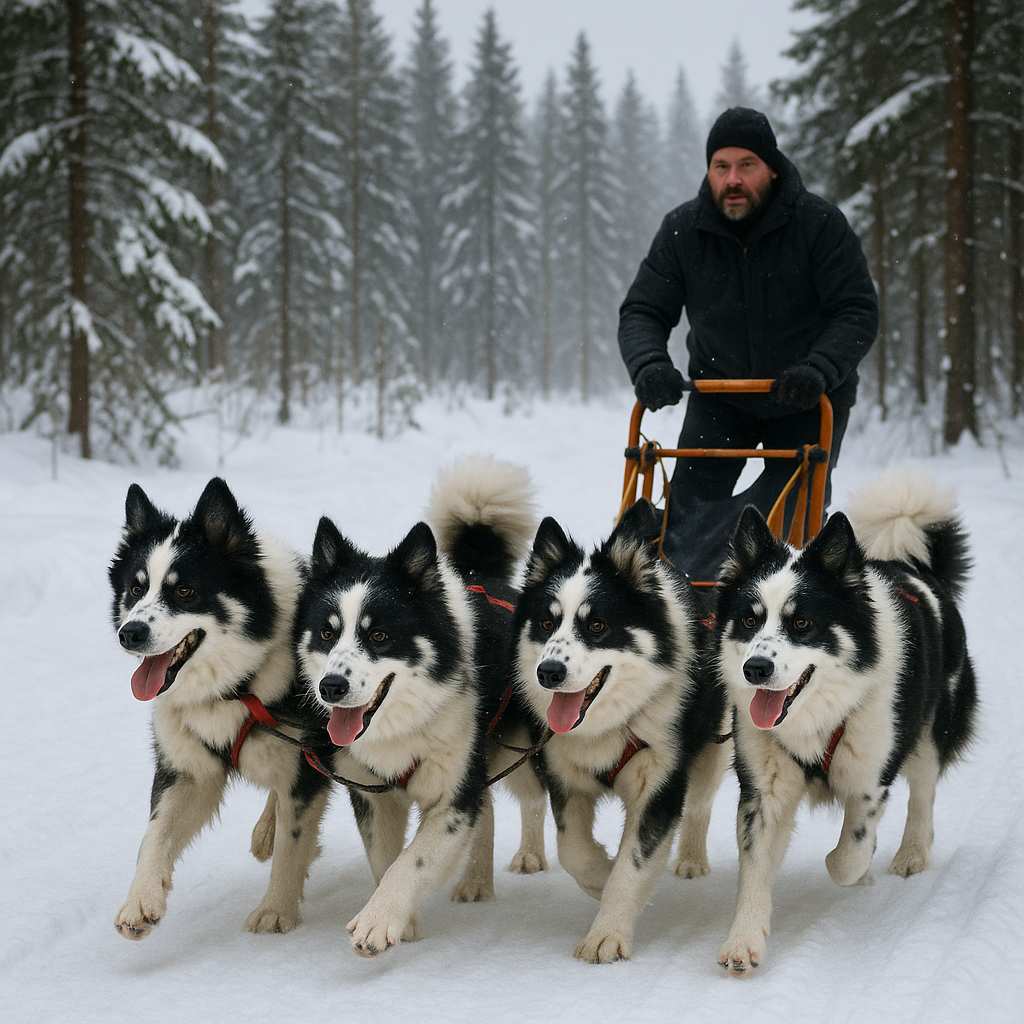
The energy of the Yakutian Laika is not easily channeled: daily outings of at least 1 hour 30 minutes are necessary, ideal for sled training or canicross. Adding mental stimulation exercises, such as agility courses or playful tracking sessions, strengthens the bond and prevents boredom.
- Canicross and bikejoring to work on speed
- Agility courses for coordination
- Olfactory enrichment games to stimulate the sense of smell
- Winter sled hikes for endurance
Health and Care
Generally hardy, this Laika can live 12 to 15 years if given a suitable diet and regular veterinary care. Points of caution are the hips and elbows, areas exposed during high-speed runs. Weekly brushing, increased during shedding, is sufficient to maintain the coat without weakening it.
Practical note: to prevent joint disorders, consider adding omega-3 to its diet and providing anti-fatigue mats during rest.
How to Choose and Welcome a Yakutian Laika
Before any adoption, define the role you envision for your companion: extreme sport, sledding, or simple walks. Prefer a recognized breeder or a specialized shelter, able to inform you about the lineage and behavior of the parents. It is also advisable to meet the puppy several times to ensure its temperament and sociability.
FAQ
- Does the Yakutian Laika tolerate temperate climates?
- Yes, provided it is gradually accustomed and given appropriate bedding when temperatures rise.
- Is it difficult to train?
- It can be stubborn but responds very well to positive reinforcement and healthy rewards.
- How compatible is it with other animals?
- With early socialization, it tolerates dogs and cats; however, its hunting instinct may take over with small rodents.